

[Dialogue / Guancha (Observer Network) | Zheng Lehuan]
Original interview in Chinese on Guancha.cn
尼尔:大多数美国人都在“斩杀线”上,不敢掉下去,更无法向上突破
Guancha: The idea of America’s “Kill Line” has gone viral. As an overseas Chinese who has lived in North America for a long time, can you talk about what you’ve seen and what you feel?
Neil: The global economy is bad. The reason the “Kill Line” matters is that a lot of people are already living on it. The Kill Line is that invisible threshold where you cannot absorb any shock anymore. One sick day. One car accident. One emergency bill. And your life starts collapsing in a chain reaction of debt.
A lot of Americans, and even Canadians, are living like this. Canada has problems with healthcare wait times, but you still get treated. In the U.S., the core problem is brutal privatization, combined with a culture that blames the individual for everything. People are trained to believe that if they’re not doing well, it’s their fault. But for many people, the truth is uglier: they’re being squeezed and trapped right on the Kill Line, with no way up. Social mobility has become brutally weak.
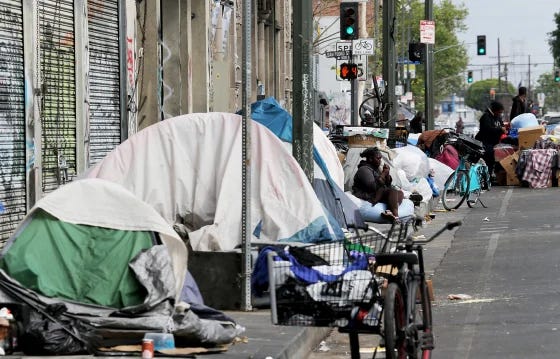
People used to say America was great. Work hard, buy a home, build a life, enter the middle class. That story is dying. Now most people are pinned to the same line, unable to climb. Their income is just enough to feed debt.
The U.S. has also been a consumerist society for a long time. Overconsumption is everywhere: cars, housing, even phones. Apple started pushing interest-free installment plans around the iPhone 12 or 13. It looks convenient, but it also normalizes living on payments. A lot of people’s paychecks barely cover bills. So the moment something happens, including today’s high unemployment, losing a job can mean the end.
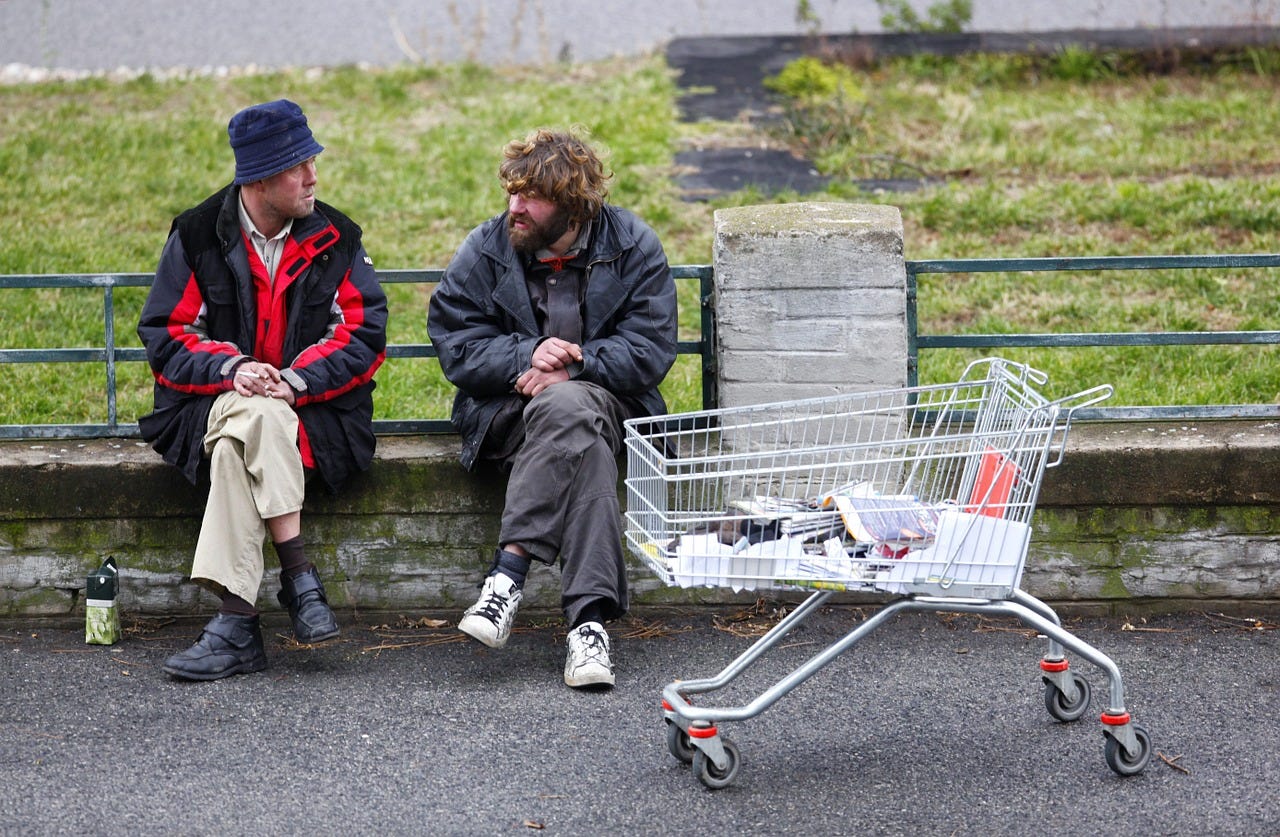
Once you fall below the Kill Line, you run into a brutal rule of capitalism: when you’ve been exploited to the point where there is no surplus value left to extract, the system no longer needs you.
Take drug addiction. Some people spiral and end up on the street. In China, families or the government may forcibly intervene. There are compulsory rehab systems, and there is heavy enforcement against drug dealers. The goal is to pull people back into society and make them functional again.
In the U.S., and even in Canada, the approach leans toward buffering and containment. Harm reduction. Free “soft drugs.” Keep people alive, but not necessarily rebuild them. From the perspective of capital, using taxpayer money to fully reintegrate people is treated like a high-risk investment, with a low success rate. Many relapse.
So in the underlying logic of some politicians, the thinking becomes: why waste resources? Let them rot. Saving them is seen as pointless. And because these people no longer generate value for capital, they are treated as disposable. Once someone becomes homeless, their expected lifespan is already limited. This is rarely said out loud, but it is baked into how policy is made.
That is why governments avoid real systemic solutions that would actually pull people back. That is why once someone crosses the Kill Line, so many never return.
Even for someone who was middle class, becoming homeless is not just “sleep outside and get free food.” The street is brutal. The environment pulls you down. Drugs. Violence. Survival mode. You don’t climb back, you sink. That is one of the darkest realities in the U.S. and Canada. But it is real.
Guancha: The “Kill Line” has triggered intense discussion about the dark side of American capitalism. You mentioned differences between Canada and the U.S. Both are capitalist systems. Why is the Kill Line problem worse in the U.S.?
Neil: Canada is still capitalist, but it sits closer to a democratic socialist model. A larger share of taxes actually goes into public services, especially healthcare. In Canada, healthcare is basically free. If you’re a citizen or have a work permit, you can get treated without being financially destroyed. Some medications are out of pocket, but prices are lower with government involvement. If you work and pay taxes, basic life is more protected.
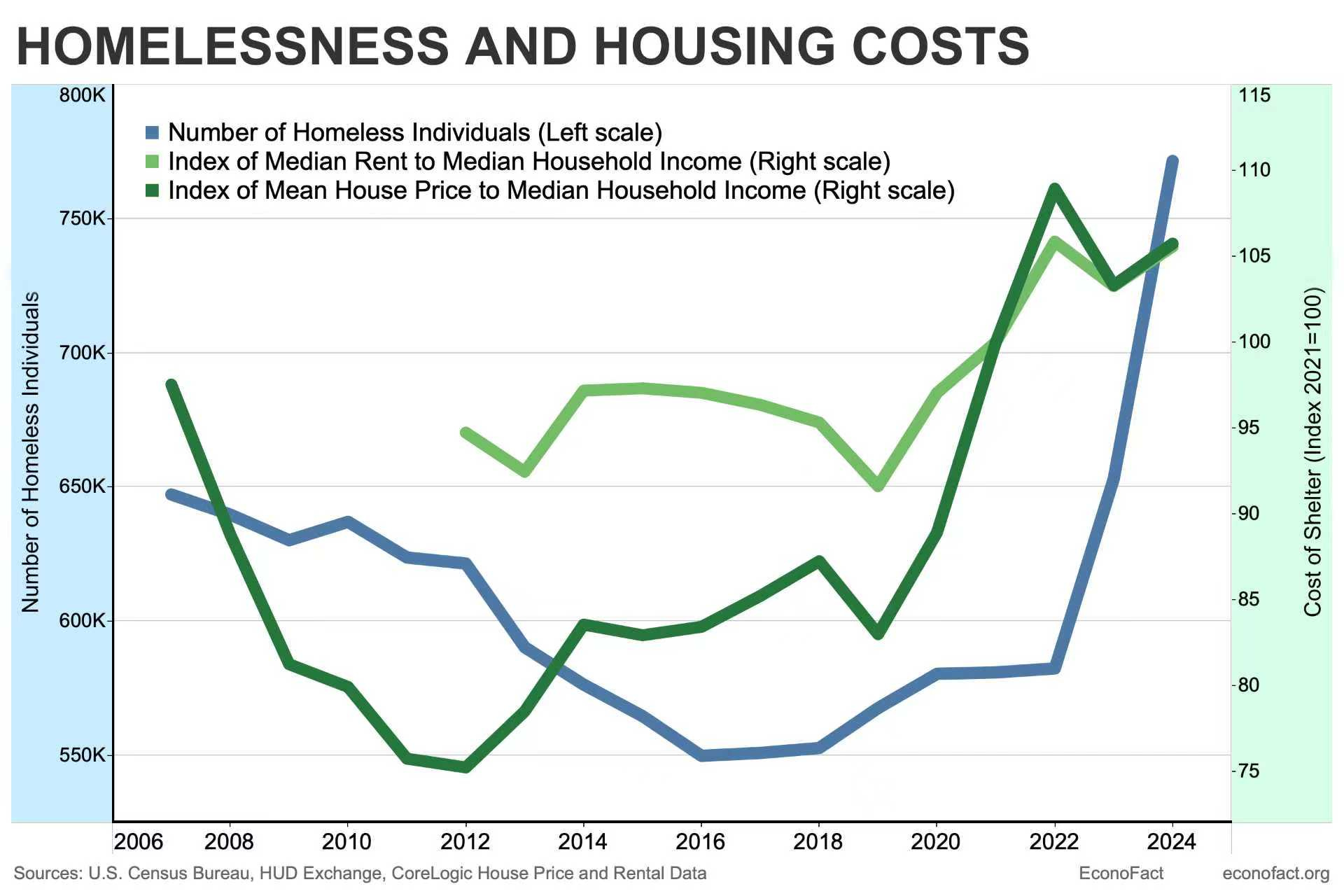
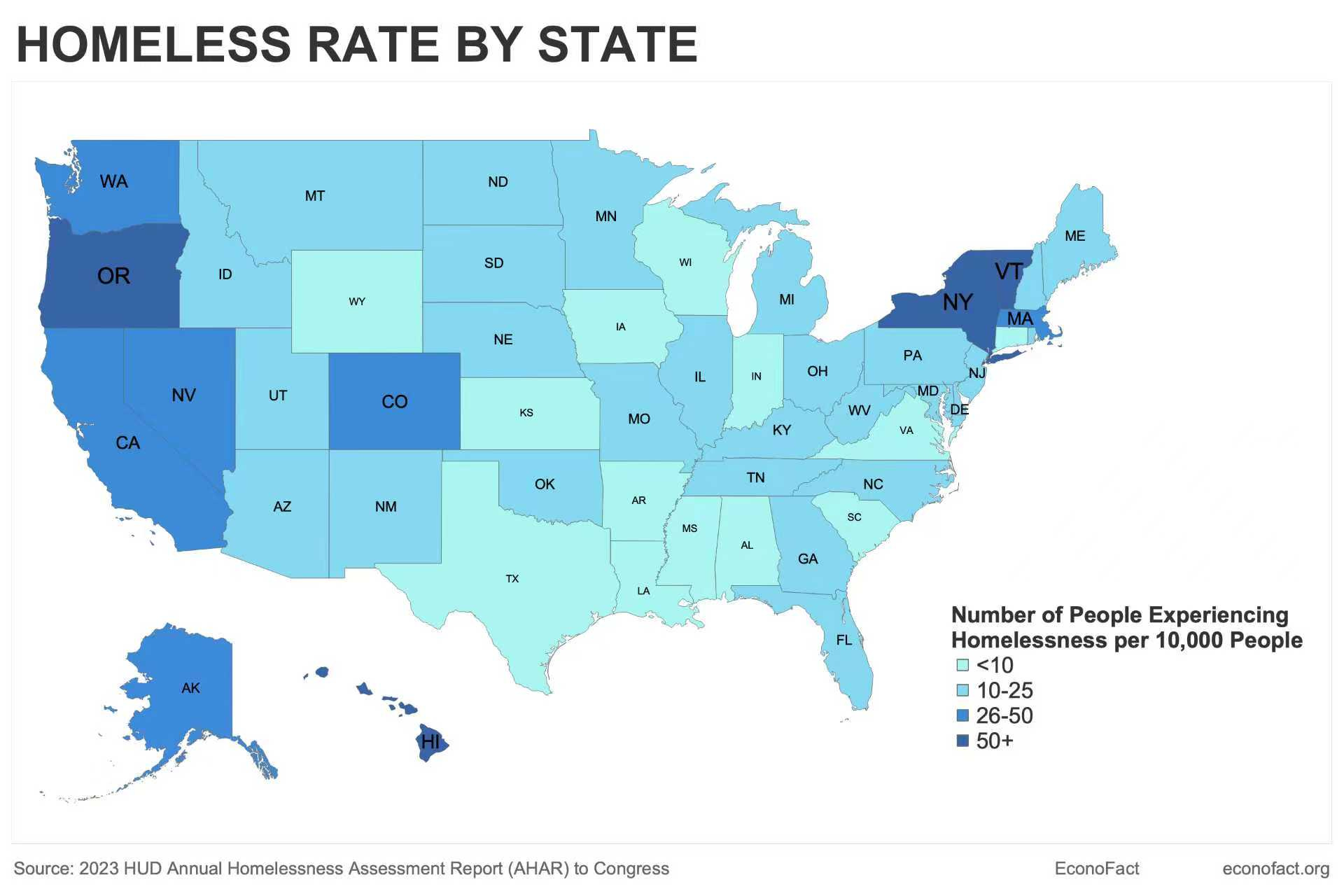
Canada’s major issue right now is that it doesn’t fight drugs and related social problems as hard as China. Other than that, I don’t have major objections to Canada’s overall system. The U.S. is different. Healthcare, infrastructure, housing, all of it is aggressively privatized.
Privatization means profit comes first. In healthcare, when Obamacare was first rolled out, an individual premium might have been around 300 dollars a month. Now it’s over 700. For a family of four, it can easily be 3,000 dollars a month or more. If someone in the family loses a job or there’s an accident, they may not be able to keep paying. And once you stop paying, insurers find ways to raise barriers and squeeze you even harder. It becomes a brutal extraction cycle.
That’s why it can feel like Americans spend their whole lives working for banks and the healthcare system. Many Chinese people, including overseas Chinese, don’t fully understand this because some will just fly back to China for treatment. In Canada you can wait. In the U.S., without insurance, you’re basically finished.
Guancha: You mentioned “fault tolerance” in the system. Can you expand on that?
Neil: In China, if you hit a debt crisis or life crisis, there are usually paths back. You can still access food, healthcare, and housing with some dignity. You don’t automatically end up on the street. Even in extreme cases, like losing parents, no ability to work, and no children to support you, there are safety nets like the “Five Guarantees” system.
In the U.S., the fallback is the street. People talk about shelters, but the reality is brutal. Many shelters are unsafe and chaotic. They’re full of people with serious mental health issues and sometimes violent behavior. Many homeless women would rather sleep outside than enter shelters because the shelters can be worse.
This proves the point again: in a capitalist society, once you lose surplus value and you are no longer useful for extraction, the system stops treating you as someone worth saving. In China, regardless of how perfectly it is implemented, the official goal is still to make people useful to society again. Even if some parts are propaganda, the government still uses real measures to push capable people back toward work and stability. That reflects a deep cultural and institutional difference.
Guancha: The person who popularized the Kill Line concept, “Squid King,” shared a story from Seattle on a cold rainy Halloween. Kids came for candy but stared hungrily at his hamburger, so he fed them and ordered dozens more for kids and delivery drivers. These weren’t homeless kids, just neighborhood kids who couldn’t afford food. Viewers felt heartbroken and confused. How do you see this?
Neil: A lot of people don’t understand the U.S. Let me give a brutal fact.
In America, a lot of kids don’t eat on weekends. They eat at school, and when school closes, the food disappears. That’s why some politicians have been pushing hard for free school meals, because many kids go home Friday and spend two days eating chips, cereal, processed trash, or nothing.
So kids asking for food is not shocking here. But for Chinese people, it’s hard to imagine. Many of us grew up with the belief that children are the future. Anyone can go hungry, but not children. In the U.S., schools don’t have money, families don’t have money, and kids depend on school lunch to survive.
Many overseas Chinese don’t know this because they don’t interact with those policies, and many families who go abroad are not poor to begin with. But many native-born Americans, especially poor Americans, have lived this reality for years.
And the brutal part is this: the U.S. has the money. It’s just hoarded at the top. Enormous wealth is concentrated in the hands of a tiny group. People like Elon Musk sit on staggering fortunes. But that money doesn’t flow downward. It gets used to buy influence and control politics.
That’s why the U.S. looks like late-stage capitalism. Eventually, the system will use big data and AI to manage the bottom 80 percent in a controlled misery: alive, but constantly squeezed. Not allowed to die, but never allowed to escape. Value flows upward forever.
Guancha: When you explain the Kill Line concept to foreign audiences on social media, what do they say?
Neil: Most people never heard the term. But once I explain it, most admit they’re living on it. A small number say they’re safe because they are extremely frugal. But most people with families say they cannot afford a single mistake. One shock and they can’t pay rent or the mortgage.
If you miss a rent or mortgage, your credit gets damaged. After that, getting loans becomes harder. Then you can’t buy a car, can’t function normally, and you fall into a brutal cycle. I also know people with assets who say more tenants are falling behind. Rent used to be on time. Now it’s delayed or missing. If people can’t even pay rent, they’re already near the edge.
More stories you might missed,


