

What Just Happened
The crisis between the United States and Venezuela escalated sharply this week.
On Tuesday, the Trump administration ordered what it openly called a “total and complete blockade” of sanctioned oil tankers entering or leaving Venezuela. Washington claims the operation targets a “ghost fleet” evading sanctions and funding criminal activity.
Within 24 hours, Venezuela requested an emergency meeting of the United Nations Security Council, accusing the U.S. of ongoing aggression. Venezuelan naval forces have since begun escorting oil tankers, raising the risk of direct military confrontation at sea.
This is no longer a routine sanctions story. A blockade is physical interdiction backed by military force. Once navies are placed on shipping lanes, escalation becomes structural, not accidental.
The Messaging: Drugs as “WMD”
The justification matters.
This week, Trump escalated his rhetoric by formally labeling illicit drugs, including fentanyl and related precursors, as a “weapon of mass destruction.” That phrase is not casual language. It is war language.
This is the same script used for decades. Once something is framed as a WMD, urgency replaces scrutiny. Fear replaces questions. A lot of Americans fall for it again because the framing feels protective and moral.
But drugs do not require naval blockades. Oil revenue does.
Calling drugs a WMD creates political permission. It lowers resistance to military escalation and shifts attention away from the real objective, cutting off Venezuela’s primary source of income.
Oil and Old Grievances
The administration has also revived historical grievances to justify the pressure.
Trump referenced Venezuela’s 2007 nationalization of Orinoco Belt oil projects, where U.S. companies such as ExxonMobil and ConocoPhillips lost stakes and later won arbitration awards worth billions, much of it still unpaid.
Those disputes are real. But notice how they are used. Corporate losses become moral cover for state power. The question is never whether corporations should bear their own risks. The question becomes how far the state should go to enforce them.
International Response: UN and China Step In
Venezuela’s move to bring the issue to the UN Security Council signals that Caracas views the blockade as a threat to sovereignty, not a law enforcement action.
On the same day, China’s Foreign Minister Wang Yi spoke by phone with Venezuelan Foreign Minister Yván Gil. According to China’s foreign ministry, Wang reaffirmed China’s opposition to unilateral coercive actions and expressed support for Venezuela’s right to defend its sovereignty and pursue independent cooperation with other countries.
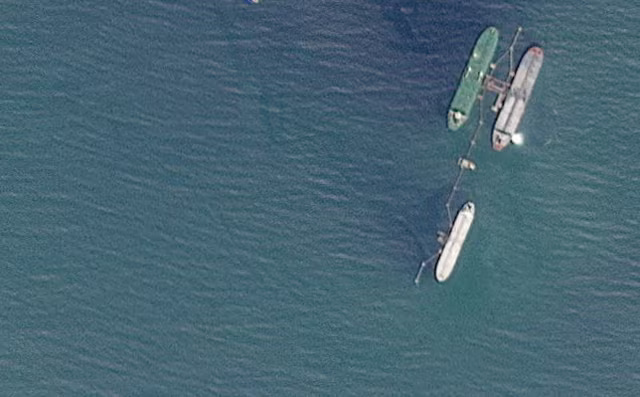
China did not announce any military involvement. But the call matters. It shows the crisis is no longer isolated. Major powers are now formally positioning themselves, turning a bilateral confrontation into a broader international issue.
The Working-Class Reality
Here is the part most coverage avoids.
If this escalates, executives will not fight. Donors will not fight. Politicians will not fight. Working-class kids will.
Trump may be signing the orders, but this is not a Trump-only system. Democrats and Republicans alike have normalized sanctions, blockades, and military pressure as tools of policy. The rhetoric changes. The outcome does not.
Oil and power are protected at the top.
Risk and blood are drawn from the bottom.
The UN Security Council meeting is expected early next week. Whether it produces action or not, the trajectory is clear. Washington is tightening the noose, Caracas is militarizing its response, and the people being prepared for sacrifice are working-class lives.
Here are some other stories,


