

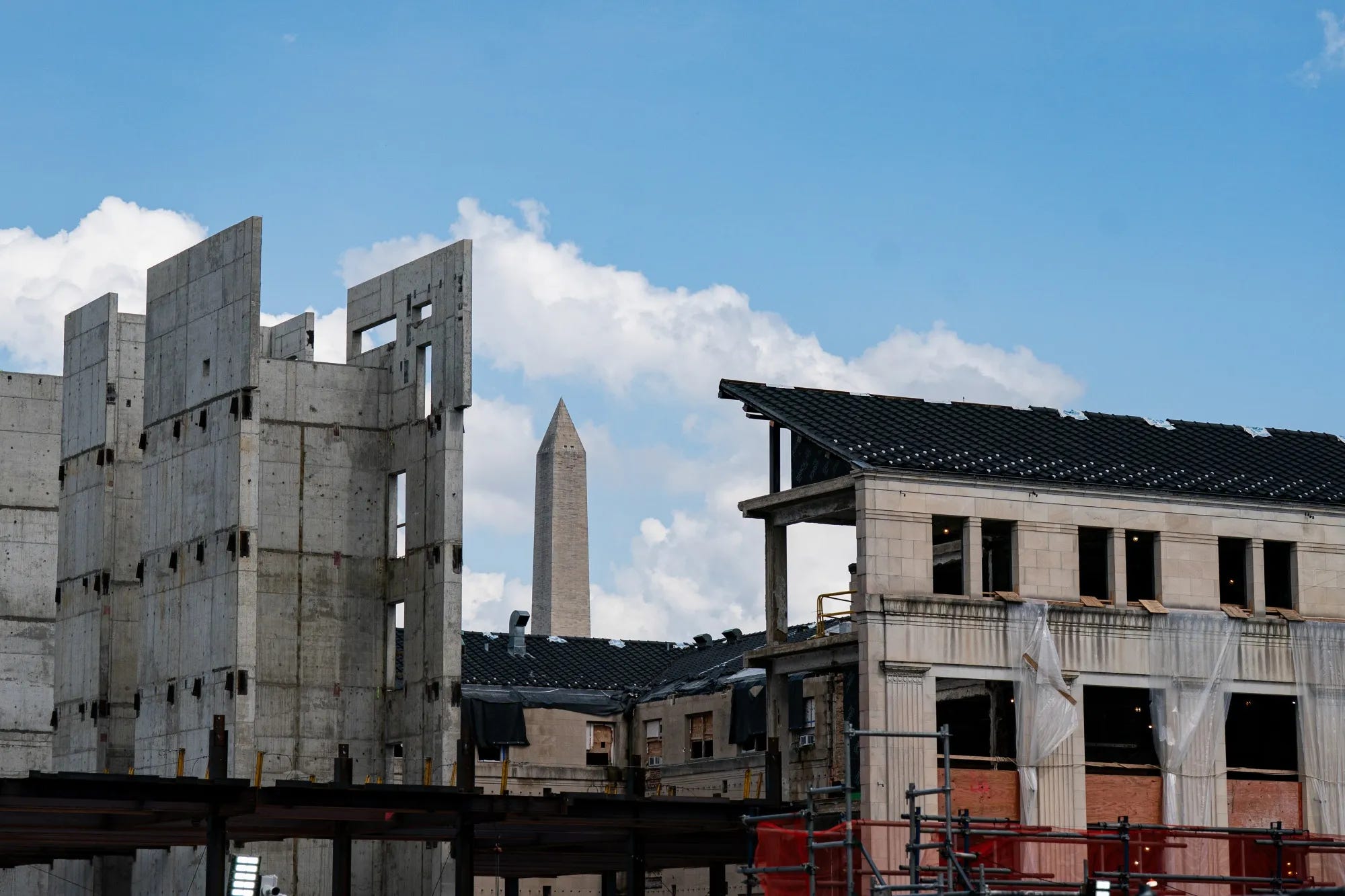
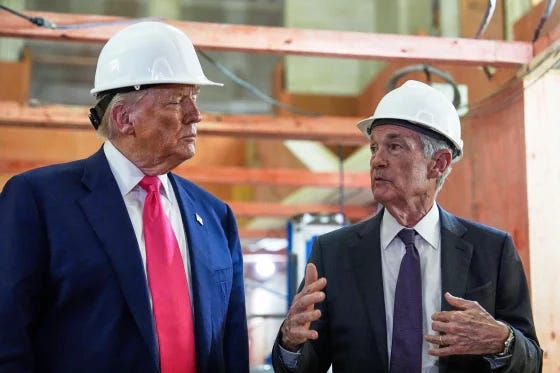
The DOJ has served the Federal Reserve with grand jury subpoenas tied to Jerome Powell’s prior testimony about the Fed’s headquarters renovation. Powell has signaled that the investigation feels like pressure on the institution, including the possibility of criminal exposure.
People can argue all day about renovation costs. Fine. But the bigger issue is the method. Prosecutors leaning into the central bank is not normal “oversight.” It’s a boundary test. And once boundaries move, they tend to keep moving.
What this really is
U.S. politics loves performance. Hearings. Sound bites. “Accountability” speeches. But the real game is always leverage.
When criminal process hovers over the central bank chair, it changes incentives inside the building even if nobody says the quiet part out loud. That’s why markets react. Not because they’re emotional. Because credibility is the central bank’s core asset.
A central bank that looks politically squeezable is a central bank that struggles to control inflation expectations. And when inflation expectations break, ordinary people pay first.
Core impacts - who pays, in real life
Let’s translate “Fed independence” into bills that show up in your mailbox.
Mortgage rates: The Fed mainly controls short-term rates. Mortgages are priced off longer-term expectations. If investors think the Fed is being pushed around, long-term rates can stay stubborn or even rise. That means homebuyers and renewals don’t get relief, even if politicians are bragging about “cuts.”
Credit cards and car loans: Lenders don’t price purely off the Fed’s target. They price off risk and expected inflation too. If political pressure makes inflation harder to contain later, your APR stays ugly. Sometimes it gets uglier.
Jobs: If inflation expectations drift up, a future Fed often has to overcorrect to prove it still has control. That’s when “tightening” turns into layoffs, hiring freezes, and small businesses getting denied credit. The pain doesn’t land on donors. It lands on payroll.
Everyday prices: Inflation is not a theory. It’s a tax on people who can’t hedge. If you’re living paycheck to paycheck, you don’t get to “diversify” your grocery bill. You just absorb it.
This is why the left-right shouting is a distraction. The real divide is between people who can pass costs along and people who just eat them.
How the Fed actually sets rates
A lot of coverage turns Powell into a cartoon villain or a cartoon hero. Neither is useful. The Fed doesn’t work like a king with a dial.
Rates are set by the Federal Open Market Committee, the FOMC. It’s a voting body made up of Fed governors and regional Fed presidents. Powell chairs it, but he does not dictate outcomes unilaterally. The process runs through data, staff analysis, forecasting, debate, then a formal vote.
The Fed’s legal mandate is narrow: price stability and maximum employment. It is not “make the economy feel nice before November.” It is not “save the incumbents.” It is not “pump the market.”
This structure exists because democracies learned a painful lesson: when politicians can reliably pull the rate lever, inflation becomes a feature, not a bug.
How intimidation works even without direct orders
Here’s the part people keep missing: political interference rarely shows up as an explicit command.
It shows up as a cost.
Subpoenas, investigations, legal exposure, and public threats don’t have to change a vote directly. They change the environment around the vote. They make everyone more cautious. They shift what gets discussed and what gets delayed. They change the messaging. They create a quiet incentive to avoid conflict with power.
You don’t need to formally seize an institution. You just need to make independence personally expensive.
That’s what a pressure campaign is. Not a memo. Not a signed order. A chilling effect.
Why midterms explain the incentive
Midterms are won on how the economy feels right now. If people feel squeezed, incumbents get punished. If people feel relief, incumbents survive.
Lower rates can deliver quick surface wins. Markets calm. Asset prices lift. Headlines improve. Politicians sell a “soft landing” story. Inflation is the delayed bill. It often shows up after the political payoff window closes.
That incentive structure is why this kind of pressure keeps coming back in American history. The short-term reward is immediate. The long-term damage is somebody else’s problem.
Nixon already ran this play
This is not unprecedented. Nixon pressured Fed Chair Arthur Burns ahead of the 1972 election. Loose policy helped the economy look strong. Nixon won big.
Then the bill came due. The 1970s inflation mess didn’t arrive as a moral lesson. It arrived as reality. And restoring credibility later required brutal tightening in the early 1980s. That cure meant recession risk and real hardship.
Short-term political gain. Long-term economic damage.
That’s the warning label on this whole story.
Closing
This isn’t about whether Jerome Powell is likable. It’s about whether the price of money can be pressured with criminal process during an election cycle.
If that becomes normal, the U.S. doesn’t get a smarter economy. It gets a less credible one. And in a less credible system, inflation is not an accident. It’s a recurring outcome.
More stories you might missed…


