

For years, Alberta independence was treated as a protest identity. A pressure release. A way to signal anger at Ottawa without expecting real consequences.
That changed the moment a sitting U.S. cabinet official spoke publicly about it.
Last week, U.S. Treasury Secretary Scott Bessent described an independent Alberta as a “natural partner” for the United States, pointing to its natural resources, pipeline constraints, and political frustration with the federal government. This was not a leak or an offhand remark. It was said on camera, in a political media environment aligned with the Trump movement.
That single statement did not create Alberta independence. But it did something important: it moved the idea from fringe rhetoric into the realm of geopolitics.
Once that happens, the question is no longer whether independence talk exists. The question becomes: who inside Alberta is organized to act on this moment, and how far has that organization already gone?
The Organizations Behind the Push
Alberta independence is not one group. It is an ecosystem with formal and informal layers.
At the center of the current push is the Alberta Prosperity Project (APP). APP is not a political party. It is an advocacy organization focused on triggering a referendum through Alberta’s citizen initiative process. That distinction matters. Referendums require legal compliance, financial officers, signature verification, and interaction with provincial election authorities.
In parallel, there are formal political parties that explicitly promote independence, including the Wildrose Independence Party and the Independence Party of Alberta. These parties are small, but they are registered entities with reporting obligations and long-standing involvement in separatist politics.
Taken together, this is not a spontaneous movement. It is a structured effort that knows how to navigate process.


Who’s Leading It, and Why Background Matters
Movements gain credibility not just from numbers, but from experience.
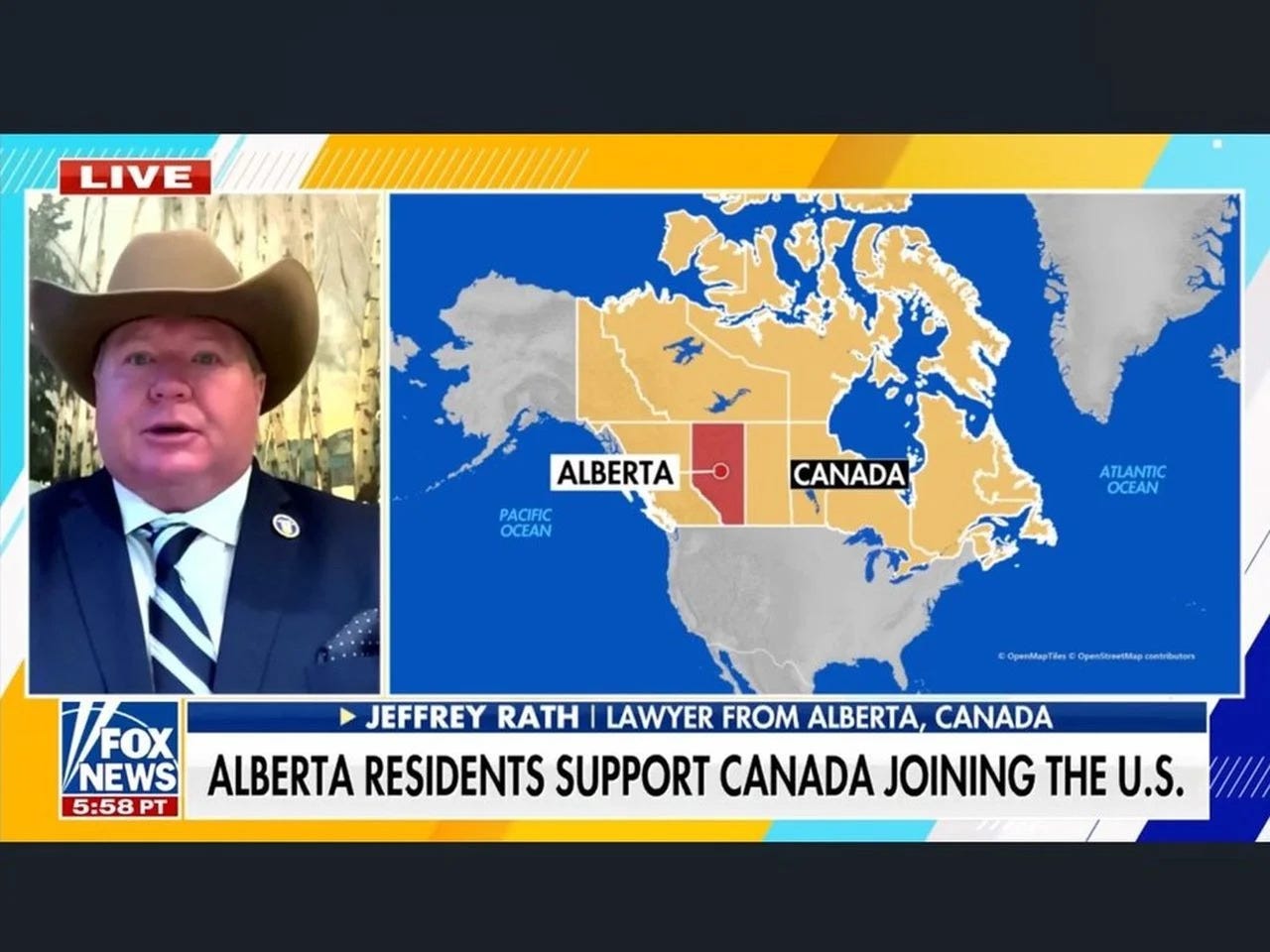
APP’s public-facing leadership includes CEO Mitch Sylvestre, and legal counsel and spokesperson Jeff Rath. Other long-time figures in Alberta sovereignty politics, including Dennis Modry, have also been closely associated with the organization.
These are not first-time activists. Several have decades of involvement in conservative, sovereignty, or separatist organizing. That history matters because it explains how the movement has been able to move quickly from rhetoric to procedure.
This is not anger without structure. It is grievance combined with political experience.
The Washington Angle: What Is Known, and What Is Claimed
Here is where things become sensitive, and where precision matters.
Multiple media outlets have reported that representatives connected to the Alberta Prosperity Project have met with U.S. officials in Washington. According to reporting, those meetings included discussions about a potential $500 billion credit or financing mechanism that could, in theory, support Alberta in the event a successful independence referendum created economic instability.
What is known:
Meetings with U.S. officials have been acknowledged.
The idea of large-scale financial backing has been discussed by separatist representatives.
No U.S. government agency has publicly committed to any funding or formal support.
What is not established:
There is no confirmed agreement.
There is no signed commitment.
There is no evidence of funds being transferred or approved.
In other words, this is not a case of foreign control. It is a case of domestic actors seeking external validation and leverage, and using the possibility of U.S. support as part of their political messaging inside Alberta.
That distinction is critical.
The Referendum: Where Things Actually Stand
Right now, the independence push lives or dies on procedure.
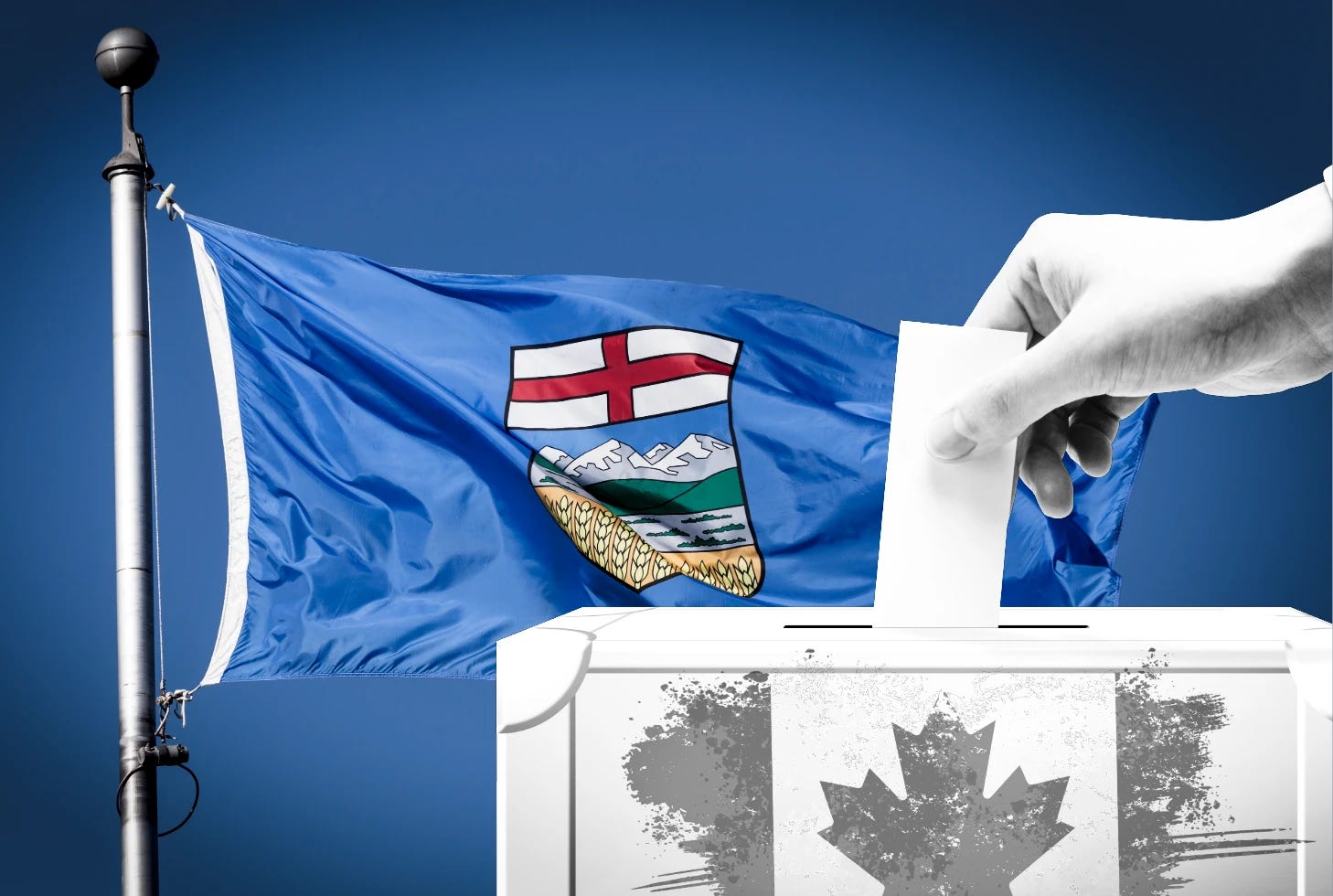
Under Alberta law, a citizen initiative referendum requires organizers to collect roughly 177,000 valid signatures within a fixed time window. That process is overseen by Elections Alberta, not by the provincial government or political parties.
The signature collection period is underway. Until that threshold is met and verified, there is no referendum. Everything else is talk.
This is the hard part of the movement. Mobilizing volunteers, coordinating verification, and surviving legal scrutiny is far more difficult than going viral online. Many independence efforts in the past have failed at this stage.
How Governments Are Responding
The reaction from Canadian officials has been sharp.
Prime Minister Mark Carney has publicly emphasized that Canada’s sovereignty must be respected by allies, a direct response to comments coming out of the United States.
British Columbia Premier David Eby went further, calling efforts to seek foreign support for breaking up Canada “treasonous.” That language signals how seriously some provincial leaders are taking the risk of escalation.
In Alberta itself, Premier Danielle Smith has said she does not support independence, but her government has also lowered the threshold for triggering referendums, a move critics argue has made this moment possible.
What Happens Next
Three paths are now visible.
If signature collection fails, the movement loses momentum and returns to the margins.
If signatures succeed, Alberta enters a prolonged legal and political battle involving federal law, Indigenous treaty rights, and constitutional negotiation.
If signatures succeed but the movement fractures internally, the process could stall for years.
None of these outcomes depend on Washington alone. But foreign attention changes the stakes, and raises the cost of miscalculation.
Why This Matters
This is no longer a protest story. It is a stress test of Canadian federalism under external pressure and internal discontent.
The most important thing to understand is this: Alberta independence is being pursued not as a fantasy, but as a process. And processes leave paper trails.
This investigation is about following those trails carefully, without hysteria and without denial.
The next phase will be decided not by speeches, but by signatures, filings, and court rulings.
Stories you might have missed…


