

The U.S.-Iran talks failed. Fine. That part is obvious.
But that is not the real story.
The real story is what happened right after. Washington did not step back. Israel did not slow down. And the “ceasefire” was never a real ceasefire in the first place. It did not cover the full war, and it was never built to.
So no, this was not peace falling apart. This was pressure changing form.
What Happened
The U.S. and Iran spent 21 hours in direct talks in Islamabad. High-level meeting, big stage, no result.
Both sides came out blaming each other, which is what governments always do when nothing moves. What matters is simpler than that. Neither side acted like it actually needed a deal. Washington wanted long-term limits on Iran’s nuclear program and open passage through the Strait of Hormuz. Iran had no intention of giving up one of the few serious pressure points it still has.
That is why this went nowhere. Not because they got close and then something broke. Because they were never that close to begin with.
What Was Actually on the Table
The gap was not narrow. It was massive.
Iran wanted a ceasefire in Lebanon, sanctions relief, access to frozen assets, recognition of its authority over the Strait of Hormuz, the right to continue uranium enrichment, and compensation for war damage. It also wanted a reduced U.S. military footprint in the region and broader guarantees of non-aggression.
The U.S. and Israel wanted the opposite. No uranium enrichment. Sharp limits on Iran’s missile program. Open shipping through Hormuz with no Iranian tolls or meaningful control. And they refused to include Lebanon in the ceasefire framework.
That is not a normal negotiation gap. That is a fight over the entire regional order.
Iran is trying to hold onto what it sees as strategic and military gains. The United States is trying to get at the negotiating table what it did not fully secure through war. When that is the real argument, one more round of talks is not going to fix it.
Why This Was Never Likely to Work
Talks only work when someone is willing to give something up.
No one here was.
Washington still thinks more pressure can force more concessions. Iran still thinks it can absorb the pressure and hold out. When both sides believe they still have leverage, they do not compromise. They posture, they stall, and then they escalate.
That is why these talks never looked serious to me as a path to peace. They looked like a temporary political instrument inside an unfinished war.
The Vance Problem
There is also the American political angle, and it matters more than a lot of people want to admit.
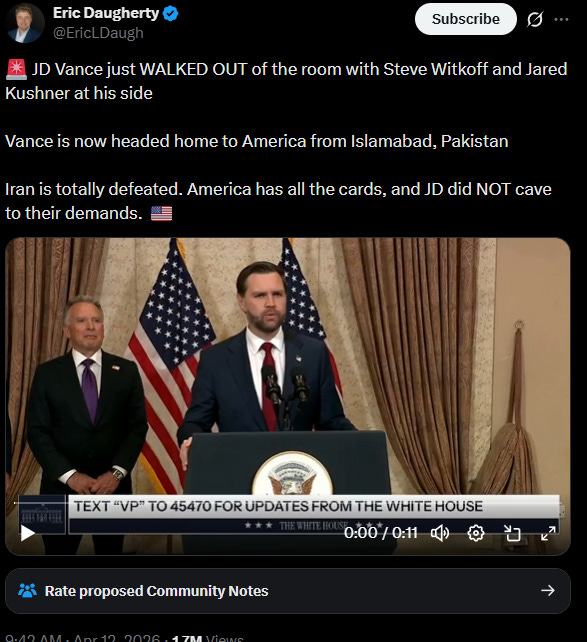
JD Vance was not just sent there as a negotiator. He was sent there as a rising Republican figure, and very possibly a future presidential contender, operating inside a MAGA political culture that does not reward compromise. MAGA rewards toughness. It rewards confrontation. It rewards the appearance of refusing to bend.
That creates a very obvious incentive problem.
If Vance had come back with a deal that involved visible concessions to Iran, a lot of MAGA people would not have called that diplomacy. They would have called it weakness. But if he comes back with no deal, he gets to say he stood firm, defended American interests, and refused to be played.
In that environment, failure is easier to sell than compromise.
That does not prove the talks were staged to fail. But it does mean success carried a political cost that failure did not. And that makes any real breakthrough much harder from the start.
What the U.S. Did Next
Then look at the sequence.
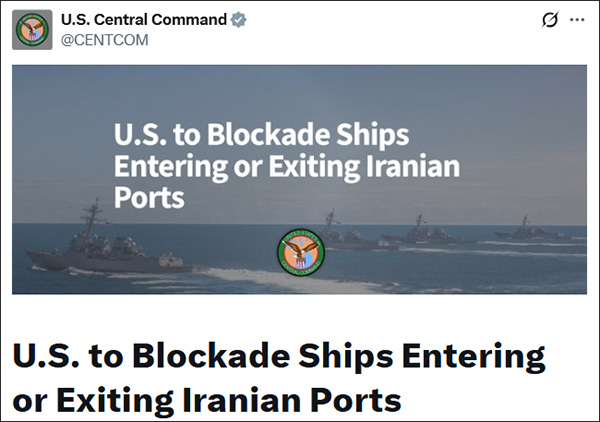
The talks ended, and Washington moved toward harder pressure at sea. That is the part people should be paying attention to.
A naval blockade targeting traffic to and from Iranian ports is not diplomacy. It is coercion. The message is simple: if talks do not produce the outcome Washington wants, Washington will try something harder.
And this is where the global consequences start.
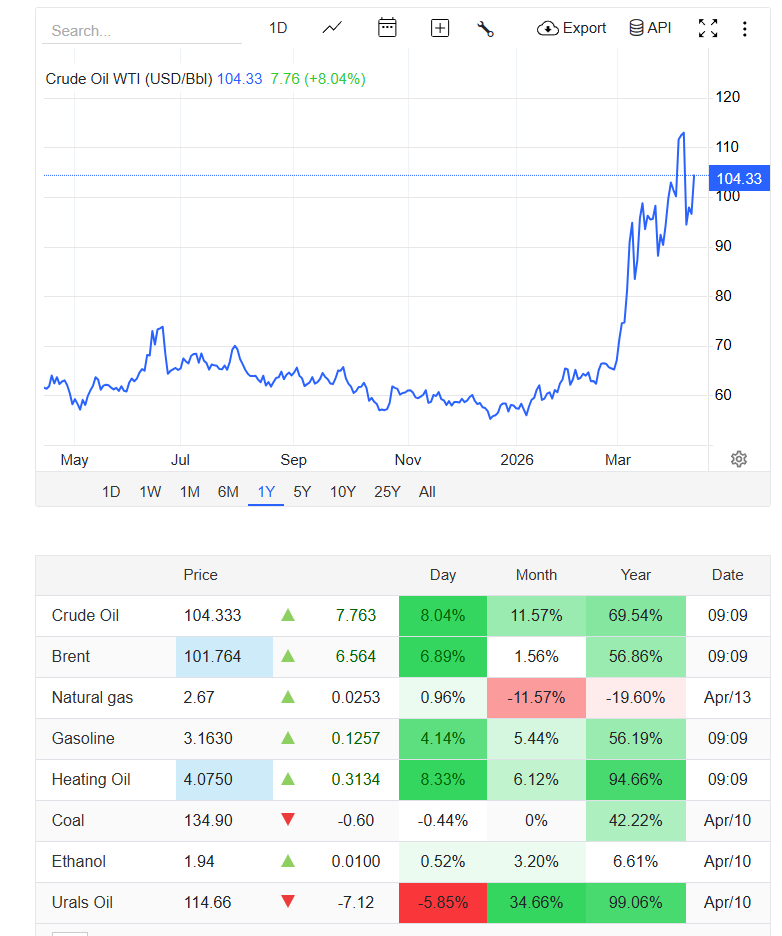
The Strait of Hormuz is not some abstract geopolitical talking point. A huge share of global oil moves through that narrow waterway. If tension there keeps rising, the cost does not stay in the Gulf. It moves straight into oil prices, shipping, insurance, and inflation.
Which means this is not just a military story. It is an everyday cost-of-living story too.
Who Actually Pays
And as usual, the people making the decisions are not the first people to pay for them.
The rich will be fine. Politicians will be fine. The people around power usually have buffers.
Ordinary people do not.
If Hormuz becomes a larger flashpoint, gas goes up. Food goes up. Transport goes up. Everything connected to energy and shipping goes up. The working class gets hit first, like always, while elites turn the whole thing into another round of strategic language and television theater.
That part is not new. It is just obscene every time it happens.
Israel Never Stopped
Then there is Lebanon, which makes the whole “ceasefire” story look even more dishonest.
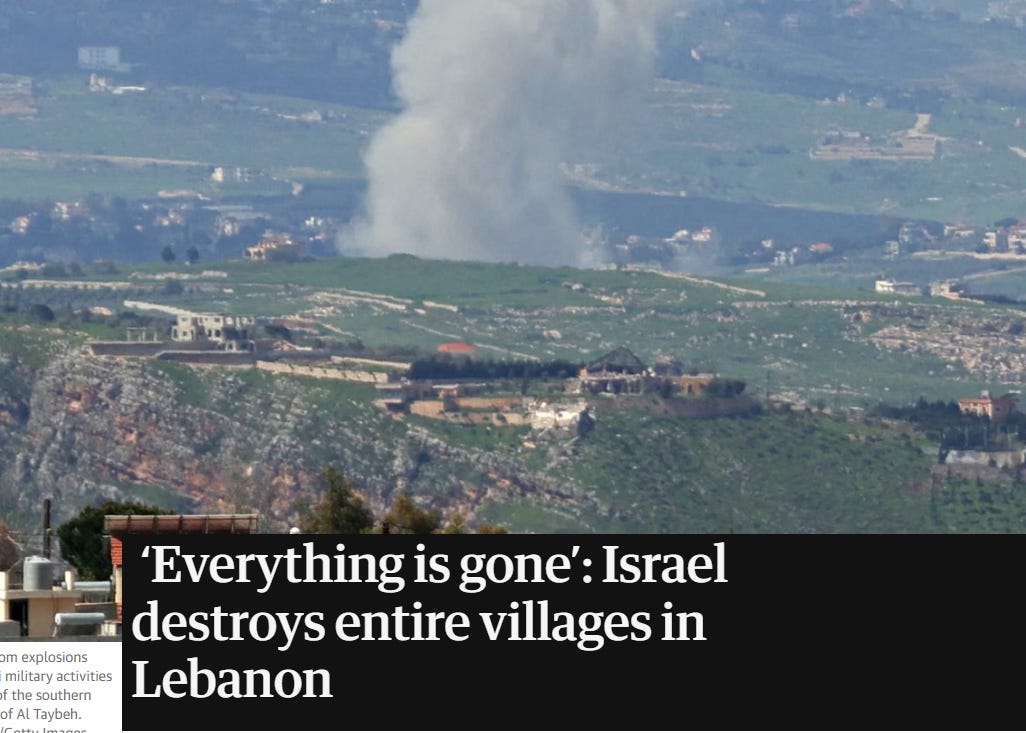
From the beginning, Lebanon was not included. That was not a minor detail. That was the design. One front pauses a bit, another keeps burning. Israel continued striking Lebanon throughout this whole period, which tells you exactly what the arrangement really was.
This was never about ending the war. It was about managing different fronts at different speeds.
Keep pressure on Iran’s network in Lebanon while diplomacy stays open somewhere else. That is the structure. So what you actually have is negotiation in one lane, blockade pressure in another, and active bombing in a third.
That is not peace. It is a coordinated pressure campaign dressed up in diplomatic language.
What This Suggests
The question now is not whether talks can restart. They can. The real question is what gives way first. Does Hormuz become the next flashpoint? Does Lebanon get dragged even deeper into this? Or does Washington keep pushing military pressure and economic pressure together until the whole situation gets harder to control?
This war is not winding down. It is changing shape.
That is where things stand right now. Things are not settling. They are shifting. If this kind of breakdown helps you make sense of what’s happening, stay with me here. I’ll keep tracking it as it moves. And if you want to support this work more directly, consider upgrading your subscription. That helps me keep this independent and spend more time going deeper on stories like this.


