

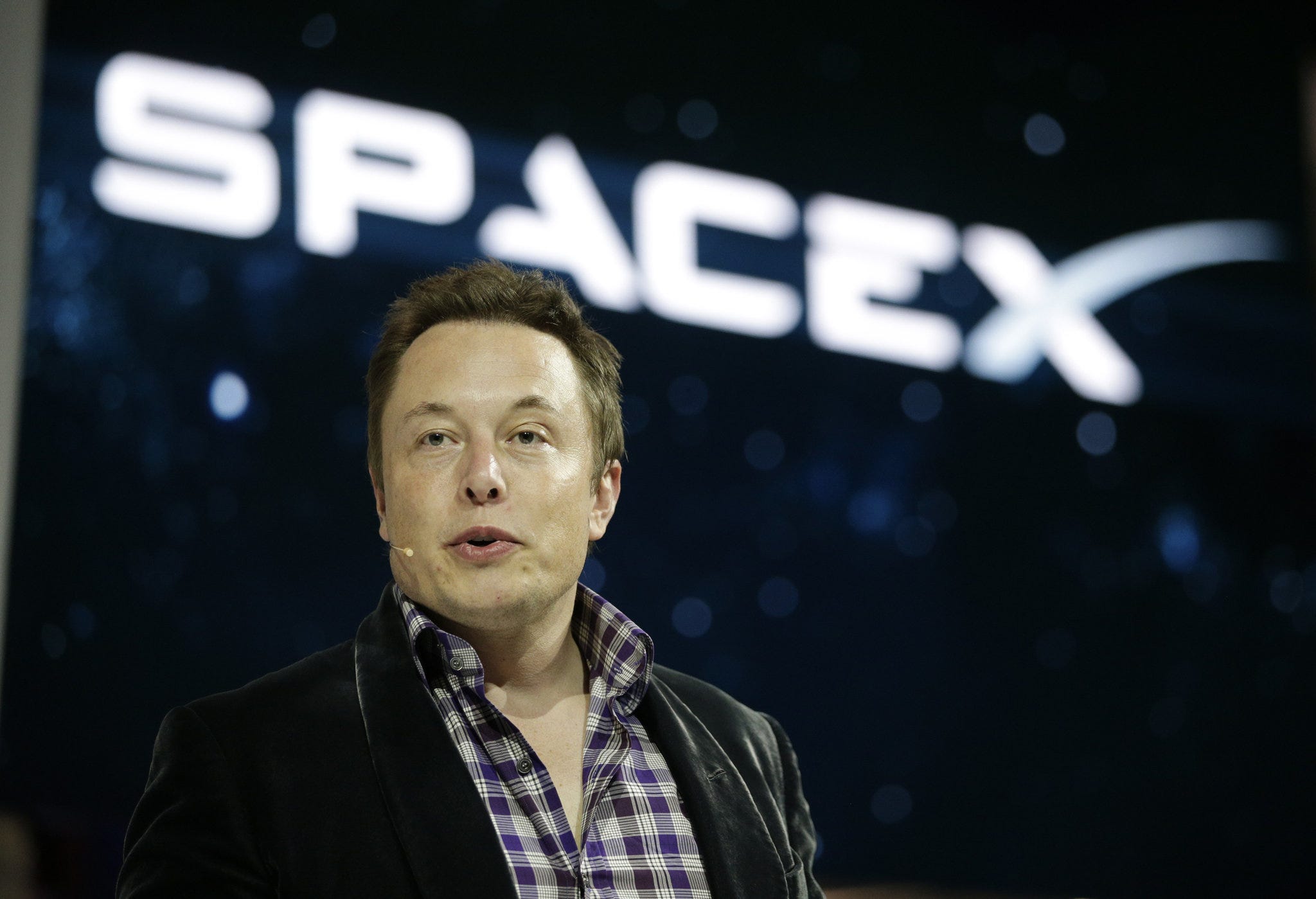
SpaceX is preparing to go public.
According to filings, if SpaceX lists at a $2 trillion valuation, Elon Musk’s net worth will surge to a staggering $1.1 trillion, making him the first trillionaire in human history.
Many people see this news and get excited, as if it proves how strong the American economy is, how successful innovation is, how dynamic the capital markets are.
But the real question isn’t “How impressive is Musk?” It’s “Why can a society concentrate one trillion dollars in one person’s hands, but can’t help ordinary people afford rent?”
Musk’s wealth increasing won’t lower your medical bills. It won’t make your wages catch up with prices. It won’t make college affordable for your kids. It won’t make your retirement more secure.
It only proves one thing: the American economy is getting better and better at rewarding asset owners, not workers.
Modern American wealth isn’t built through wages. It’s built through asset appreciation. Ordinary people sell time for wages. The wealthy own systems that capture valuation growth. When SpaceX’s valuation jumps from $100 billion to $2 trillion, Musk’s net worth can skyrocket by hundreds of billions. But a nurse, teacher, or truck driver working their entire life might never accumulate even a million dollars in net worth.
This isn’t a capability gap. This is a class gap.
Federal Reserve data shows that by the third quarter of 2025, the wealthiest 1% of American households owned 31.7% of the nation’s wealth, the highest level in decades. CBS reported on this data, noting that the 1% holds approximately $55 trillion in wealth, nearly equal to the combined wealth of the bottom 90% of Americans.
So the problem isn’t that America doesn’t have money. The problem is where the money goes.
Money flows into stock markets, into IPO valuations, into executive equity, into capital market narratives about the future. Meanwhile, ordinary people get rising rent, medical expenses, insurance bills, education costs, and wages that never catch up with inflation.
Most of my articles are free because I want this analysis to reach as many people as possible. If you find this valuable and want to support this work, paid subscriptions help me keep going. If not, that’s completely fine too. I genuinely appreciate you reading either way.
This is also why “Does Musk deserve a trillion dollars?” isn’t the real question. That question just turns into fan wars, with everyone arguing over a billionaire they’ll never meet.
The real question is: Why can America so efficiently create super-billionaires, but can’t efficiently create stable middle-class lives?
If an economy can create a trillionaire through a single IPO, but can’t create affordable housing, affordable healthcare, stable jobs, and secure retirement, then something is fundamentally broken in how resources are allocated.
A nurse, teacher, or warehouse worker spends their entire life creating real value. They care for patients, educate children, move goods, keep society running. But their wealth growth rate will never match the growth rate of a tech company’s IPO valuation.
Some people stand in the asset appreciation lane, enjoying valuation inflation. Some people are trapped in the wage labor lane, bearing cost-of-living inflation.
So the SpaceX IPO potentially creating the world’s first trillionaire isn’t proof of the American Dream.
It reflects the real structure of this society: asset owners getting richer, workers getting more exhausted. Capital markets getting more excited, ordinary families getting more anxious. A few people owning the future, most people paying the bill.
The American economy looks strong because the owners are rich.
But that doesn’t mean the people are doing well.


The only product the American economy produces better than any other in the world is trillionaires, not only individuals like Musk, but asset management firms—Blackstone $14 trillion, Vanguard $12; Big Tech—Nvidia $4.8 trillion, Alphabet $3. Financialization of the entire economy—with Wall Street dominating the prices of grain and beef, home mortgages and auto prices—means that trillions of dollars are invested in buying stocks low and selling high, removing money from production into the pockets of investors. The U.S. does not produce quality solar panels, steel, ships, high speed rail at all, and makes its best cell phones and electric vehicles overseas. America’s vast inequality in wealth and power is self-destructive, but it will not reform or collapse. Only workers fighting can win their rights.
It's similar to being at a poker table where the bets are sky high. Poker and corporate strategy are both games of incomplete information where players bet big on uncertain outcomes, bluff to influence others, and use bankroll size to control the table. There is a tool used to stoke or poke burning wood that makes the wood burn more efficiently. The tool is referred as a poker. We cold stoke a well burning fire. Wanna join me stoking and poking the plutocracy?