

The Qing Dynasty didn’t fall because it refused to change.
It fell because it tried to.
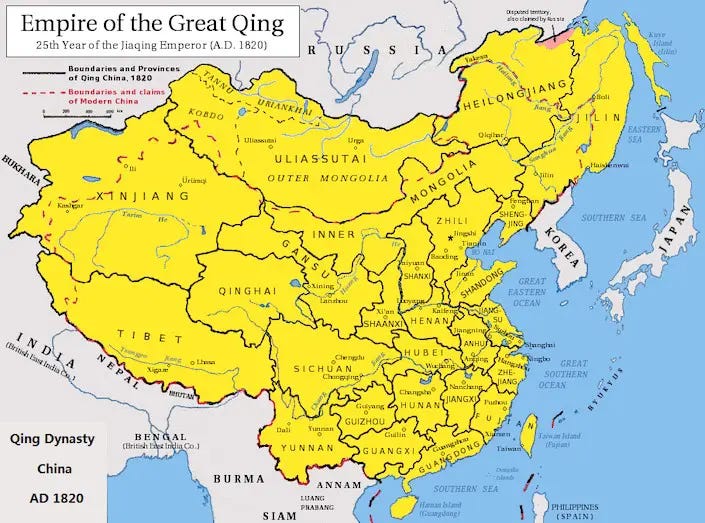
For decades before 1911, China’s last imperial government had been reforming: modernizing its military, building railroads, sending students abroad, studying Western constitutions, preparing for a parliament. The goal was survival. Adapt just enough to stay in power. Learn from the West without losing the throne.
Instead, every reform revealed a deeper problem: if the old system needed this much fixing, maybe it shouldn’t exist at all.
This is the trap that kills regimes. Not brutality. Not stagnation. But the moment they admit, even partially, that the way things have always been isn’t the way things have to be.
What the Qing Was Trying to Save
The Qing Dynasty ruled China for 268 years. It was the last imperial dynasty, governed by the Manchus, an ethnic minority, over a Han Chinese majority. For most of that time, its legitimacy rested on a simple narrative: This is the natural order. The emperor holds the Mandate of Heaven. The system works because it has always worked.
But by the late 1800s, that narrative was breaking down.
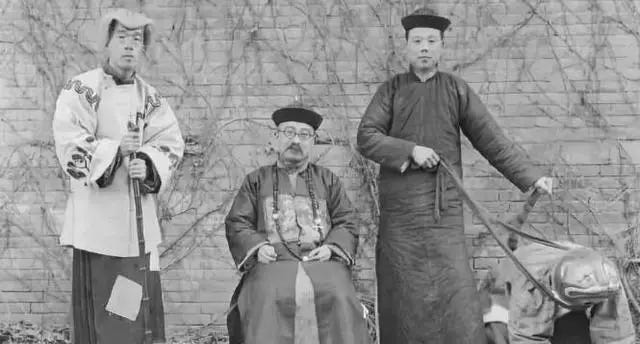
China lost the Opium Wars to Britain. It lost the Sino-Japanese War to a newly modernized Japan. Foreign powers carved out spheres of influence. Indemnity payments drained the treasury. Infrastructure decayed. The state was collapsing under the weight of its own irrelevance.
The Qing elite knew they had a problem. If they did nothing, the empire would disintegrate. But if they changed too much, they might lose control. So they tried to thread the needle: modernize the tools, keep the power structure intact.
This is where things got dangerous.
The Reform Trap
Starting in the 1860s, the Qing began a series of reforms. They built arsenals and railways. They established modern schools. They sent thousands of students to Japan, Europe, and the United States to study engineering, law, military tactics, and governance.
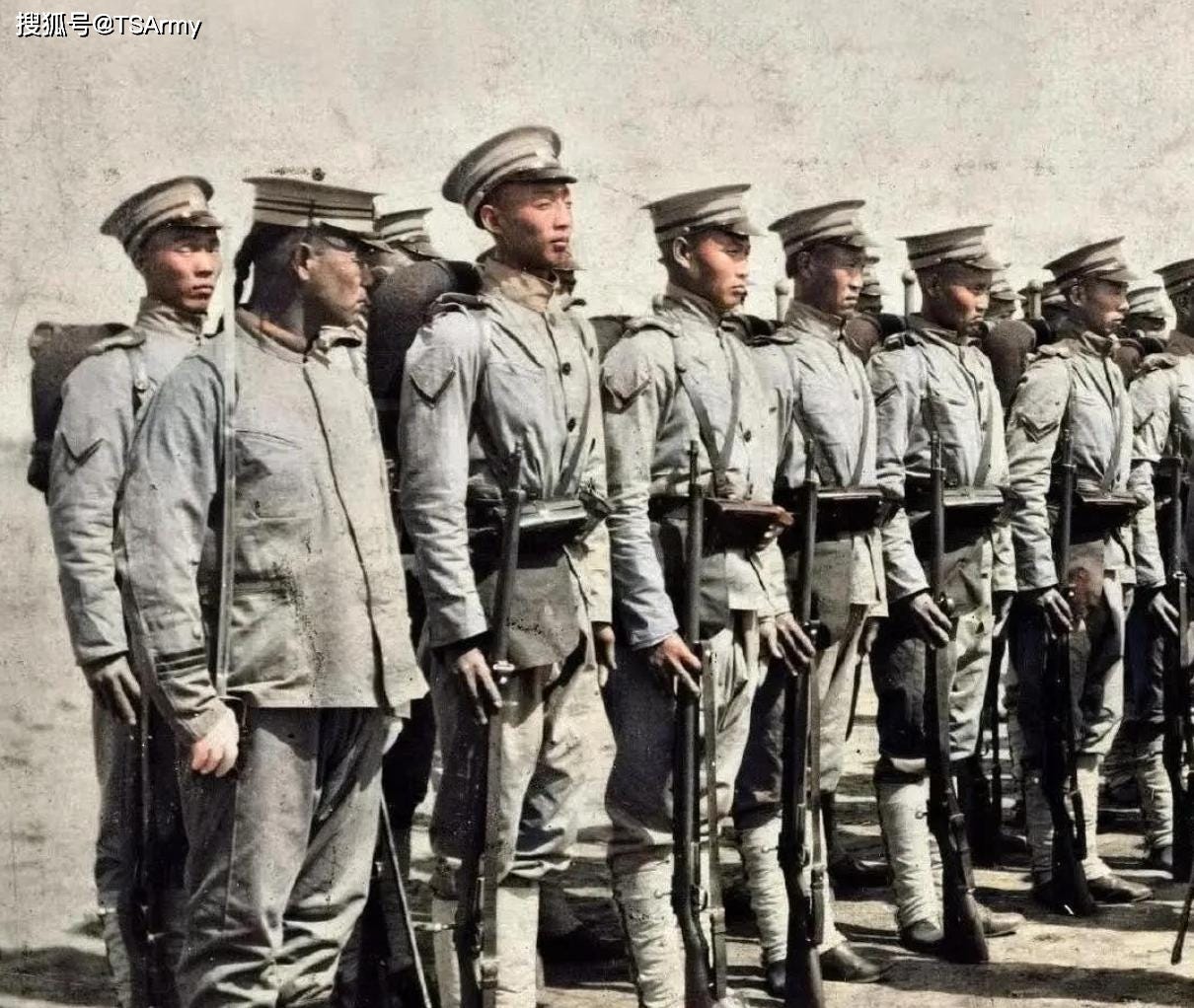
The logic seemed sound: borrow the West’s technology, keep China’s political system.
But you can’t import modern institutions without importing the ideas that come with them.
Chinese students abroad didn’t just learn how to build factories. They learned about constitutional government, republicanism, popular sovereignty, and the idea that emperors were optional. When they came back, they brought those ideas with them, and they didn’t forget them just because the Qing wanted them to.
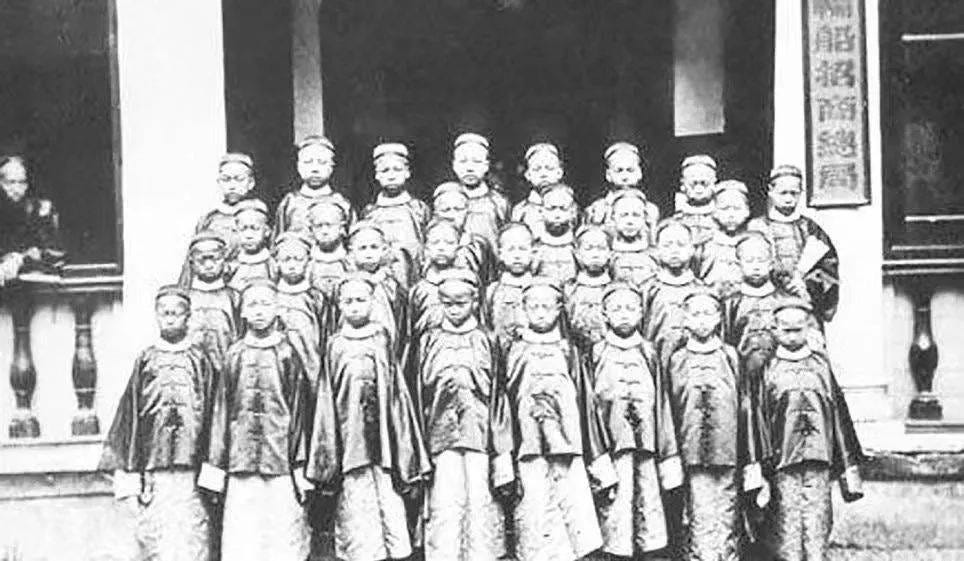
The same thing happened with the military. The Qing established new armies trained in modern tactics. But modern armies require modern officer education. And modern officers started asking modern questions: Why are we defending a dynasty that’s Manchu, not Han? Why does political power stay in the hands of a hereditary elite? If Japan can modernize and abolish feudalism, why can’t we?
By the early 1900s, the Qing was trying one last gamble: constitutional monarchy. Keep the emperor, but create a parliament, a legal system, a constitution. Give people just enough political participation to satisfy them, but not enough to threaten imperial power.
It didn’t work.
Because once you admit the old system isn’t good enough, people stop asking whether to change. They start asking how much to change, and why not more?
This is the mechanism that destroys regimes. Reform proves the critics were right. It shatters the illusion of inevitability. And once that illusion breaks, authority becomes negotiable.
This is where the pattern becomes clear: reform doesn’t save systems that have lost legitimacy. It just speeds up the reckoning.
If you’re finding this framework useful, consider upgrading to paid. Paid subscribers get deeper breakdowns of how power structures collapse, and what replaces them.
