

The most dangerous lie about AI is that workers are being replaced by technology. They are not. They are being replaced by management decisions disguised as technology.
That is why a recent Chinese court ruling matters. A tech company in Hangzhou introduced AI systems, reassigned an employee, cut his monthly pay from 25,000 yuan to 15,000 yuan, and then fired him when he refused. And the court ruled the termination illegal and ordered the company to pay the employee 260,000 yuan in compensation.
On paper, this looks like a routine labor dispute. In reality, it exposes the central conflict of the AI age.
AI is not replacing workers by itself. Companies are choosing to use AI to reduce labor costs, weaken bargaining power, and protect profit margins.
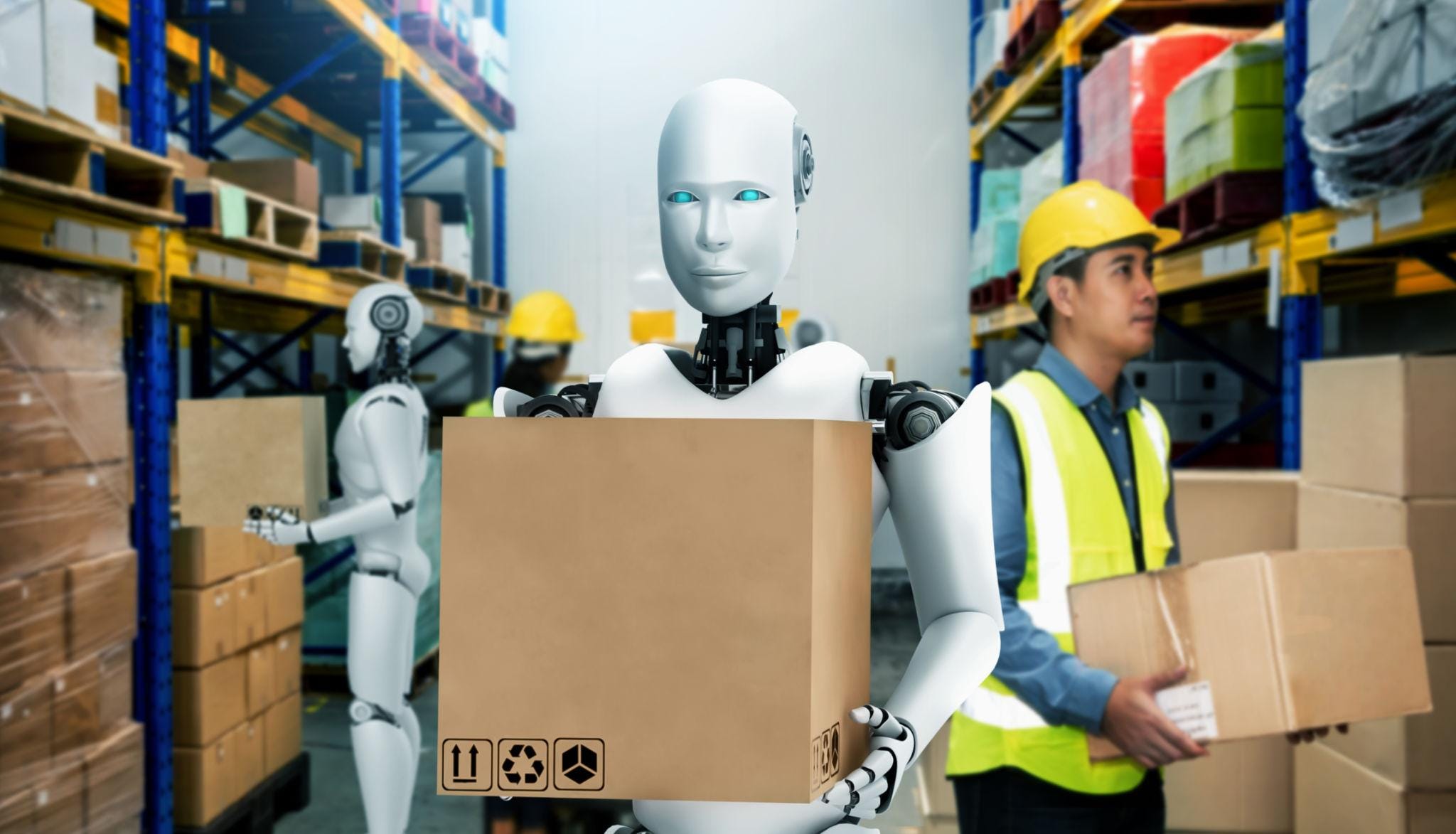
AI is not a natural disaster
The company argued that AI had changed the “objective circumstances” of the job. That matters legally because companies can sometimes terminate workers when external conditions make a labor contract impossible to continue.
The court rejected that logic.
AI adoption is not some external disaster that suddenly falls on a company. It is a business decision made by management. The company introduced the system, redesigned the role, cut the worker’s pay, and fired him when he refused to accept the new terms. That means the company cannot pretend the consequences came from nowhere.
This is the part most AI coverage avoids. When a company buys AI tools, restructures a team, and reduces labor costs, that is not “technology happening.” That is a decision about how power is used inside the company.
The real AI debate is about power
The public debate keeps framing AI as humans versus machines. That framing is misleading. It makes the outcome sound mechanical and inevitable.
The real conflict is about distribution.
When AI increases productivity, value is created. Work gets done faster, costs may fall, and output may rise. In a rational system, that should mean less pressure on workers and more stability in their lives.
But under the current corporate model, the gains tend to flow upward. Executives describe it as efficiency. Investors describe it as margin expansion. Workers experience it as layoffs, wage pressure, and declining leverage.
That gap is the real issue. It is not about whether AI works. It is about who benefits from it.
The American version is not subtle anymore
In the United States, the direction is becoming increasingly obvious. CEOs openly talk about replacing workers with AI. Some startups even market their products with slogans that suggest companies should stop hiring people altogether.
At the same time, workers are told to adapt. Learn new skills. Stay competitive. Take responsibility for keeping up with technological change.
But the burden always falls in one direction.
There is very little discussion about whether companies should absorb part of the transition cost, or whether investors should accept lower returns when productivity gains come from reducing labor.
Labor remains the most flexible variable in the system.
The “prices will go up” argument is a threat dressed as economics
Whenever labor protections are introduced, the same argument follows. If companies cannot reduce headcount freely, costs will increase and consumers will pay more.
This framing leaves out an important detail.
It assumes profit margins cannot change. It assumes executive compensation cannot adjust. It assumes shareholder returns must be protected.
So the trade-off is presented as workers versus consumers, while capital remains untouched.
That is not economic necessity. It is a political choice disguised as business logic.
This is not about pretending China is perfect
This is not an argument that China has solved every labor problem. That would be simplistic and unconvincing.
The point is narrower.
In this case, the court recognized that if a company chooses to automate, it cannot transfer all the consequences of that decision onto the worker. It has to negotiate, provide alternatives, or compensate for the loss.
That establishes a basic boundary.
In many places, even that boundary is unclear or missing.
The question every worker should ask
AI will continue to develop. Jobs will change. Some roles will disappear.
The real issue is simple: workers rarely decide when AI enters the workplace, how the savings are used, or what happens when their own jobs are put on the chopping block.
They experience the outcome, but they do not shape it.
That is not a technology issue. It is a question of power.
The Hangzhou ruling matters because it makes that responsibility explicit. It refuses to let companies hide behind the language of inevitability.
AI is not taking your job on its own. It is being used to reshape the terms of work.
If that process continues without constraints, the result is predictable. Higher productivity will not translate into greater security for workers. It will translate into greater flexibility for employers.
That is not progress. It is a continuation of the same structure with more advanced tools.


