

Hi everyone. I want to start by pulling a few of these developments together, because once you do, the picture gets much clearer. The White House says talks with Iran are still moving. But at the same time, it is warning Tehran to accept military defeat or face even harsher attacks. Iran says it is reviewing proposals sent through intermediaries, while rejecting the idea that these are real negotiations. And in Lebanon, Israeli strikes are still hitting urban areas, including a waterfront building in Tyre struck during a live television report.
To me, this is not what real de-escalation looks like. The language of diplomacy is still there, but the war is still moving.
If this kind of briefing helps you make sense of fast-moving events, subscribe and stay with me here. And if you want to support this work more directly, consider upgrading.
Talks on the surface, terms that look like imposed defeat
Start with the U.S. position.
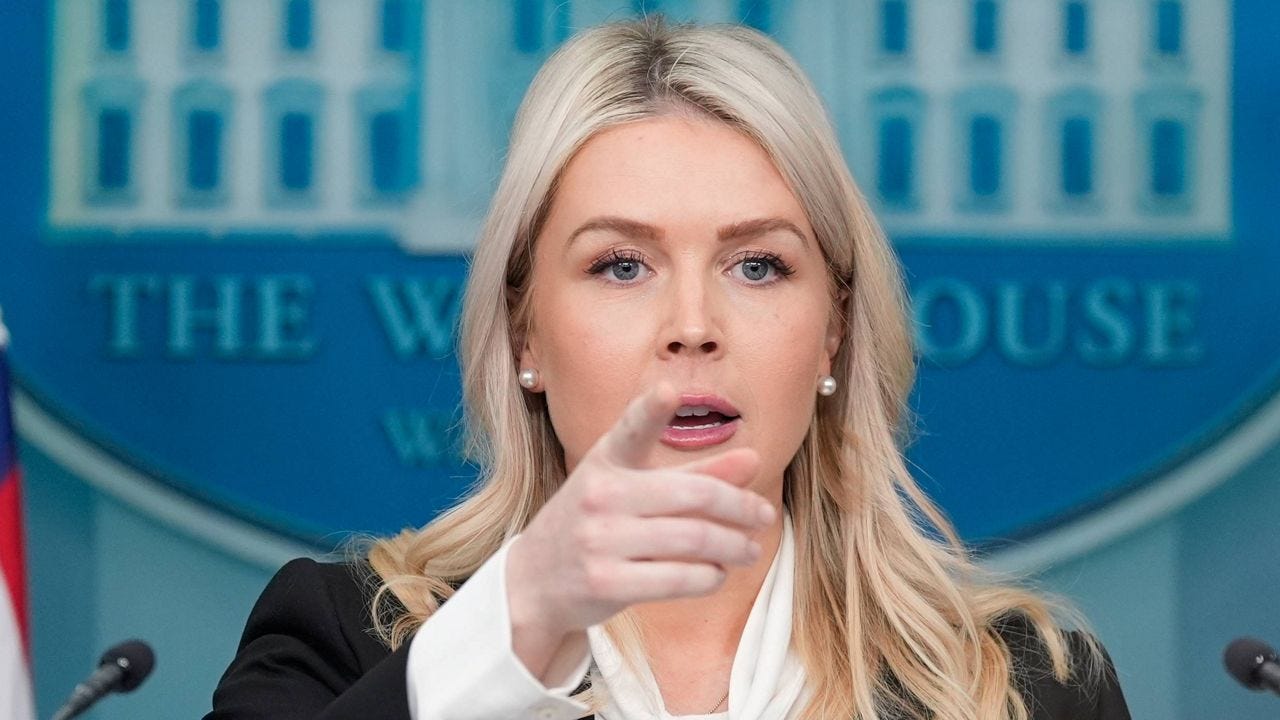
White House Press Secretary Karoline Leavitt said the talks are still underway and productive. But in the same breath, she warned that if Iran does not accept that it has already been defeated militarily, Trump is prepared to hit harder than before.
That tells you what kind of “talks” these are.
This is not really a mutual search for a settlement. It is closer to Washington using military pressure to define the new reality first, and then calling the next stage negotiation.
The reported 15-point proposal points in the same direction. The package reportedly includes halting uranium enrichment, shipping out higher-enriched stockpiles, dismantling key nuclear sites, limiting missile capabilities, and cutting support for regional allies.
Even if every detail has not been publicly confirmed, the overall shape is already clear. These are not simple ceasefire terms. They look much more like an attempt to force a long-term rollback of Iran’s strategic capacity under wartime pressure.
That is why the White House language feels so slippery. It wants to preserve the image of diplomacy while still maximizing coercion. “Talks are continuing” sounds moderate. The actual message is much harsher: accept a weaker position, or face more force.
Iran keeps the channel open, but rejects the frame
Iran’s response matters for a different reason.
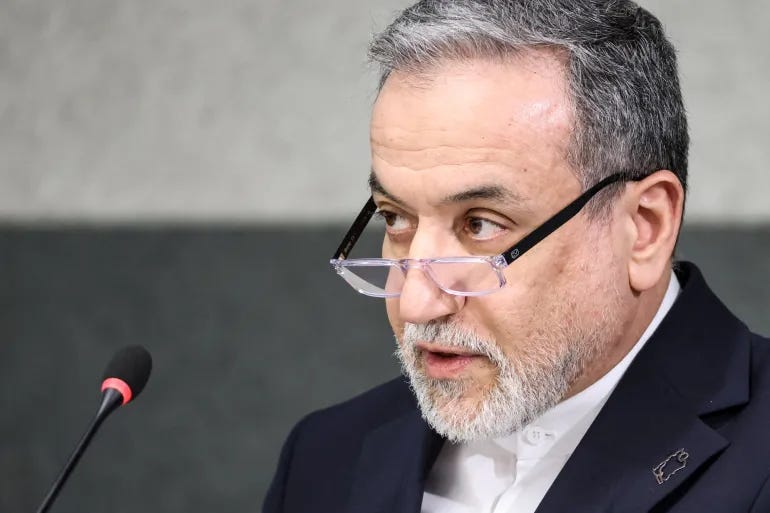
Tehran has not fully rejected the proposal. Officials say it is still being reviewed, which means the door is not completely shut. But Iranian Foreign Minister Abbas Araghchi has also made clear that passing messages through friendly countries does not mean Iran is negotiating with the United States.
That is not a minor wording issue. It is a political positioning.
Iran does not want to be seen as sitting down under U.S. terms after being told to acknowledge defeat. So it is doing two things at once: keeping the communication channel open, while refusing the political frame Washington is trying to impose.
Iran’s own reported conditions reinforce that point. They include a full halt to attacks and assassinations, guarantees against renewed war, compensation for war damage, and an end to fighting across all connected fronts, including Lebanon.
That last point is critical. Iran is not treating this as a narrow bilateral issue. It is treating it as a regional war. From Tehran’s point of view, as long as allied fronts remain under attack, any so-called ceasefire remains partial and unstable.
Lebanon shows the war is still expanding
This is where Lebanon becomes more than a side story.
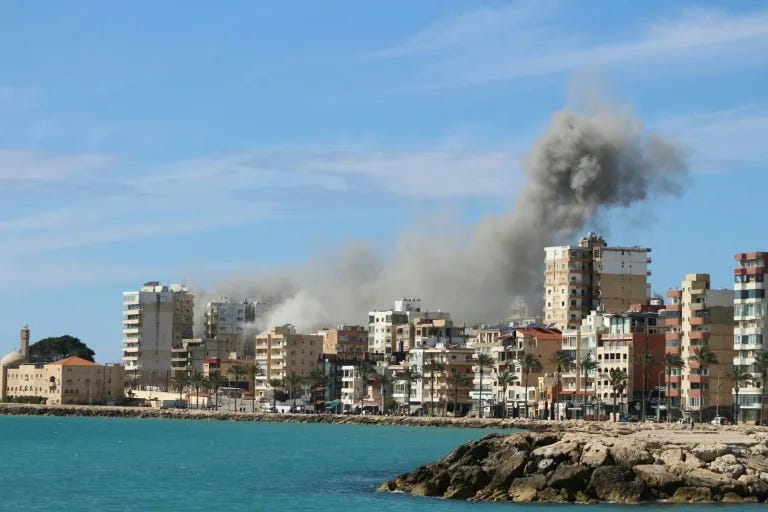
In Tyre, an Israeli strike hit a waterfront building during an Al Jazeera live report. The blast interrupted the broadcast itself. No immediate public explanation was given for the specific target, while strikes on civilian infrastructure were also being reported elsewhere in Lebanon.
That tells you something important. The wider battlefield is still moving even while Washington keeps talking about diplomacy.
Israel’s public justification has been broadly consistent. It says it is targeting Hezbollah infrastructure, command sites, weapons networks, and financial support systems. That has been the stated logic throughout this phase of the conflict. But once residential buildings are being hit without clear public evidence explaining the target, the gap between military justification and civilian reality starts getting wider.
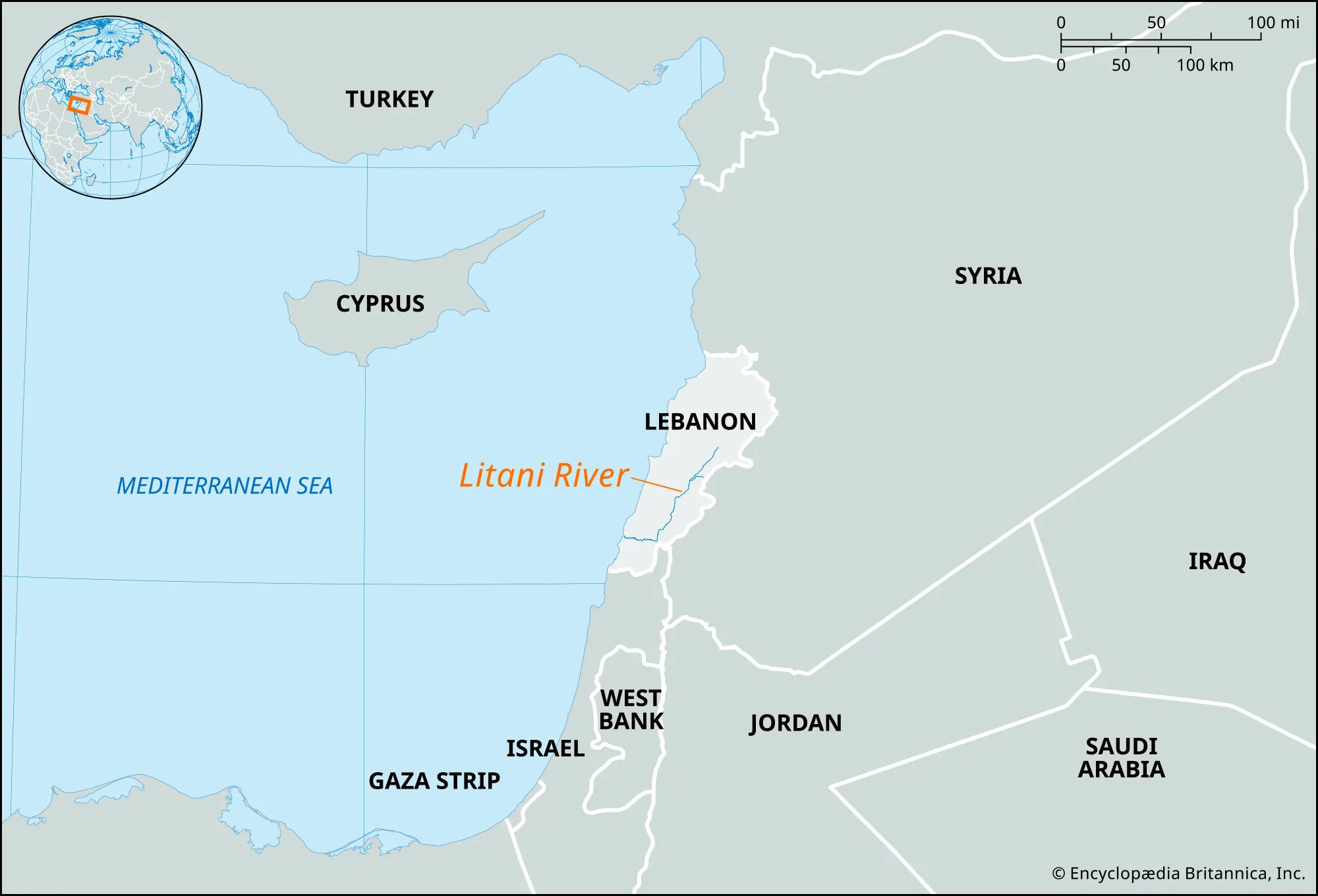
There is also a larger strategic layer here. The Litani River matters because southern Lebanon has long been tied to buffer-zone logic, especially under the framework of UN Security Council Resolution 1701. So when people talk about pushing Hezbollah farther north or reshaping the security geography south of the Litani, that is not random speculation. It sits inside a much older military and diplomatic map.
That does not mean every broader interpretation should be accepted automatically. On the “Greater Israel” question, discipline matters. There are commentators who see these operations, buffer-zone discussions, and repeated cross-border pressure as part of a bigger expansionist logic. That concern should not be dismissed lightly. But it also should not be presented as settled fact without stronger evidence of an official policy.
The more serious question is simpler. Are these strikes narrowly about degrading Hezbollah, or are they part of a broader effort to permanently rewrite the reality on the ground in southern Lebanon?
That is what needs watching.
What can already be said with confidence is more than enough. The battlefield is not shrinking. Military operations are continuing alongside so-called negotiations. And when peripheral fronts stay hot, claims of de-escalation become much less convincing.
What this really is
Put the full picture together, and the answer is pretty simple. Washington is calling it negotiation while still using war to force the terms. Iran is refusing to publicly accept a defeat framework. Israel is still hitting Lebanon. So no, this is not a real regional cooldown.
If the pressure continues, if the demands stay one-sided, and if the wider fronts remain active, then this is not a ceasefire process in any meaningful sense. It is an attempt to turn battlefield pressure into political surrender.
Closing
This is what we need to watch next. Does Washington lower its demands, or keep raising the price of a deal? Does Tehran move from “reviewing” to a clear yes or no? And does Lebanon cool down, or does the war keep widening while negotiations remain mostly rhetorical?
That is where the real answer will come from.
This story is still moving, and I’ll keep tracking it closely. If this kind of reporting and synthesis is useful to you, subscribe. And if you want to support this work more deeply, consider upgrading.


Iran is winning the war--steadily degrading U.S. military bases in the region and Israel's military and industrial infrastructure, and creating an energy/global recession crisis. Its goal is to have long-term peace in the region, which means U.S./Israel lack the capacity to launch a future attack with any hope of winning. Israel's goal is to destroy Iran as a military and political force. Trump wants to avoid a deep recession and high inflation while at least appearing to win the war. Iran will not negotiate until Trump is ready to close all U.S. bases in the region and Israel is so weakened it gives up on expansion, possibly until it accepts a Palestinian state. The only thing that can interrupt this progression is U.S./Israeli use of nuclear weapons.
So disgusting the sanctimonious EU cannot take a consistent position on aggression by Russia and Israel. At least Russia had a genuine grievance (ethnic Russians were promised autonomy under Minsk accord) vs plain expansionism by Israel. And Israel is gratuitously violent towards civilians whereas Russians take care to minimise civilian casualties. The hypocrisy is deafening.