

What Just Happened in China
China’s annual “Two Sessions” just wrapped up.
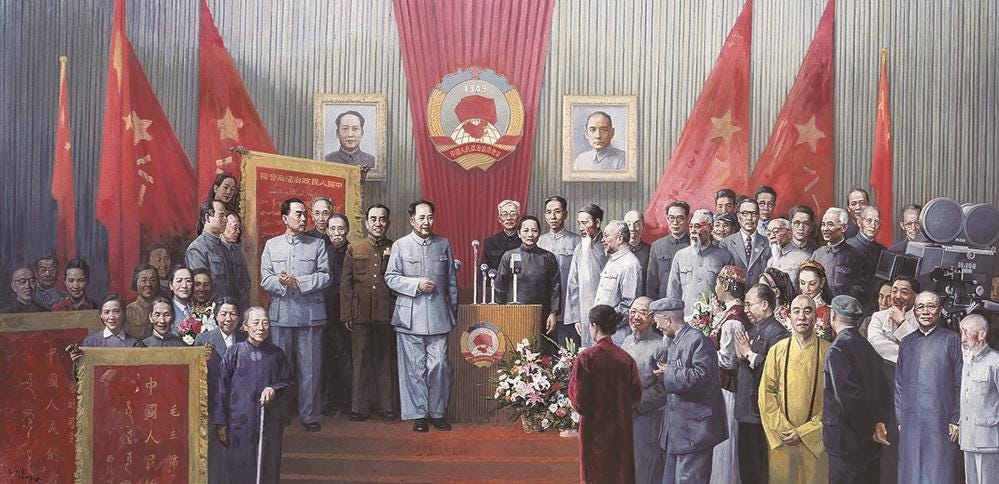
Every year, the country holds two major political meetings at the same time. One is the National People’s Congress (NPC), which is China’s national legislature. The other is the Chinese People’s Political Consultative Conference (CPPCC), a national advisory body.
Together they are called the Two Sessions.
This is one of the most important political events in China each year because it’s where major policies are discussed, thousands of proposals are submitted, and the government signals its priorities for the coming years.
Who Are the Delegates?
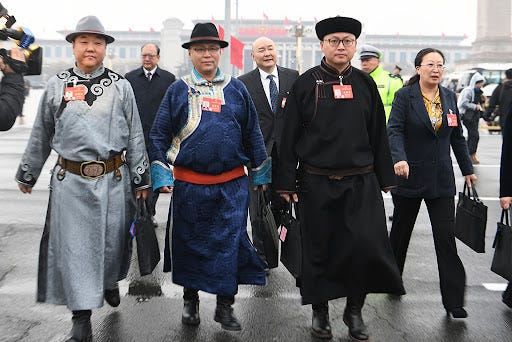
The NPC includes nearly 3,000 delegates from across China.
They come from a wide range of backgrounds. Some are factory workers, farmers, teachers, doctors, engineers, and small business owners. Others are scientists, entrepreneurs, local officials, or leaders in their industries.
The idea is that the legislature includes people who represent different parts of Chinese society.
The CPPCC has around 2,000 members, and they usually come from professional fields like business, academia, science, culture, and technology.
Unlike the NPC, they do not vote on laws. Their job is to bring proposals, ideas, and policy suggestions into the national conversation.
Thousands of Proposals
During the meetings, delegates submit a huge number of proposals.
Last year alone, more than 9,000 suggestions were submitted by NPC delegates, and over 5,000 proposals came from CPPCC members.
Some proposals deal with large national issues such as economic development, industrial policy, and technological innovation.
Others focus on everyday problems people face in daily life.
That mix is part of the purpose of the meetings. Big national strategy and practical social issues get discussed in the same place.
Some Highlights From This Year’s Proposals
Several major themes appeared repeatedly this year.
The cost of raising children
Many delegates raised concerns about China’s declining birth rate. Some proposals focused on expanding childcare services, improving maternity benefits, and reducing education costs for families.
The goal is to reduce the financial pressure that makes many young couples hesitate to have children.
Work culture and overtime
Long working hours have become a major issue, especially in technology and platform jobs like food delivery and ride-hailing.
Some delegates suggested stricter enforcement of labor laws and clearer rules around unpaid overtime. Others proposed stronger protections for gig workers.
Aging population
China now has more than 300 million people over the age of 60. That means elderly care and pension systems are becoming major policy concerns.
Some proposals focused on improving pension coverage and expanding elder-care services. Others even suggested developing technologies like care robots to help deal with the shortage of caregivers.
Education pressure
Another frequent topic was education.
Delegates proposed expanding public high schools, strengthening vocational education, and improving student mental health support. The goal is to balance academic competition with student well-being.
Artificial intelligence and new industries
Technology was another major focus.
China is investing heavily in fields like AI, robotics, autonomous driving, and the so-called low-altitude economy, which includes drones and future flying transportation.
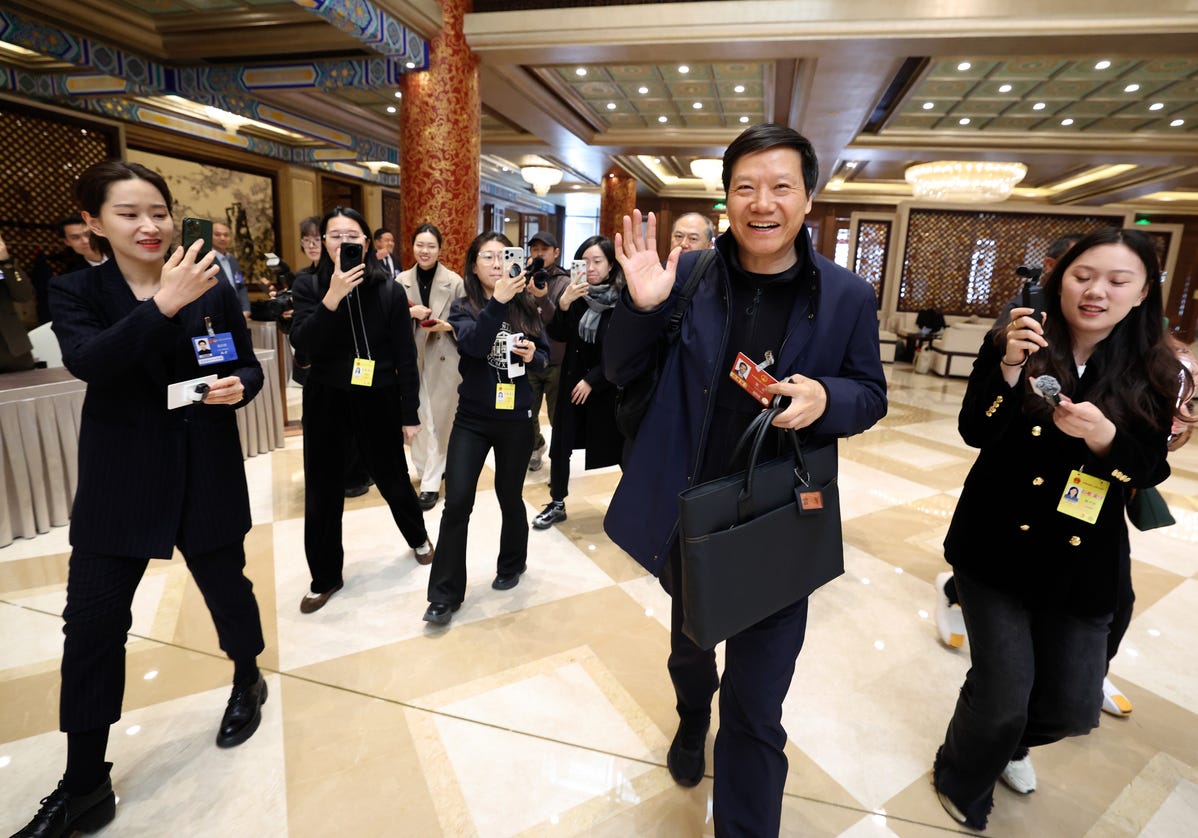
One well-known entrepreneur, Lei Jun, the founder of Xiaomi, submitted proposals related to the development and regulation of autonomous driving technology.
What Happens to These Proposals?
A common question foreigners ask is whether these proposals actually matter.
The answer is yes, but not every proposal becomes policy.
Once submitted, proposals are assigned to government ministries or agencies that are responsible for that issue. For example, healthcare proposals go to health authorities, while labor issues go to labor ministries.
Those agencies must review the proposals and provide responses.
Sometimes a proposal leads to a pilot program or policy change. Other times it becomes part of longer discussions that may take years to turn into legislation.
So the Two Sessions are less like a single decision event and more like a policy pipeline. Ideas enter the system, are debated, and sometimes eventually become law.
Why the Two Sessions Matter
The real value of the Two Sessions is that they reveal what China is thinking about.
You can see which social issues are rising to the national level, which industries are getting attention, and what problems policymakers believe are most urgent.
In other words, even if every proposal does not pass, the meetings provide a rare window into China’s priorities and direction.
If you want to understand where China may be heading next, the Two Sessions are one of the most important moments of the year to watch.
Why I Write These Breakdowns
I write these kinds of breakdowns because a lot of global political systems are either oversimplified or completely misunderstood online.
China is one of the biggest examples of that. Many people outside the country only see headlines, propaganda, or criticism, but they rarely get a simple explanation of how things actually work.
The goal of this newsletter is to slow things down and explain systems, policies, and political structures in a way that normal readers can understand.
Sometimes that means explaining events in the United States. Sometimes it means explaining what is happening in China. Most of the time it means comparing how different political systems operate.
If you find this kind of breakdown useful, consider subscribing to the newsletter so you do not miss future articles.
And if you want to support this work and help keep independent analysis going, you can also upgrade to a paid subscription.
Your support helps make it possible to keep writing and explaining these topics in a way that is clear, grounded, and accessible.


Thanks for the insight, Neil. China has Two Sessions and America has AIPAC. China's ascent and America's decline tells us all we need to know about which system works best for its citizens.
I admire China’s democratic political system. Hope one day Malaysia can adopt elements from the Chinese system, especially the part that prioritises consultation and unanimity. There is too much rivalry and animosity in Malaysia’s political system.