

Congressional Democrats are sitting at an 18% approval rating, with 73% disapproval and a net approval of negative 55. That alone would be alarming. What makes it worse is the timing. This is happening while Trump is back in power and Republicans are visibly chaotic. Under normal political logic, Democrats should be benefiting from their opponent’s failures. Instead, support continues to collapse.
That tells us something important. Many voters no longer see Democrats as a meaningful alternative. They see them as another version of the same system.
Check out this Quinnipiac University poll,
Cost of Living Pressure With No Real Relief
For working people, politics is not abstract. It shows up in rent, groceries, gas, and medical bills.
Democrats have spent years talking about values, progress, and inclusion. But for many working class voters, daily financial pressure has not eased. In some cases, it has intensified. You can cite positive economic indicators, but those numbers don’t soften the moment someone opens a bill they can barely afford.
When lived reality and political messaging stay out of sync for too long, trust erodes. People don’t necessarily move to the other party. They stop believing this one can help them.
Cultural Politics Crowding Out Class Politics
Cultural issues are real, but they have become overused in American politics because they are safer. Talking about culture does not threaten donors. Talking about redistribution does.
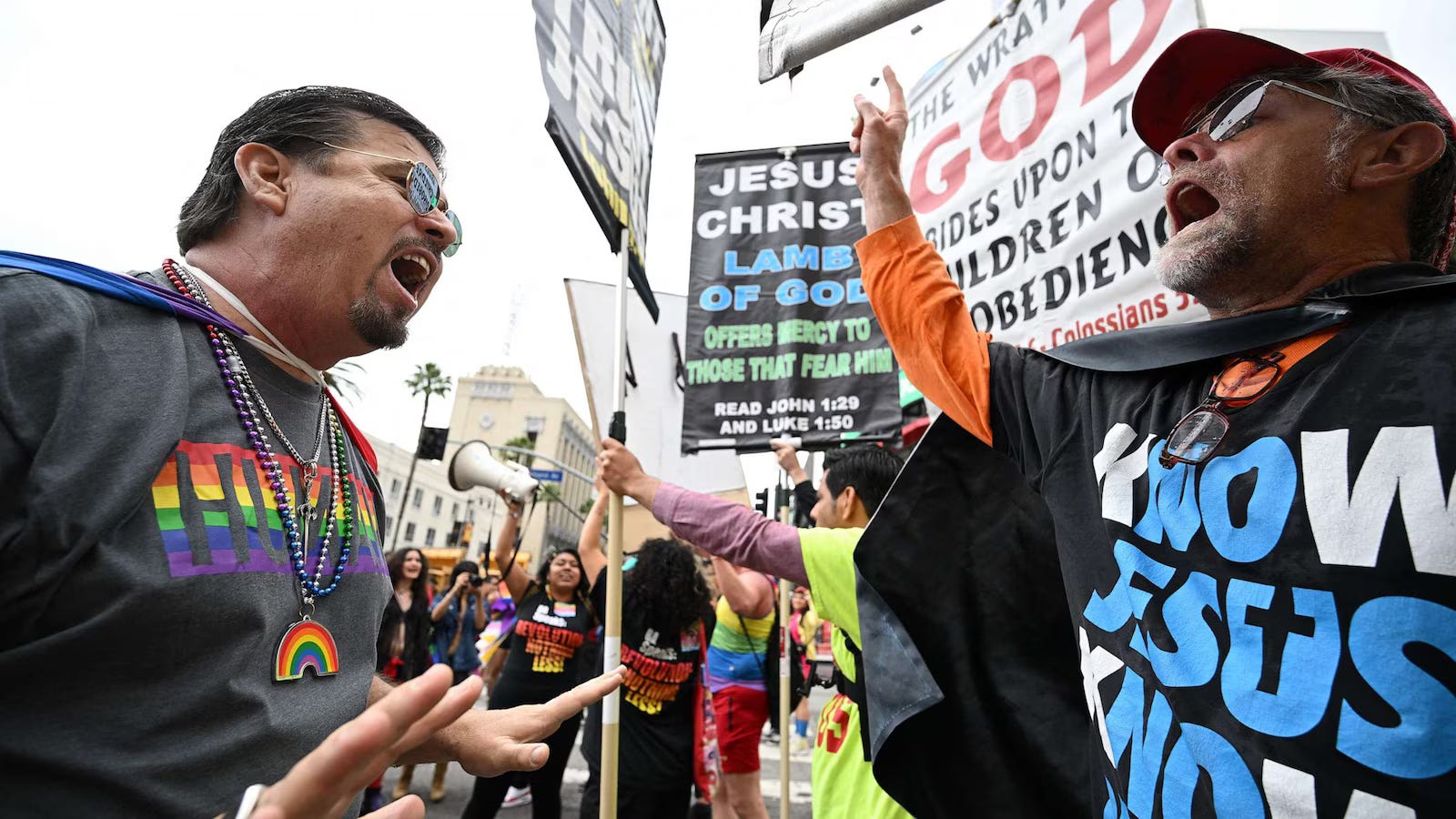
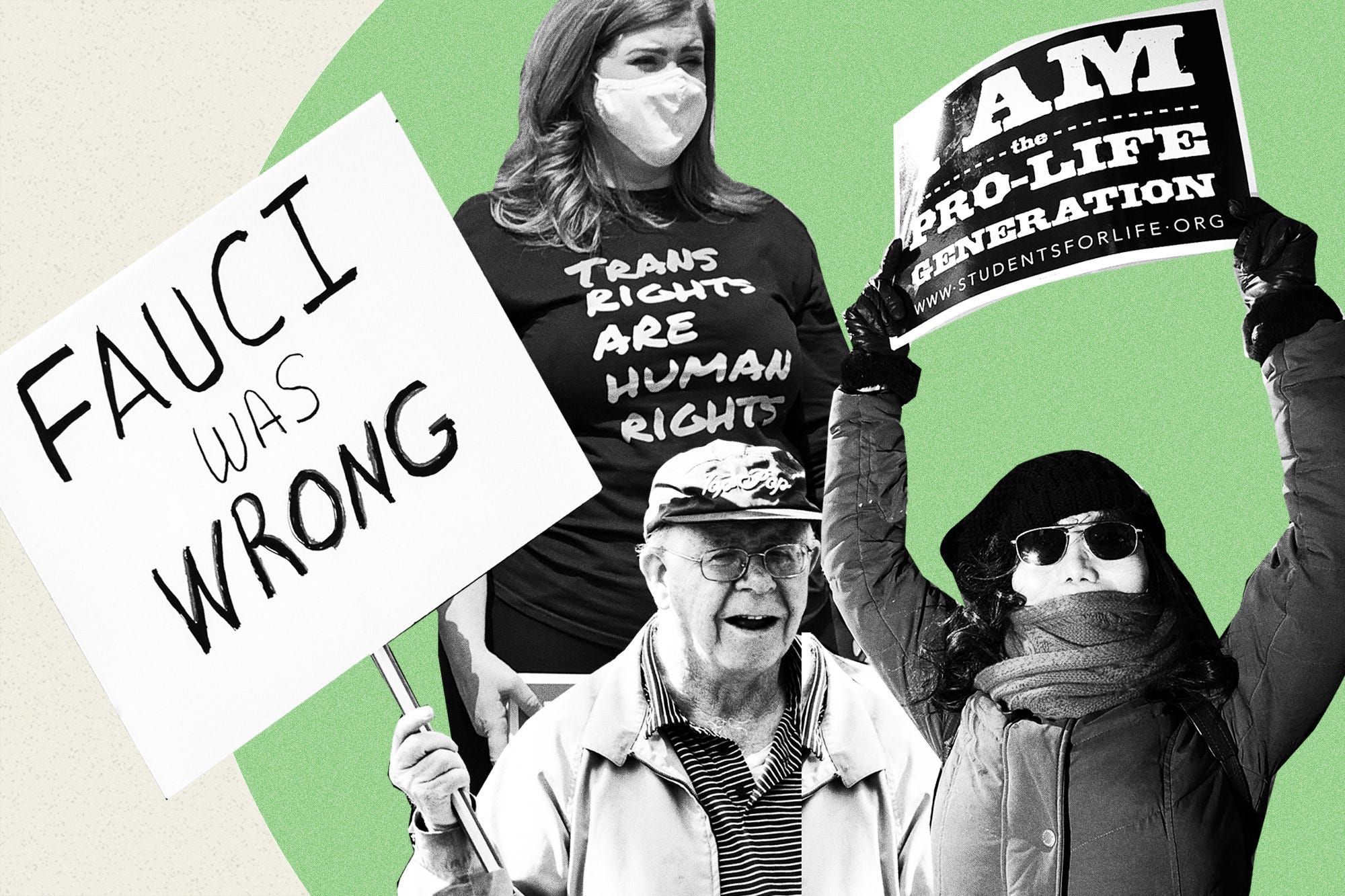
The result is a political landscape where elites debate language, symbols, and positioning, while ordinary people worry about layoffs, rent hikes, and healthcare costs. That gap is easy to feel and hard to ignore. Over time, it turns frustration into resentment.
This is how approval ratings don’t just fall. Disapproval hardens.
Immigration and the Refusal to Address Class Impact
Immigration has become another fault line. Not because voters reject immigration outright, but because Democrats have avoided discussing its class consequences honestly.
In reality, immigration policy affects low wage labor markets and strains local public services. The people who feel this first are working class communities already under pressure. When Democrats respond only with moral framing and avoid concrete governance questions, they lose on all sides. Conservatives accuse them of losing control. Progressives accuse them of bad faith. Independent voters disengage entirely.
Avoiding the class dimension doesn’t make it disappear. It just drives opposition higher.

When the Party’s Own Base Stops Defending It
The most dangerous signal in this approval collapse is not Republican hostility. It’s Democratic silence.
When a party’s own voters stop defending it, the problem is no longer communication. It’s credibility. You can still raise money and run ads, but you cannot manufacture belief. Representation breaks down quietly before it breaks down publicly.
That silence is what turns a bad poll into a structural warning.
Anti Trump Is No Longer Enough
One comment circulating online captured the moment perfectly: if Trump is this bad, Democratic approval should be soaring. Instead, it’s at 18%.
That observation matters. Opposition alone cannot substitute for policy forever. Voters want to see material improvement, limits on corporate power, and real changes in who benefits from the system. Without that, anti Trump politics starts to feel performative.
For many people, the two parties now look less like opposites and more like different management styles within the same structure.
Corporate Influence Is Structural, Not a Conspiracy
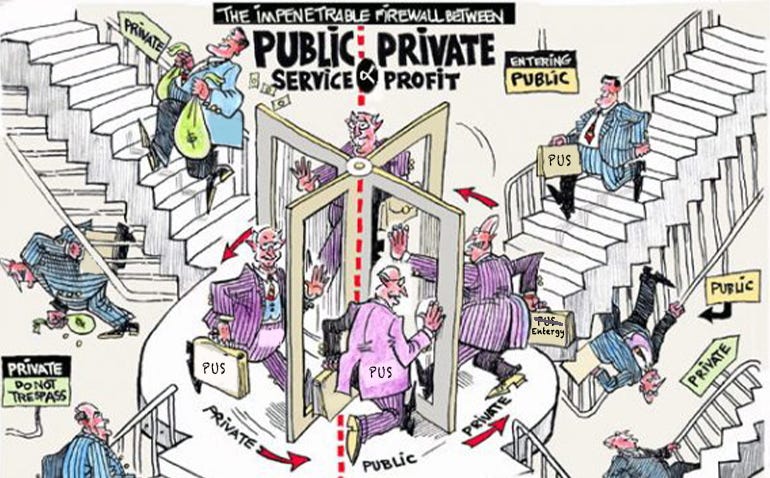
This does not require conspiracy theories. Campaign finance rules, lobbying, and the revolving door between government and industry shape political behavior by design.
The people who rise within the system tend to be those who understand how not to threaten capital. When policy consistently favors large corporations while working people receive symbolic language, voters draw their own conclusions.
The system does not center the working class. It filters them out.
What an Ideal Candidate Actually Looks Like
An ideal candidate is not complicated to define.
They must come from the grassroots, not from donor networks, consulting firms, or political packaging pipelines. They need to understand rising rent, medical debt, and wage pressure from lived experience.
More importantly, they must consistently center the working class and speak in clear class terms. Not only during campaigns. Not only when polls dip. And not by blaming “the other side” while avoiding structural responsibility.
Most people are selling their time to survive under the same economic rules. A real leader works to unite the working class across background and identity, identifies who benefits from the system, and names who writes the rules that hurt ordinary people.
Anyone unwilling to do that, regardless of party label, is not the answer.
This Is Bigger Than One Party
Democratic approval collapsing to 18% is not an accident. It reflects a deeper truth. When politics fails to deliver real change for working people, voters respond with distrust and withdrawal.
This poll is not just measuring sentiment. It is issuing a warning. If the structure remains unchanged, worse figures will keep emerging, again and again.


