

The United States has fallen into a familiar routine. Something happens, people take to the streets, slogans go viral, social media fills with rage, media outlets get their aerial shots, and politicians issue carefully worded statements. Then budgets pass, agencies keep operating, enforcement ramps up, and everyone goes back to work and pays rent. This is not because people do not care or lack courage. The harder truth is that many American protests are structured in a way that produces no consequences from the start.
The Real Problem Is Not Numbers-It Is Accumulation
Over the past decade there have been massive protests against police violence, large demonstrations against immigration enforcement, and recurring movements against war, surveillance, and inequality. Yet the outcomes barely move. Each wave starts from zero with little carryover, no durable networks, and no institutional memory that makes the next round stronger or harder to ignore. Energy burns hot and then disappears, and power simply waits it out.
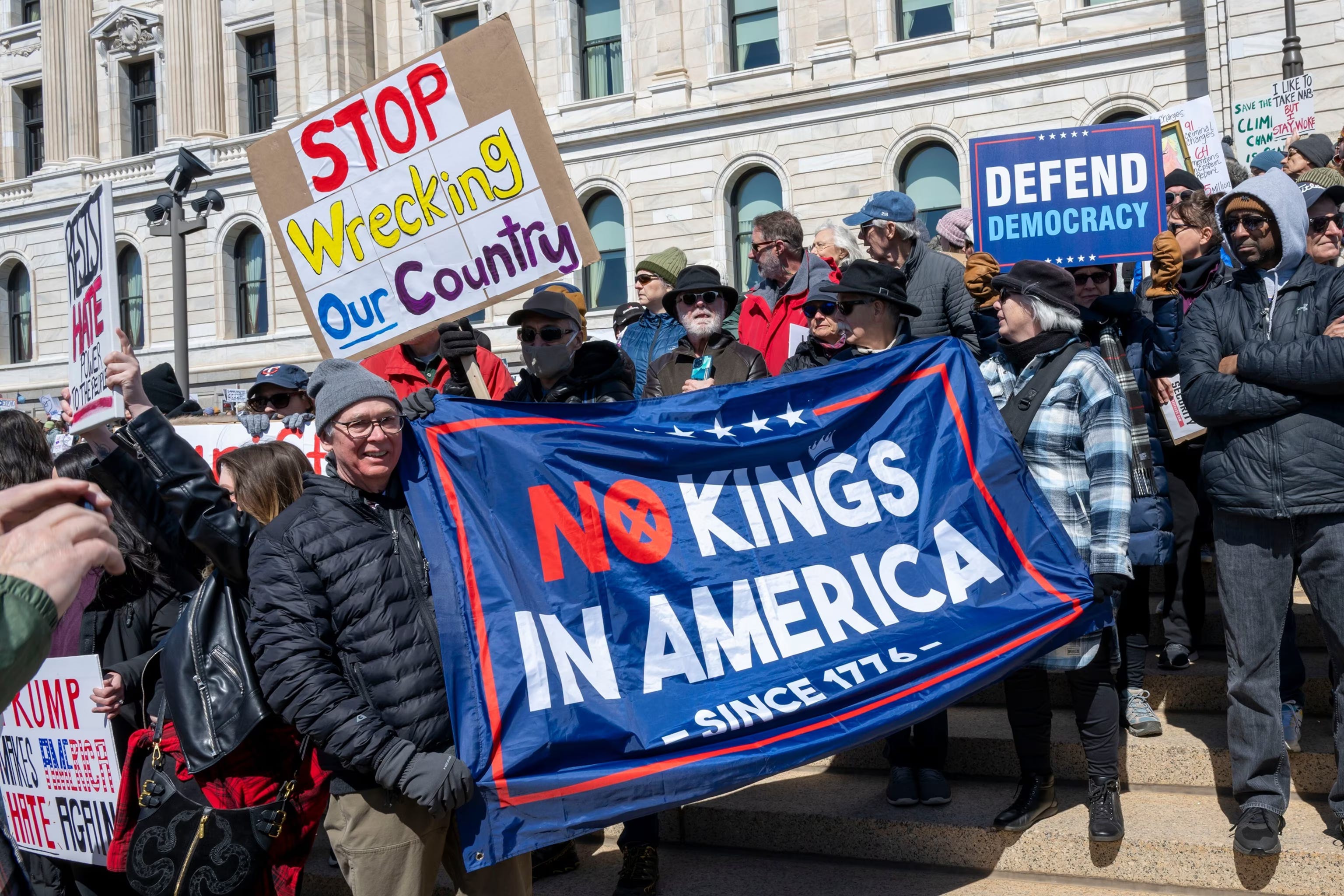
Participation Feels Political-But It Is Not Leverage
Americans are trained to confuse participation with leverage. Marching feels like pressure. Posting feels like influence. Even being outraged feels like doing politics. But participation alone does not scare power. The state responds to two things: loss of money and loss of control. If a protest does not disrupt budgets, slow operations, or create enforcement costs, it becomes background noise. It is visible, but harmless. That is why so many protests are permitted, routed, timed, and boxed in. People are allowed to express themselves inside boundaries that guarantee nothing breaks.
Why Protest Gets Treated Like an Event, Not a Campaign
The modern model is built around symbolic visibility, not sustained pressure. It creates images, not leverage. It generates headlines, not costs. And when costs never appear, the machine does not adjust. It manages optics and keeps moving. Protest becomes a weekend ritual rather than a long campaign with escalation, logistics, and consequences.
This Is Not New-Just Newly Visible
A lot of Americans talk about the country becoming authoritarian, as if this is a sudden turn. For Black communities, Indigenous communities, and immigrants, the enforcement state has always existed. Surveillance, selective punishment, aggressive policing, and political neglect are not new. What is new is who is experiencing it and who is finally paying attention. As enforcement expands into broader white liberal communities, many people experience shock, disbelief, and confusion. The system did not suddenly appear. The audience changed.
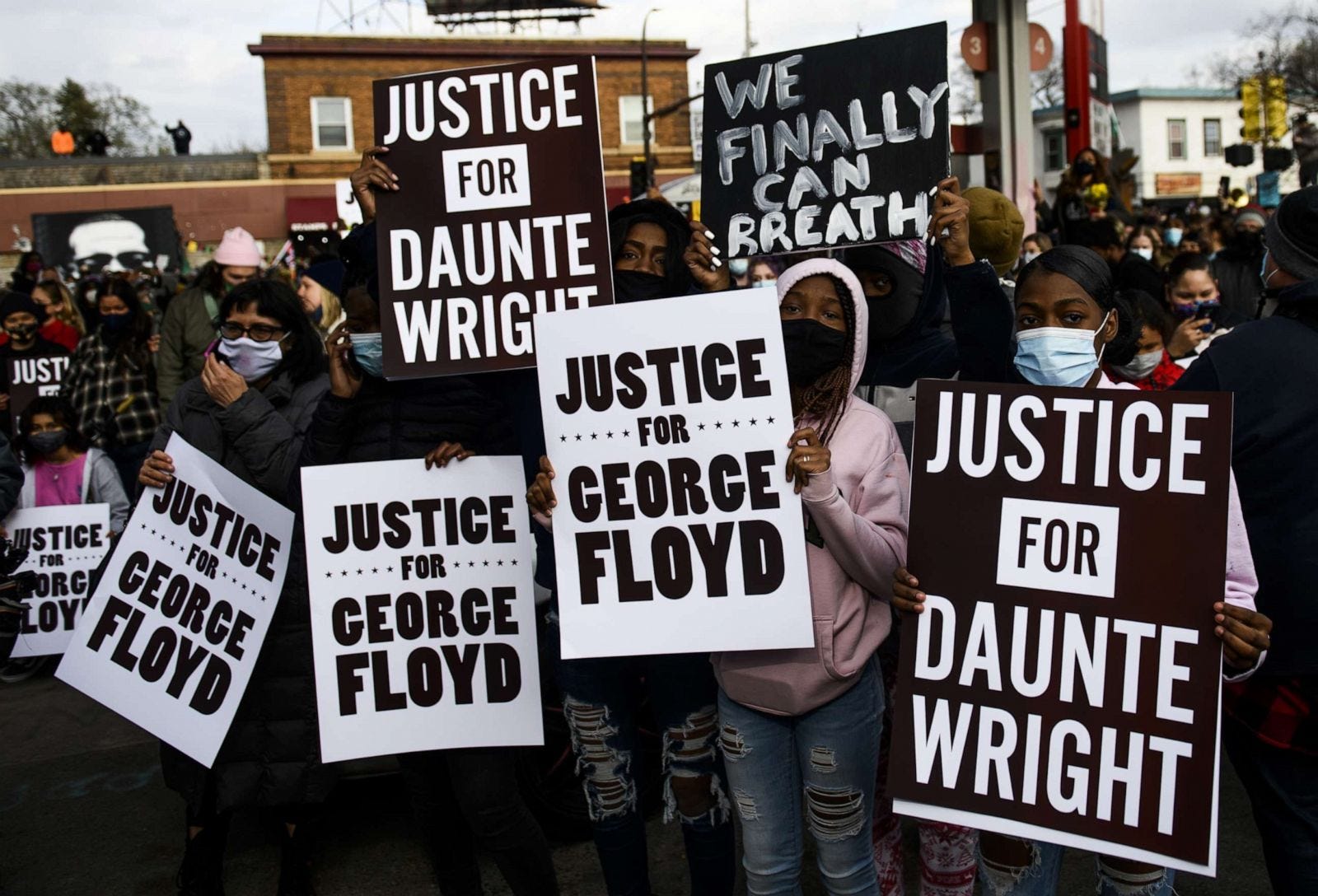
Why Minnesota Matters-The Infrastructure Under the Marches
Minnesota matters, and not because of crowd size or viral clips. The important part is what forms underneath the marches: legal support networks, mutual aid, food and supply distribution, community information sharing, and support for workers who shut down businesses or walked out. This is resistance infrastructure. It is boring, practical, and unglamorous, but it is what allows people to stay in the fight instead of burning out after a weekend.
What Leadership Actually Looks Like
Real leadership does not always look like speeches and microphones. Often it looks like logistics. A hotline number. A shared spreadsheet. A group chat that tracks enforcement movements. A lawyer on call. Volunteers bringing food to families afraid to leave their homes. Parents and neighbors watching schools and daycares. Coffee and hand warmers in brutal weather. That is what power actually notices, because that is what makes resistance sustainable.
Why Leadership Keeps Getting Filtered Out
The leadership problem is not that leadership energy does not exist. It is that leadership is filtered, suppressed, redirected, and misrecognized. Organizers get absorbed into NGOs. Threatening voices get marginalized by media. Safe figures get elevated because they inspire without directing. Anything capable of converting anger into sustained pressure tends to be pushed away from the center of attention. The system does not fear protest. It fears coordination.
Why Nothing Changes
Resistance keeps getting stuck in a loop where it stays emotional instead of operational, symbolic instead of material, visible instead of costly. People keep showing up, but the action does not escalate, does not accumulate, and does not build the kind of parallel capacity that can operate at scale against a state that already operates at scale.
What Real Resistance Requires
Real resistance is not about perfect messaging or moral purity. It is about systems: legal defense funds, strike support, independent media that does not wait for officials to speak, mutual aid networks that keep people safe and sustained, information channels that spread reality faster than propaganda, and economic disruption that imposes real costs. None of this is glamorous. None of it trends. All of it works.
Stop Waiting
If Americans keep waiting for resistance leadership to come from institutions invested in stability, they will keep waiting forever. History is consistent on this point: resistance does not begin with permission. It begins when people stop asking. The United States is not short on anger. It is short on organization. Until that changes, protests will keep happening, and nothing else will.


Minneapolis has a lot of community organization. The spread out burbs of Illinois cannot do things as easily, but we are fortunate to have a strong governor with Pritzker. We do have ICE here, though their presence is not as big or as brazen. But I realize I need to be better at knowing and being involved in my community.
This is so good. Please keep writing these.