

Anger Is Not the Same as Change
Anger can matter in politics. It can influence elections. It can help decide who controls Congress or who reaches the White House. But anger by itself does not change the structure, and that is the deeper problem. If the structure stays the same, the same crises return under different names. Faces change, slogans change, and the machine keeps running.
That is the trap at the center of American politics. The two parties present themselves as enemies, but most of the time they still operate inside the same institutional frame. Elections can rotate personnel. They do not necessarily transform the structure that produced the crisis in the first place.
That is why movements matter. A movement is one of the few forces that can push beyond elections and begin applying pressure to the system itself. From the state’s point of view, that is where politics becomes dangerous.
A Protest Is a Moment. A Movement Is Structure.
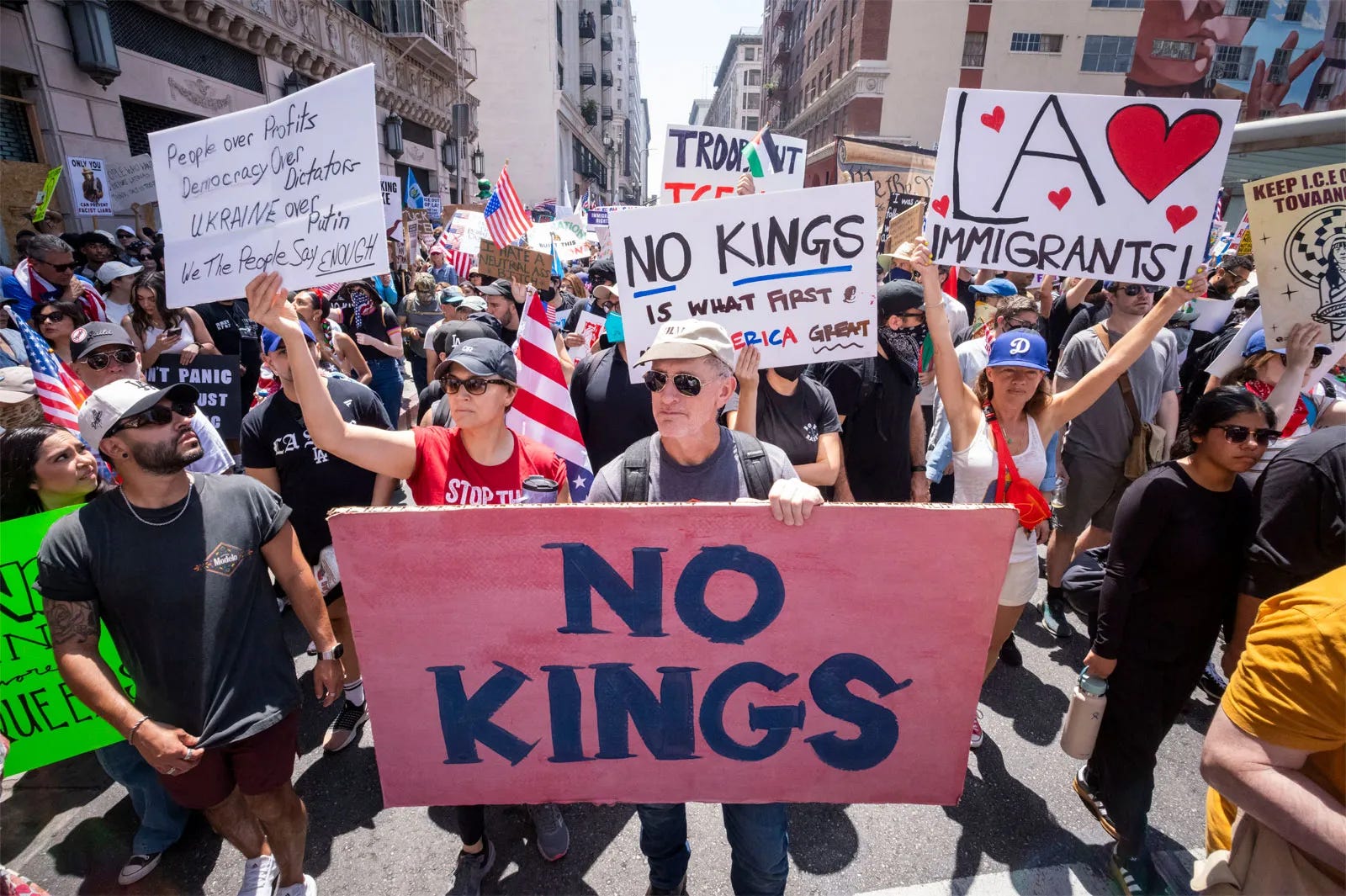
The difference is easier to see than many people want to admit. Take the “No Kings” protests in June 2025. They were large, visible, and spread across the country. That kind of turnout matters because it signals that frustration is real and broad. But turnout is not the same thing as organization.
If people gather, march, and then disperse without building local committees, leadership pipelines, legal defense, fundraising capacity, or long-term coordination, the system does not need to crush anything. It can simply wait. The weekend passes, the headlines move on, and the energy drains out. The pressure resets because no structure was built underneath it.
That is the limit of protest without infrastructure. A protest can reveal anger. A movement can accumulate capacity.
When Organization Begins, Tolerance Narrows
The reaction changes when protest starts becoming durable. In 2025, the crackdown on pro-Palestinian student organizers made that line much easier to see. Arrests, detentions, and institutional punishment were not simply responses to speech. They were responses to activism that was beginning to form networks, leadership, and continuity.
An individual expressing an opinion is one thing. An organizer who links people together, coordinates actions, and helps a movement persist is something else entirely. Once people begin functioning as connective tissue inside a political formation, the system no longer sees them as isolated voices. It sees them as potential infrastructure.
That is the point where tolerance starts shrinking. Legal scrutiny rises. Administrative pressure rises. Reputational attacks intensify. The system can live with visible outrage for a long time. What it struggles to accept is outrage that grows memory, structure, and duration.

A Weaker Social Base Is Easier to Control
The United States today is structurally weaker at building durable movements than it used to be. Union membership is down to about 10 percent of the workforce. Community institutions are thinner. Local networks that once connected working-class life are weaker, and in many places they barely function at all.
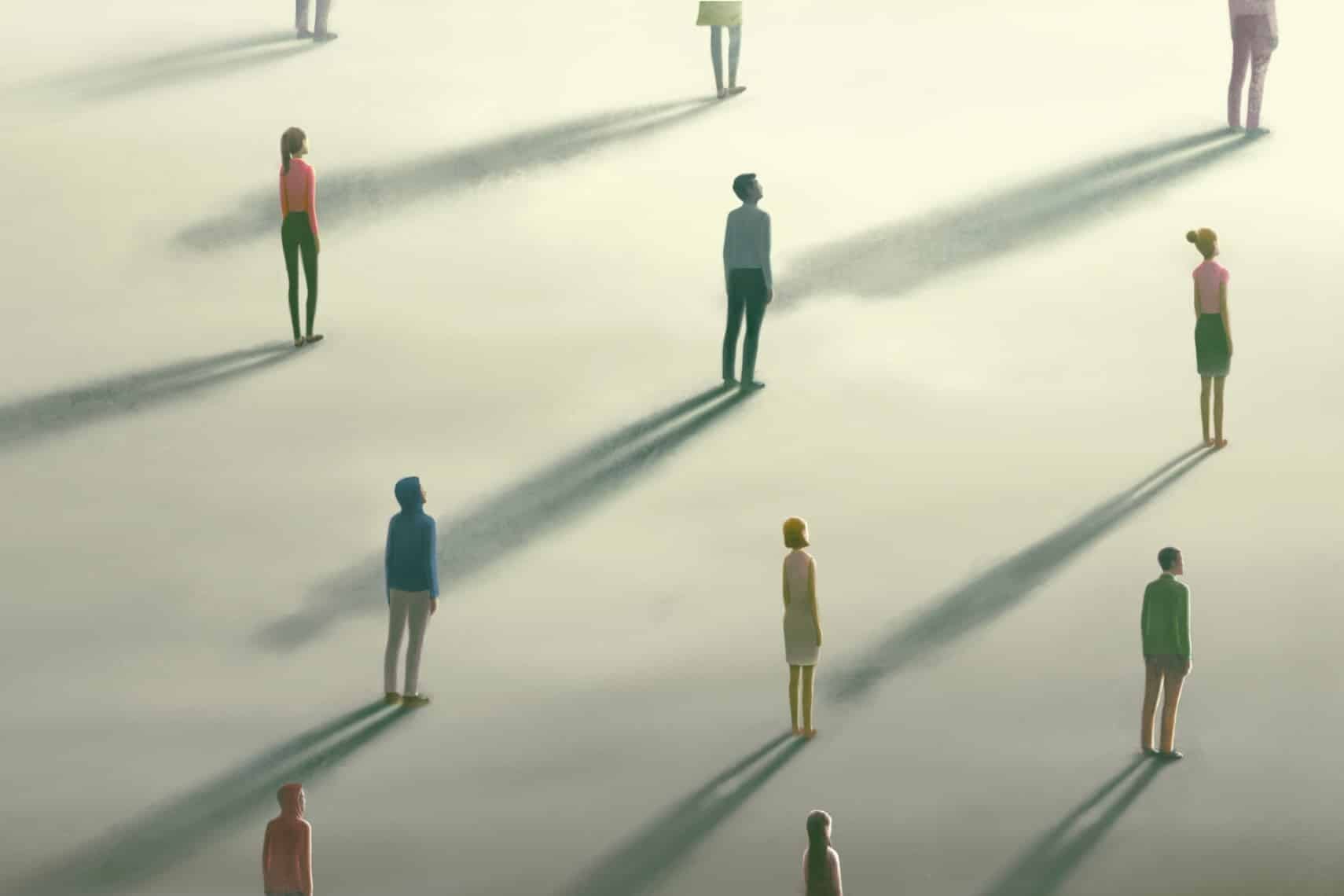
That matters because movements do not come out of nowhere. They usually grow through institutions that already exist: workplaces, neighborhoods, unions, churches, tenant formations, and community groups. When those structures weaken, frustration does not disappear. It becomes more private, more fragmented, and harder to organize.
People can feel pressure at the same time and still experience it alone. That is one of the stabilizing features of the system. It produces common strain but strips away the containers that might turn common strain into common action. At the same time, the legal environment has tightened. More surveillance, more restrictions, more institutional pressure. The pattern is clear: weaker organization below, more control above.
What the State Actually Fears
At the deepest level, this is not difficult to understand. Individual anger can be managed. Even large numbers of furious people can be managed as long as they remain politically disconnected. Organized people are different because they can build leadership, sustain pressure, coordinate action, and develop their own narratives across time.
At that point, they are no longer just reacting to power. They are beginning to generate it.
That is the threshold the state tries to prevent. The goal is not to eliminate dissent entirely. The real goal is to keep dissent fragmented, temporary, and structurally weak enough that it never matures into a serious competing force.
As long as anger stays personal, episodic, and disorganized, the system keeps the advantage. Once anger becomes organized, the balance starts to shift.
What Comes Next
If this is the problem, then more outrage is not the answer. The answer has to be organization. That means moving from expression to structure, from reaction to continuity, and from isolated frustration to collective capacity.
If you see socialist groups, labor organizers, tenant unions, or local working-class formations trying to build something real, join them. Talk to them. Learn from them. Help them grow. This is not about waiting for a perfect ideology or a flawless organization. That does not exist. Movements start small, uneven, and imperfect. Waiting for perfection is often just another way of staying isolated.
If the system remains stable by keeping people separated, then the first serious step is simple: stop being separated. That is where organized socialist work still matters. Not as a brand or a posture, but as a practical way to turn scattered frustration into structure.
Why This Matters
If you only look at elections, scandals, and daily political theater, you miss the deeper structure that determines what is actually possible. Power is defended not only through institutions, but also by shaping whether people can organize at all, whether movements can mature, and whether pressure can take lasting form.
That is the layer that matters most, because that is the layer where real change either becomes possible or gets broken apart before it starts.
Support This Work
If this piece helped put words to something you’ve already been feeling, subscribe and stay with me here. This is where I go past headlines and break down the structure underneath them - class, institutions, state power, and how the system holds together even as pressure keeps building. And if you want to support this work more directly, I’d really appreciate a paid subscription.


