

Capitalism promises that competition protects consumers, rewards innovation, and prevents monopolies. That’s the theory taught in economics classes and repeated in political speeches.
The reality: every industry follows the same pattern. Start with many competitors. A few get big. The big ones buy or destroy everyone else. Then they stop competing and start extracting.
Tech, airlines, groceries, telecom, banking, streaming, healthcare, same pattern everywhere.
This isn’t a market failure. This is capitalism’s end goal, working exactly as designed.
The Standard Playbook
Facebook bought Instagram for $1 billion in 2012, before Instagram could threaten Facebook’s photo-sharing dominance. Then bought WhatsApp for $19 billion because Facebook Messenger wasn’t good enough and WhatsApp was becoming the messaging platform Facebook couldn’t control. Google bought YouTube, Android, Waze, and over 200 other companies.
Amazon might be one of the worst offenders. Amazon uses its own platform data to see what sells, copies successful products, then pushes Amazon’s own version above the original sellers. The company that supposedly “levels the playing field” for small businesses is actively using its market position to crush them.
Apple controls the App Store, which means Apple controls who can even reach iPhone users, half the U.S. market. If your app competes with Apple’s services, good luck getting fair placement. If you won’t pay Apple’s 30% cut, you don’t exist.
The pattern is always the same:
Innovation happens at the edges, startups, small teams, people with ideas
Giants monitor constantly through data, market intelligence, acquisition scouts
Anything that works gets acquired or cloned
If you refuse to sell, they outspend you, bury you algorithmically, or cut off platform access
Your “competition” becomes: do you want some money now, or nothing later?
That’s not the free market. That’s a controlled system where the giants decide what innovation is allowed to exist.
What This Looks Like From Inside
After I graduated from university, a couple of friends and I had an idea we thought could work. We had the skills. We understood the market. We knew the niche.
Then we got warnings from people who knew how the industry actually worked: if we launched and gained any traction, there were only two paths. Get acquired by a tech giant for less than the idea was worth, or watch that giant use its resources to build a competing version and crush us.
That hesitation stopped us from moving forward.
Not because we were afraid of competition. We were afraid of competing against someone who already controlled the infrastructure, the users, the data, and had infinite capital. That’s not a market. That’s a toll system.
What Actually Gets to Survive
Some startups do succeed. But look closer at which ones.
The startups that survive are:
Operating in markets the giants don’t care about yet
Building something the giant wants to acquire, not kill
Willing to be absorbed eventually
Not actually threatening the monopoly’s core business
Zoom survived because video conferencing wasn’t yet critical to Google or Microsoft’s dominance. Then the pandemic hit. Now Microsoft Teams is bundled free with Office subscriptions. Zoom’s growth slowed. That’s not coincidence.
Spotify survived because Apple didn’t prioritize music streaming early enough. Now Apple Music is bundled into the Apple ecosystem with better integration, lower fees, and platform advantages Spotify can’t match. Spotify’s CEO has spent years fighting Apple in regulators’ offices, not just in the market.
The innovation that threatens monopolies never reaches the market. Only innovation that extends them does. Everything else gets bought or buried.
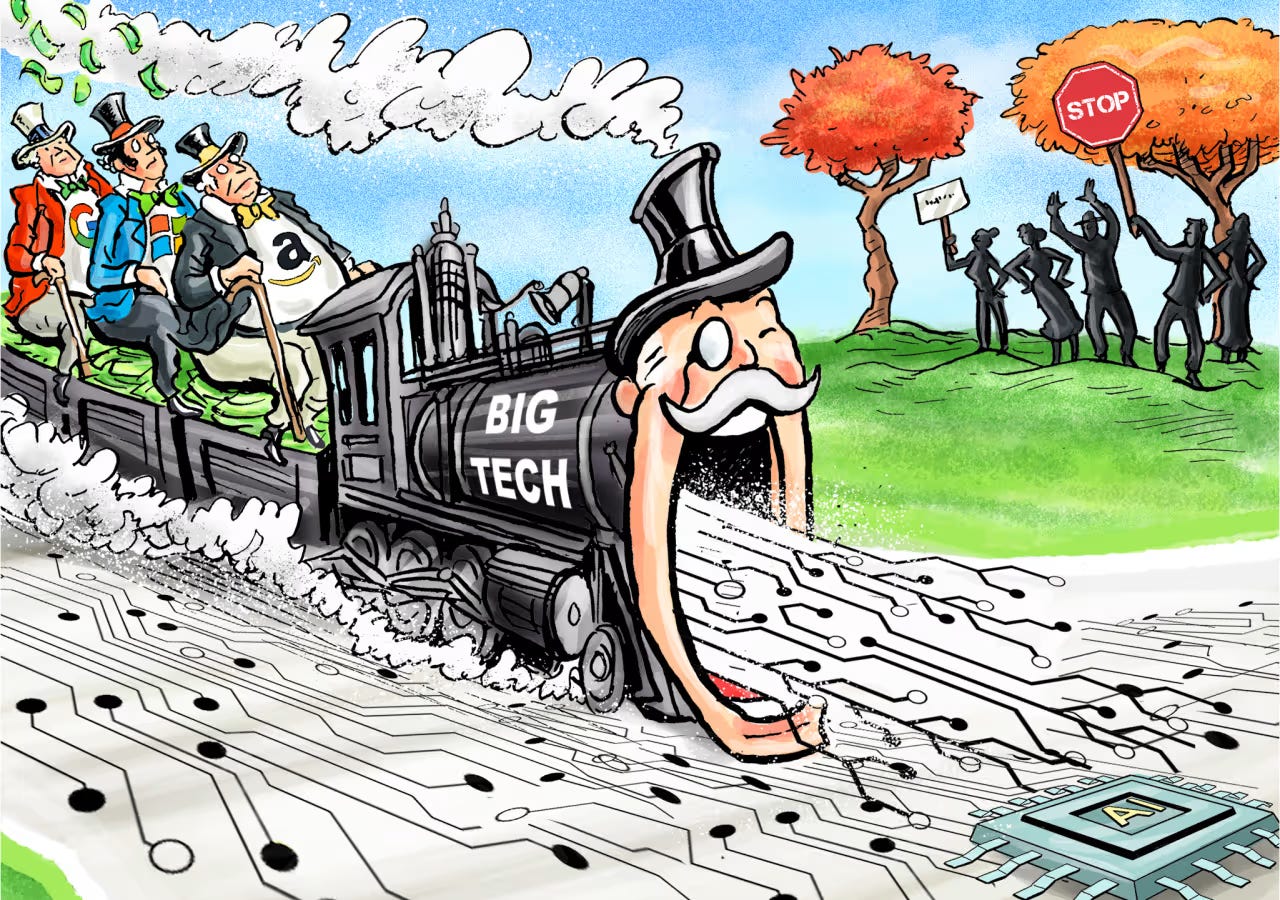
The Part People Ignore: Who Actually Funded Innovation
Here’s what gets left out of the “capitalism drives innovation” story: a lot of that innovation wasn’t created by private capital alone. The public paid for the risk. Then corporations stepped in when the technology became profitable.
The internet? Government project. GPS? Government project. The technology in your smartphone? Much of it came from publicly funded research. NASA developed technology that private companies later used for profit. The Manhattan Project was publicly funded. Semiconductors, aviation, computing, all of it depended heavily on public research and government investment.
Private corporations didn’t take the risk. They didn’t fund the decades of uncertain research. The public did.
Then, once the technology worked and became profitable, corporations stepped in. They patented it. Packaged it. Monopolized it. And sold it back to the public.
Socialize the cost. Privatize the profit. Then call it capitalism.
The Counterargument Doesn’t Hold
“But acquisition is good! Founders get paid! That’s success!”
Is it? You get acquired at below-market value because the alternative is destruction. That’s not a negotiation. That’s a hostage situation with a payout. And after acquisition, most products either die or get absorbed into the monopoly’s control. Instagram became ad-heavy and algorithm-driven like Facebook. WhatsApp got monetization pressure despite promises it wouldn’t.
The innovation didn’t flourish. It got captured.
“But this is just efficient capitalism! The best companies win!”
The best-capitalized companies win. There’s a difference. Amazon didn’t win retail because it had better service. It won because it could lose money for 15 years while Borders, Circuit City, and ten thousand independent stores couldn’t. That’s not merit. That’s endurance funded by investor belief that monopoly was coming.
How the System Actually Works
Capitalism’s core promise is that competition creates better products, lower prices, and more innovation. But the actual incentive structure works in reverse.
Every corporation wants monopoly power. They just don’t call it that. They call it “market leadership” or “platform dominance” or “ecosystem control” because those phrases sound better in earnings calls and regulatory hearings.
The system doesn’t reward the best idea. It rewards the biggest player. And once you’re big enough, you don’t have to outcompete anyone anymore. You just wait for someone smaller to innovate, then decide: acquire or destroy.
That’s the business model working exactly as designed.
Amazon’s retail dominance didn’t happen because they out-competed everyone fairly. It happened because they could afford to lose money longer than competitors could afford to stay alive. Facebook’s social media monopoly didn’t happen through better products. It happened through buying Instagram and WhatsApp before they could become real threats. Google’s search dominance isn’t maintained through competition. It’s maintained through default deals with Apple and Android that cost billions but lock out competitors before users ever see them.
The invisible hand doesn’t create endless competition. It creates concentration. Once capital reaches a certain scale, it stops competing in markets and starts controlling them.
What That Means for Everyone Else
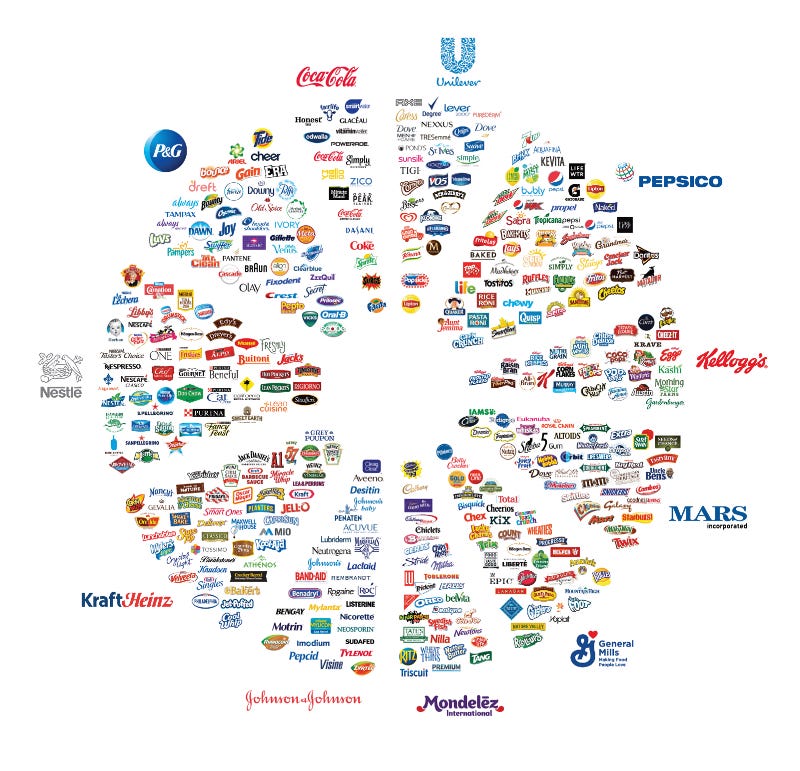
When three companies control 80% of a market, they don’t need to compete on price or quality anymore. They just need to not lose to each other. That’s why your phone bill stays high. Why airline seats keep shrinking. Why streaming services all raise prices at the same time. Why healthcare costs rise faster than inflation. Why grocery prices keep climbing even as grocery chains report record profits.
The competition that’s supposed to protect you already ended. You just didn’t notice because it happened before you needed an alternative.


The government should be more pro-small business - lower taxes and reduce restrictions for small businesses, mom-and-pop shops, and startups. It should also provide subsidies for startups and broader tax incentives to help businesses grow instead of burying them under regulations and costs.
When I see a new post from you I've come to know I will be reading a unique perspective. Thank you for not repeating what everyone else seems to be writing about.