

The Crisis Is Already Here
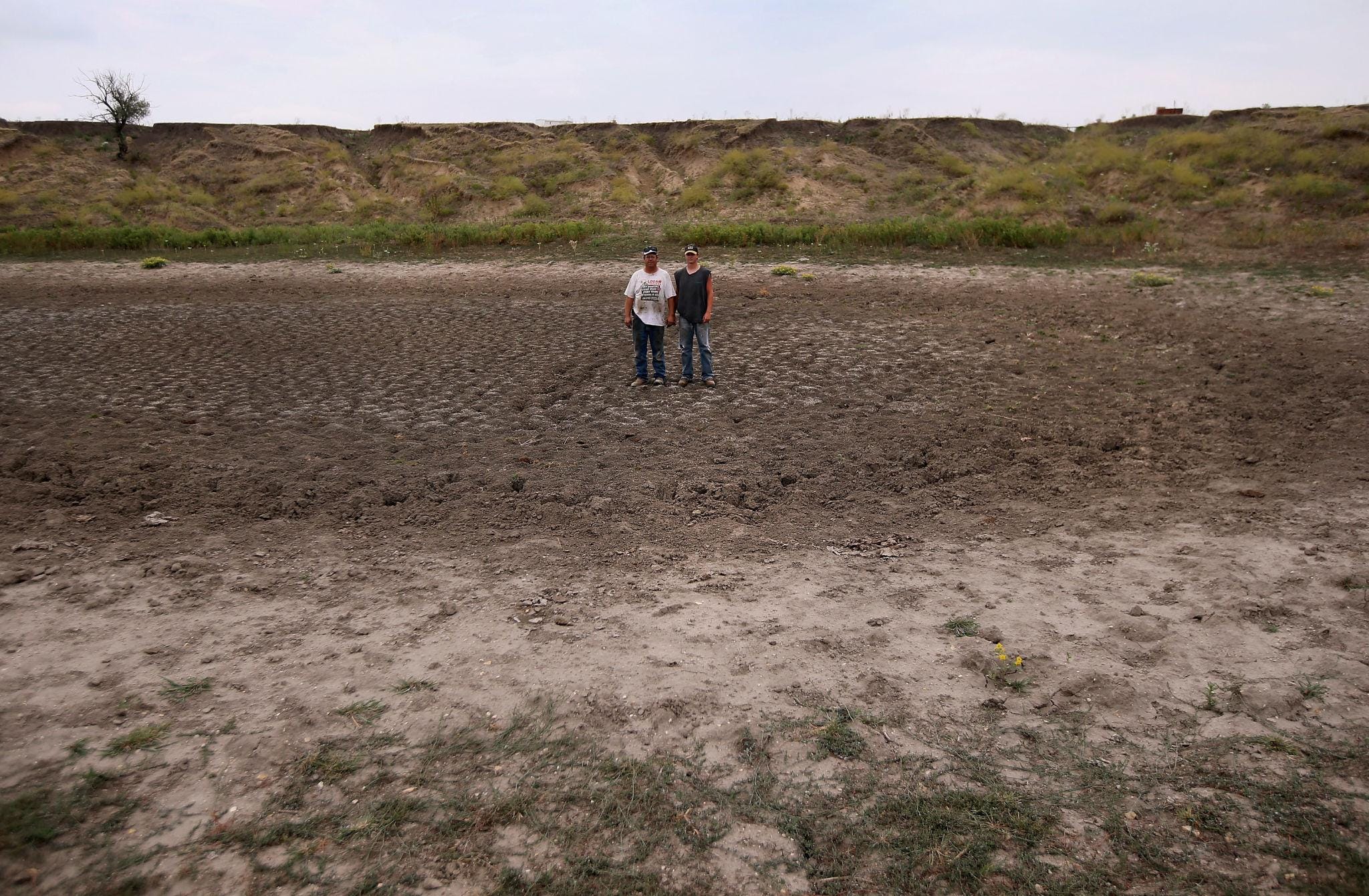
The United States is not facing empty grocery stores. Food is still available, and from the outside, the system still looks stable. But underneath that surface, farmers are being squeezed hard.
Recent survey data shows that roughly 70 percent of American farmers say fertilizer has become so expensive that they cannot secure everything they need for the full planting season. Nearly 60 percent say their financial situation is getting worse. Farm bankruptcies also rose sharply in 2025, while thousands of farms have disappeared from the system in recent years.
This is not just an agricultural story. It is a warning sign about the entire food system.
Fertilizer Is Where the Pain Starts
Fertilizer is not a simple farm supply. Nitrogen fertilizer depends heavily on energy, especially natural gas. When energy prices rise, fertilizer prices follow.
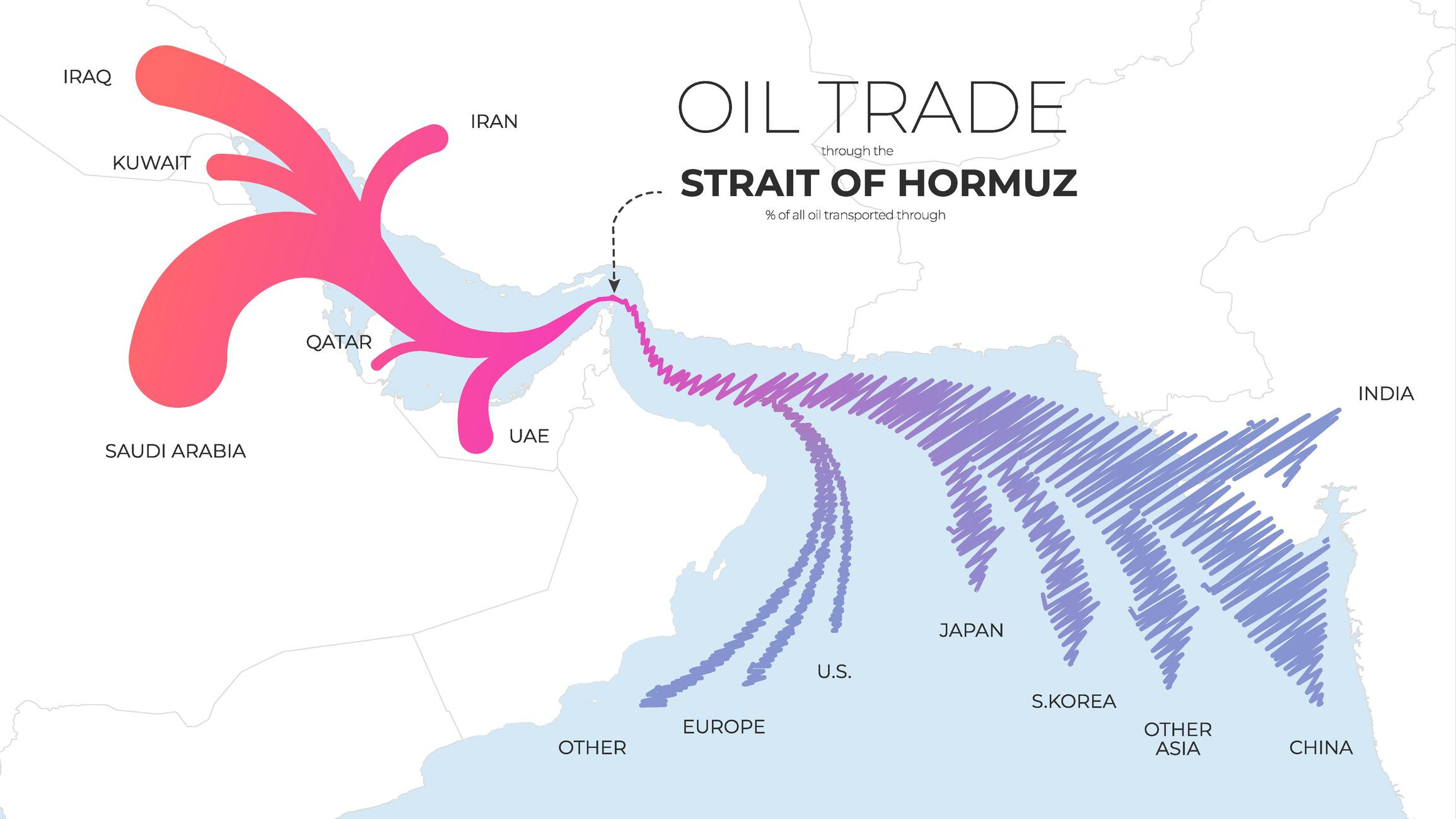
That is why conflict in the Middle East matters to American farmers. A war does not need to touch American soil to hit American agriculture. It only needs to move through oil, natural gas, shipping, insurance, and fertilizer prices.
By the time the cost reaches the farmer, the political speeches are over. The bill is real.
Farmers Are Being Forced Into Bad Choices
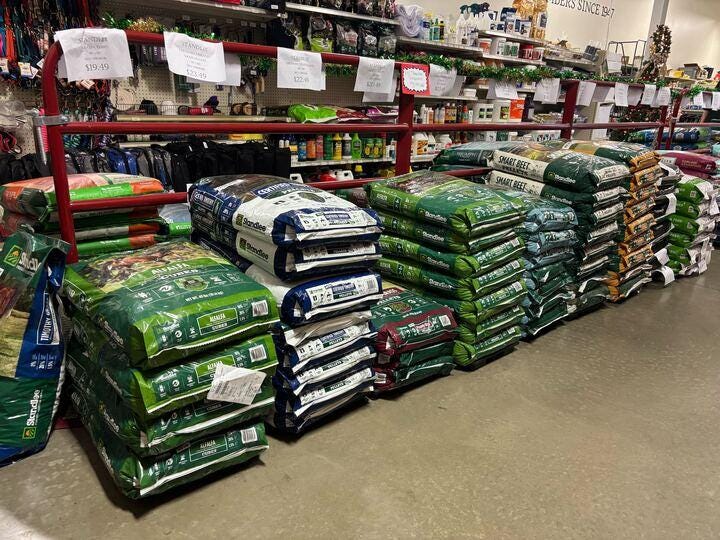
When fertilizer gets too expensive, farmers do not have many good options. They can reduce fertilizer use and risk lower yields. They can borrow more money and take on more debt. Or they can keep planting at a loss and hope prices improve later.
None of these choices solve the problem. They only delay the damage.
This is how farms disappear. Not all at once, not in one dramatic collapse, but slowly, through rising costs, bad margins, debt pressure, and one impossible season after another.
War Costs Always Travel Downward
The people who make the decisions are not the ones paying the price.
Energy companies can pass costs forward. Fertilizer companies can protect margins. Banks still collect interest. Agribusiness giants still control the supply chain.
Farmers are left holding the risk.
And after farmers, the pressure moves to consumers. Less production, higher costs, and weaker farm stability eventually show up in grocery prices. People may not connect a war overseas to higher food costs at home, but the chain is there.
A Message to American Farmers
Many American farmers voted for Trump because they wanted protection, lower costs, and a government that actually cared about them. Instead, they got trade disruptions, higher input costs, tariff pressure, and now the cost shock from another Middle East war.
That does not mean farmers are the enemy. It means they were used.
The system gave them culture war language while the economic structure kept squeezing them. It told them who to hate, but not who was taking their money.
Farmers are not outside the working class. They are part of it. They work, they take risks, they produce something essential, and they still do not control the price of what they need or the price of what they sell.
Do Not Divide Workers From Farmers
It is easy for urban liberals to mock rural voters. It is also useless.
Mocking farmers does nothing to change the system. It only makes the divide deeper. And that divide is exactly what the ruling class needs.
Farmers, warehouse workers, truck drivers, factory workers, service workers, and consumers are all connected by the same structure. Everyone is being squeezed from a different angle.
The farmer gets hit by fertilizer prices. The worker gets hit by rent. The consumer gets hit at the grocery store. The bank, the energy company, and the supply chain giant keep collecting.
That is the real map.
Why China Is Less Exposed
China is not immune to global shocks, but its fertilizer system is less exposed in key areas. China’s urea production relies more on coal-based processes rather than natural gas, which reduces direct dependence on global natural gas price swings.
China also has stronger state coordination around spring planting, fertilizer supply, transportation, and price stability. That does not make every problem disappear, but it gives the system more tools to stop external shocks from fully crushing farmers.
This comparison matters because food security is not just about land. It is about energy, industry, transportation, and state capacity.
The Real Food Crisis
America is not running out of food today. But it is losing the people who produce food, and that is where the real danger begins.
When farmers cannot afford fertilizer, take on more debt, face bankruptcy, or leave the land altogether, the food system becomes weaker long before the shelves look empty. Most people only notice the crisis when prices rise at the grocery store. By then, the damage has already moved through the chain.
A war overseas raises energy costs. Higher energy costs raise fertilizer costs. Higher fertilizer costs push farmers deeper into debt or force them to cut production. Eventually, fewer farms and weaker production show up as higher food prices for everyone else.
That is the part most mainstream coverage misses. This is not just an agriculture story. It is about how costs move downward in this economy, until ordinary people are left paying for decisions they never made.
If this article helped you see that chain more clearly, subscribe to keep reading. Paid subscribers help me go deeper into the systems behind the headlines, not just the headlines themselves.


