

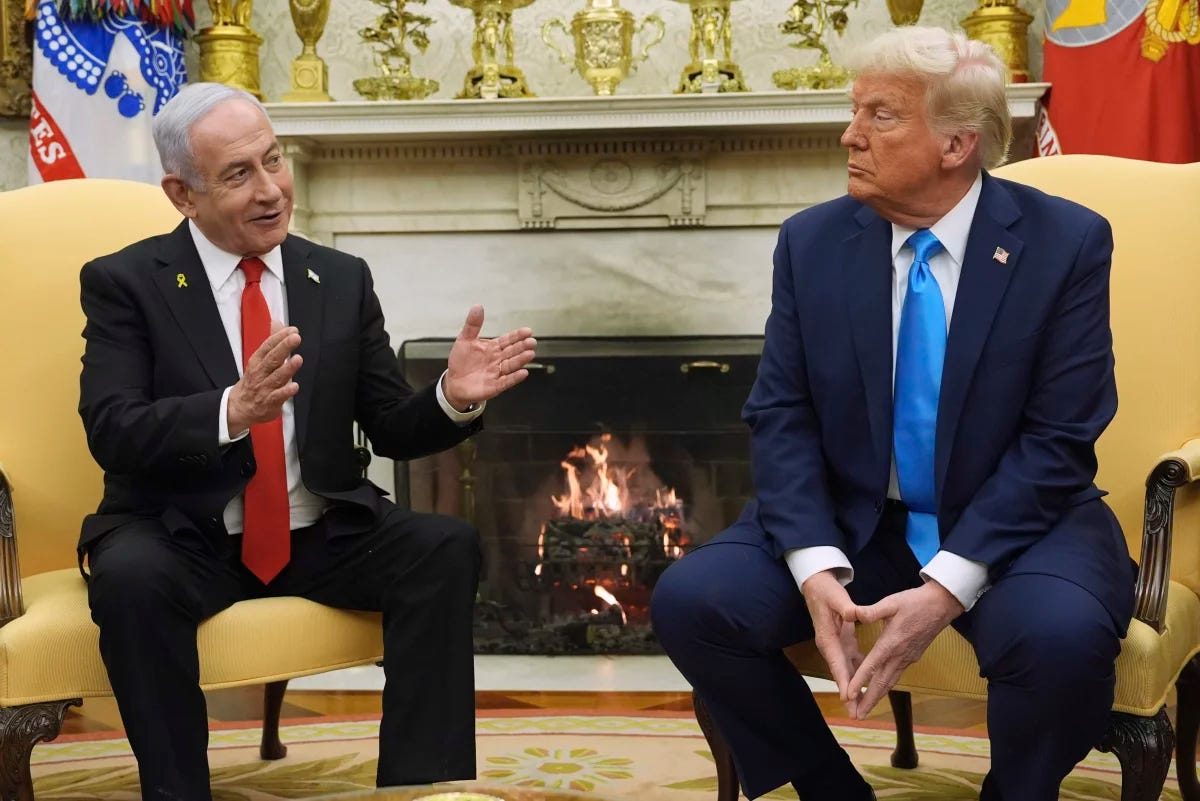
Recent reporting suggests that part of Israel’s calculation in attacking Iran was not only to weaken it militarily, but to create the conditions for internal upheaval. This was not just about hitting targets or damaging infrastructure. It was also about producing a political reaction inside Iran, as if enough pressure from above would make the system crack from below.
I think that assumption tells us everything we need to know.
What failed here was not simply a war plan. It was a political fantasy - the belief that outside violence can produce the exact internal breakdown foreign powers want. That idea keeps coming back because it is simple, emotionally satisfying, and flattering to power. It tells decision-makers they do not need to understand a society. They only need to strike it hard enough.
But that is not how politics works.
External attack does not create rebellion. It narrows the space for it.
A lot of Western commentary still refuses to deal with a basic fact. In normal times, we keep hearing that “the people” are always ready to rise up against repression. But the moment a country is attacked from the outside, that assumption quietly shifts into something else: the idea that war will somehow accelerate liberation.
If you actually stop and think about it, that makes no sense.
When a country is under external attack, internal dissatisfaction does not automatically turn into rebellion. More often, it gets compressed. People who may distrust or even hate their government do not suddenly align with the force that is bombing them. Once war begins, priorities change. Survival, sovereignty, and collective defense move to the front.
That shift matters. Internal political anger does not disappear, but it gets pushed beneath a more immediate contradiction. Under those conditions, war usually narrows political space rather than opening it. It strengthens the logic of emergency, gives security institutions more legitimacy, and makes dissent easier to suppress.
So the problem is not that Iranians failed to follow the script imagined from the outside. The problem is that the script itself was foolish.
Iran is not a hollow regime waiting to collapse
The second mistake is structural. Too much of the outside analysis still treats states as if they are little more than a handful of leaders and command structures. Under that logic, once enough visible figures are removed, the rest of the system is supposed to fall apart.
But that is not how modern states function, especially not states that have spent decades under pressure.
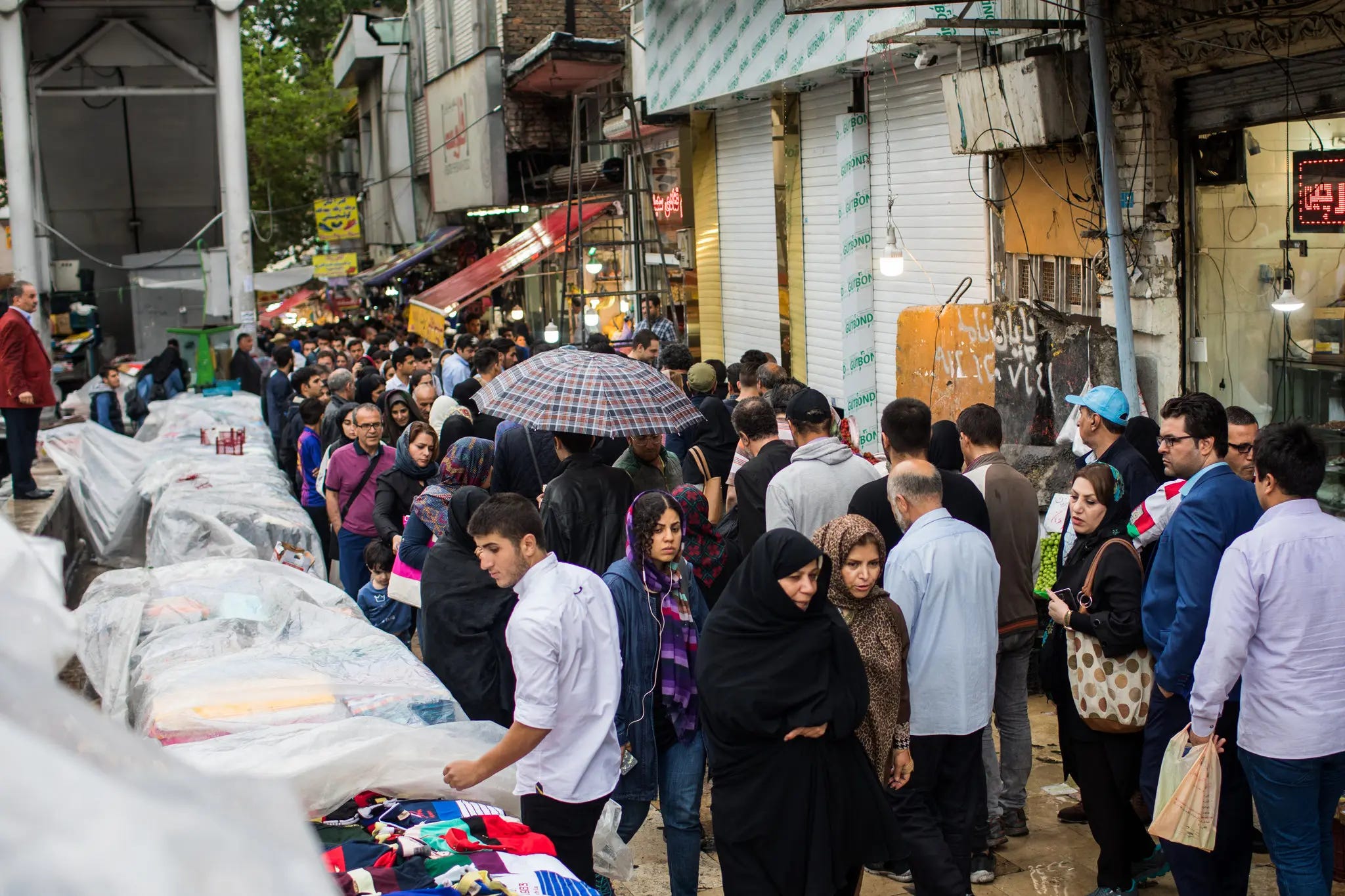
Iran is not a soft political system built for peacetime stability. It is a state shaped by sanctions, sabotage, infiltration, and constant threat. Its security institutions, clerical networks, local authority structures, and coercive mechanisms were formed under those conditions. That does not make the system invincible, but it does mean that fantasies of quick collapse were never grounded in reality.
This is where I think a lot of outside analysis becomes childish. It confuses visible leadership with actual state capacity. It sees the top of the structure and assumes the whole structure is just as fragile. But states are held together by institutions, habits, incentives, bureaucracy, and the ability to reproduce authority under stress. Once you understand that, the idea of bombing a few targets and waiting for the system to unravel stops looking like strategy.
This was not just a miscalculation. It was arrogance.
Calling this a miscalculation is too soft.
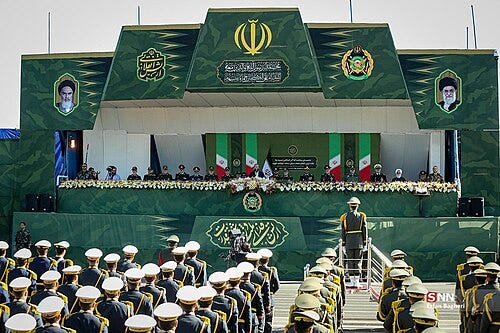
A miscalculation sounds technical, as if someone just got the forecast wrong. What we are looking at is political arrogance. It is the belief that outside powers understand another society better than the people living inside it. It is the assumption that civilians under attack will interpret foreign violence as opportunity rather than threat.
We have seen this mindset before. Iraq. Libya. Afghanistan. Different contexts, same underlying belief: destabilize the top, create enough pressure, and politics below will move in the direction you want.
But politics does not work that way. Societies are not machines, and war is not a shortcut to legitimacy.
The decapitation fantasy keeps surviving reality
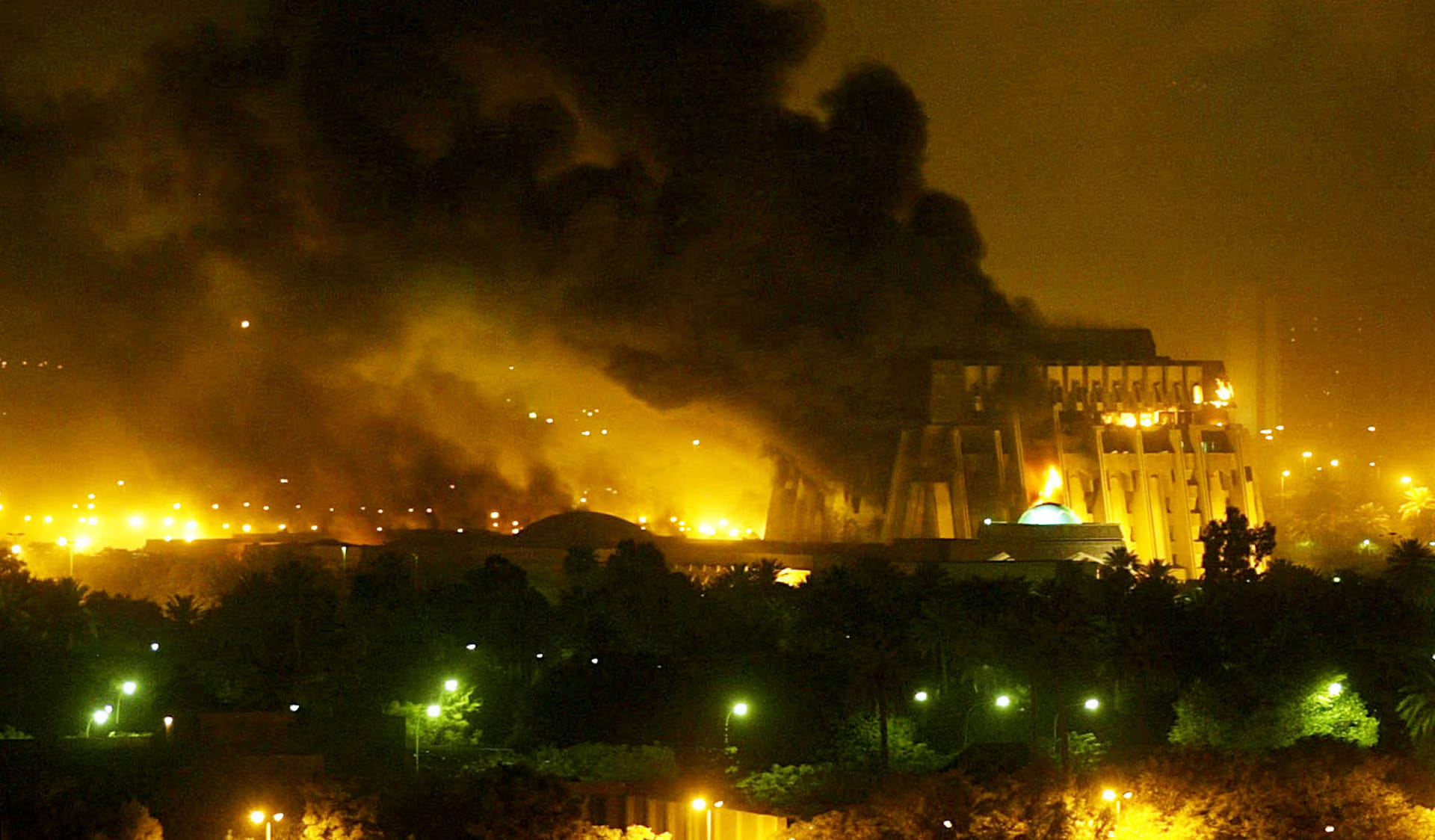
This is also why the idea of “decapitation” keeps coming back. Too many people still think about politics in simplified, almost cartoon terms. Remove the leader, destroy the center, and the system is supposed to collapse.
That is surface-level thinking.
Modern states are layered systems made up of institutions, fiscal control, coercive power, bureaucracy, ideology, and local administration. Individuals matter, but systems are built to survive individuals. In some cases, striking at the top only pushes the state into a more concentrated and defensive form.
So it is not enough to say that Israel misread Iran. The deeper problem is that this entire way of thinking misreads how power works.
And this logic is already being aimed elsewhere
And this does not end with Iran. You can already see the same logic being aimed at Cuba: squeeze the country from outside, make life harder, and hope the population does the regime-change work for you.
That is not strategy. That is imperial laziness.
It is the same old fantasy that pain will automatically produce politics in the direction Washington wants. History keeps disproving it, and yet it keeps coming back in slightly different forms, as if repetition can turn failure into success.

What this should force people to confront
To me, this is bigger than Israel or Iran.
What it really exposes is how much Western strategic thinking still mistakes force for understanding. War does not automatically create liberation. External attack does not automatically open space for dissent. In many cases, it hardens the state and closes that space down.
So this failure was not just about bad execution. It came from a bad theory - the belief that a society can be broken from above and then redirected from outside.
That belief survives because it flatters power. It tells people that bombs can do the work of politics.
They cannot.
If you found this piece useful, subscribe and stay with me here. And if you want to support this work more directly, please consider upgrading your subscription. I would genuinely appreciate it. That support gives me more room to keep writing, keep digging deeper, and keep building this kind of analysis.


Excellent analysis.