

A lot is happening at once, and the pieces are easy to lose when every development arrives as its own headline. This briefing pulls those pieces together and focuses on what is actually changing in the war. If you find this useful, subscribe and stay with me. And if you want to support more of this work, consider upgrading your subscription.
Saudi Arabia Expels Iranian Military Personnel
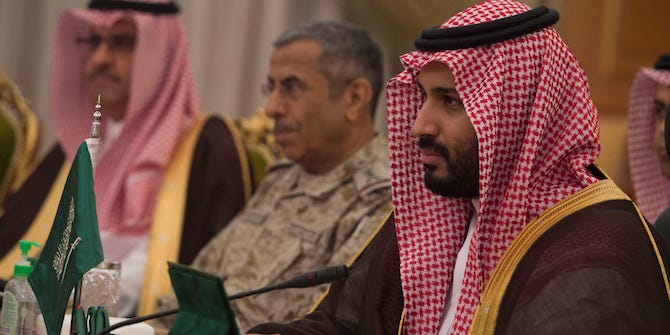
Saudi Arabia ordered Iran’s military attaché, assistant attaché, and three other diplomatic staff to leave the country within 24 hours. The Saudi government said Iran’s repeated attacks were unacceptable and warned that continued aggression would have serious consequences for current and future relations.
This matters because it shows the war is not staying confined to direct strikes between Israel and Iran. It is now putting pressure on diplomatic relations across the Gulf. Saudi Arabia is making it clear that Iran’s military actions are not just a battlefield issue. They are now becoming a regional political liability.
Iranian Missiles Hit Southern Israel and Expose Air Defense Limits
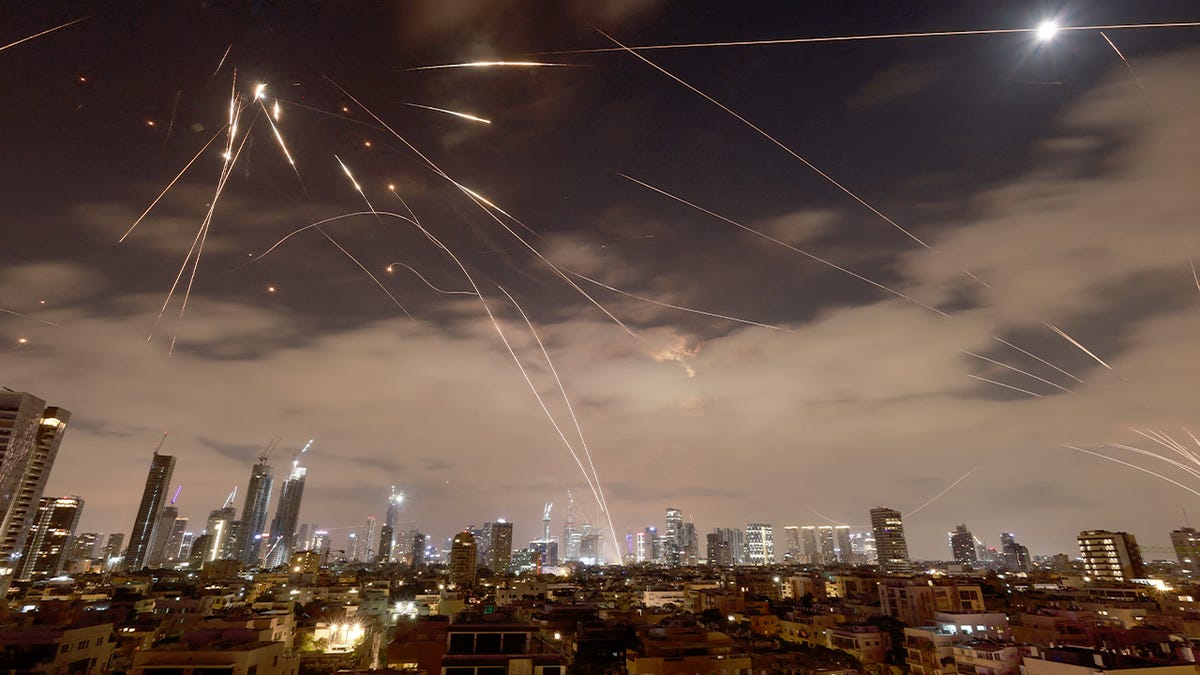
Iranian missiles struck Dimona and Arad, injuring more than 100 people. Israeli media reported that two interception attempts failed, and the strikes landed near highly sensitive areas, including the vicinity of the Dimona nuclear site. The IAEA later said there were no signs of damage to the nearby nuclear research center and no abnormal radiation levels.
This is important because it breaks the illusion that Israeli air defense can simply absorb everything. Once missiles start getting through near strategic infrastructure, the war enters a more serious phase. This is no longer just about launching strikes. It is about proving that key sites can actually be reached.
The War Is Moving Closer to Nuclear Infrastructure
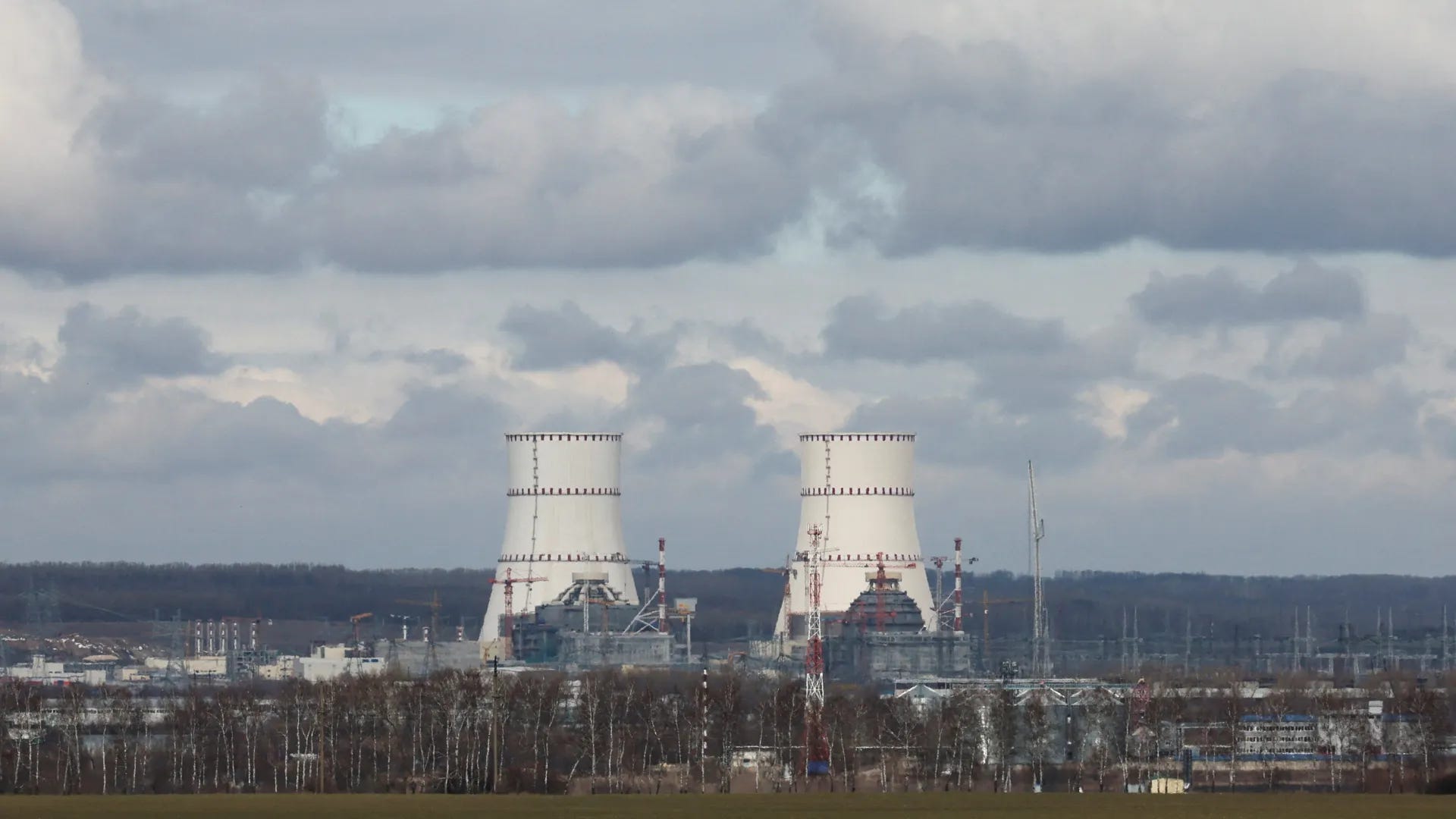
Iranian media reported that the Natanz enrichment site was struck earlier, while the Pentagon refused to comment and Israel denied involvement. At the same time, the strike near Dimona pushed attention back onto Israel’s own nuclear-sensitive infrastructure.
This is where things get especially unstable. Once the war starts brushing up against nuclear facilities on both sides, the margin for error gets much smaller. And there is another point here. Iran’s nuclear program has been used for years as the permanent justification for pressure and escalation. Netanyahu has been warning for years that Iran was always just weeks or months away from a bomb. Somehow it is always urgent, always imminent, and never quite arrives. That is why the nuclear issue now looks less like the full reason for the war and more like a convenient objective the U.S. can use to claim success. If Trump can say the nuclear program was crippled, that gives him a stepping stone to step back and say the original mission was completed.
Trump Threatens Iran’s Power Grid, and Iran Responds in Kind
Trump said the U.S. could strike Iran’s power plants if Iran did not fully reopen the Strait of Hormuz. Iran then warned that if its fuel and energy infrastructure were attacked, it would target the energy systems, information networks, and desalination facilities of the U.S. and its allies across the region.
That is a major escalation in the type of targets being discussed. This is no longer just about military sites. Once both sides start openly talking about power, water, and wider civilian infrastructure, the logic of the war changes. It starts looking less like a limited military campaign and more like an attack on the functioning of society itself.
Hormuz Remains the Real Pressure Point
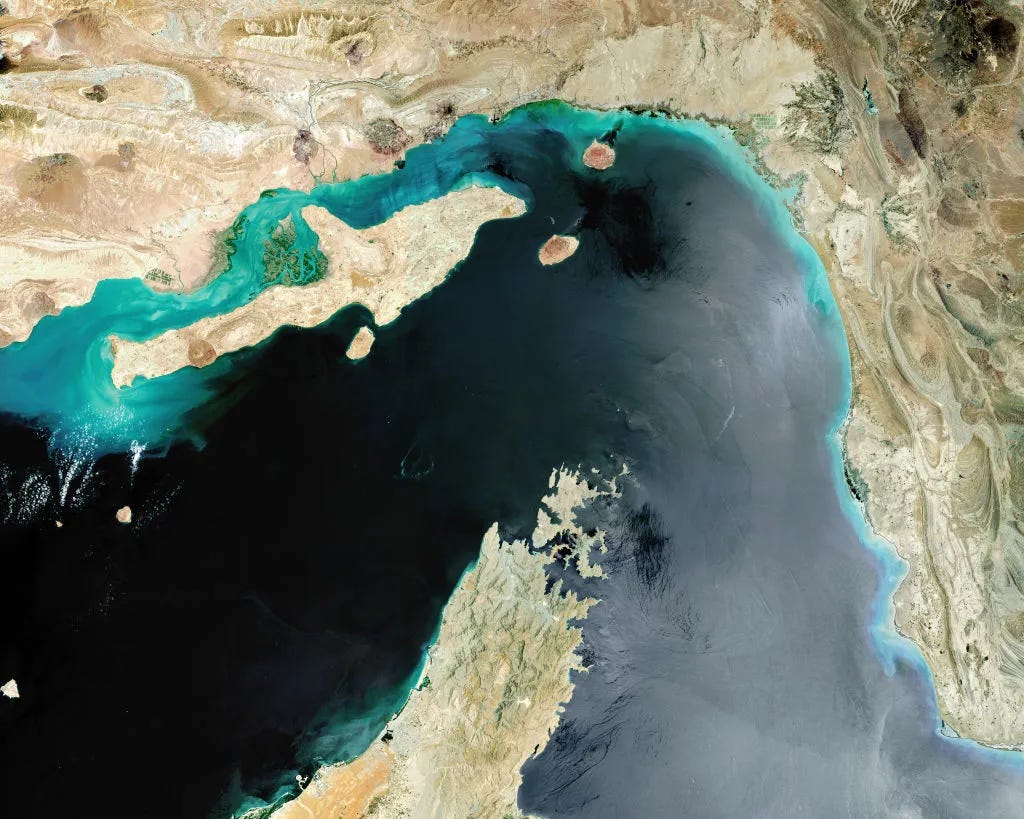
Iran’s foreign minister said ships connected to Japan could pass through the Strait of Hormuz after consultation, while also making clear that Iran would not accept a simple ceasefire and wanted a full end to the war on its own terms. At the same time, reporting from Washington suggests Trump is already considering how to wind the war down without actually solving the Hormuz crisis.
This shows two things. First, Iran is not using Hormuz in a random way. It is using it selectively, which means this is a tool of leverage, not just chaos. Second, the U.S. is stuck. It wants to degrade Iran, declare victory, and leave. But the core economic problem of the war is still Hormuz. If Washington steps back without reopening it, then it is not ending the crisis. It is just dumping the consequences on everyone else.
Bahrain Quietly Changes Its Story
Bahrain said the 32 civilian injuries from the March 9 incident were not caused by a direct Iranian drone strike, but by collateral damage from a Patriot interception over a residential area. That sharply differs from the earlier version that blamed the injuries directly on Iran.
This matters because war narratives are often built on the first version of events, and the first version is often the most politically useful one. When the official story changes later, the damage is already done. It also reminds people that so-called defensive systems do not produce clean outcomes. They can create their own civilian casualties while governments rush to shape the narrative.
Iran Keeps Framing the War as U.S.-Israeli Aggression
Iran’s president said the war can only end if the U.S. and Israel stop their aggression and guarantee it will not happen again. He also argued that regional security should be handled by regional states, without outside interference. India’s Modi responded by warning that attacks on energy infrastructure threaten global food and energy security and called for stability in the Gulf and safe passage through Hormuz.
Iran is clearly trying to position itself as the side resisting outside aggression rather than creating regional chaos. Whether that framing succeeds is another question. But it is aimed very directly at countries that do not want to take Washington’s side, do not want a wider war, and do want stable trade and energy flows.
The Debate Over Israel’s Role in Pushing This War Is No Longer Marginal
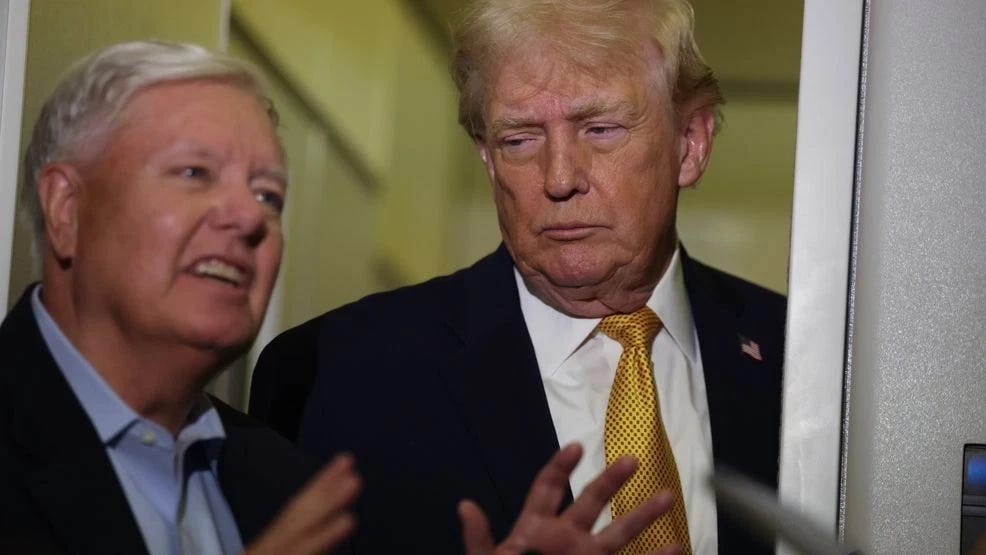
Former CIA analyst Larry Johnson said openly that Israel is behaving like a fascist state and wants all Arabs and Muslims dead. He also backed Joe Kent’s claim that the U.S. was pushed into the war by Israeli lobbying pressure. At the same time, multiple reports and claims have circulated around Lindsey Graham, arguing that he has been deeply involved in encouraging alignment between Trump and Netanyahu on the war.
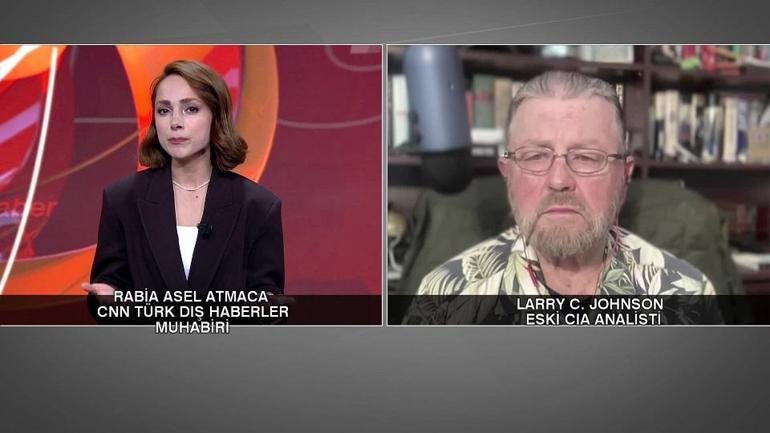
This matters because the argument is no longer hidden. More people are openly saying that the push for war is not simply about American national interest, but about ideological and political networks that tie together parts of Washington, the Israeli government, and evangelical forces in the U.S. And that deserves to be said clearly. If a U.S. politician is working with Zionists and the Israeli government to help push another Middle East war, then that is not putting American interests first. That is political betrayal. And when that mindset is mixed with end-times religious thinking, it becomes even more dangerous, because now you are not dealing with strategy alone. You are dealing with ideology dressed up as foreign policy.
Trump Wants the Win, But Not the Full Cost
Recent reporting suggests Trump is considering winding the war down even if the Hormuz crisis is not fully resolved. Publicly, he talks like the mission is close to complete. Privately, his administration still appears split over whether more force, including possible ground involvement, will be needed.
That tells you the White House is trying to manage two things at once. It wants the image of victory, but it does not want the full cost of seeing this war through. That is the contradiction now sitting at the center of U.S. policy. The war may be too dangerous to keep expanding, but the underlying crisis is too serious to simply walk away from cleanly.
Closing Note
What matters now is not just whether more missiles fly. It is whether the conflict keeps spreading into diplomacy, shipping, energy systems, and nuclear-sensitive sites. That is what turns a regional war into a much bigger global problem. If this kind of structured briefing helps you keep the picture clear, subscribe to stay with me, and if you want to support more of this work, consider upgrading your subscription.


Israel has wanted "an attack on the functioning of society" in Iran for 40 years. The blatant disregard for humanity at large exhibited by Israel & the US is frankly horrifying. I respect the strategy being used by Iran, and hope other nations will stand together, agree to trading their oil in yuan and other currencies, so we may hope to see the end of the zionist project for a "Greater Israel" and the end of US imperialism.
These evangelicals are insane and need to be held accountable for their war mongering. Their whole religious ideology regarding the rapture was developed after John Nelson Darby hit his head on a tree branch while riding a horse and then came up with the whole racket.