

A comment I saw recently explains America’s situation better than most policy papers:
“What if America successfully transforms? Don’t forget, American capitalists are experts at bankruptcy restructuring.”
That sounds sarcastic, but it gets to the core of the problem.
A lot of people still imagine American decline like a movie. The empire collapses, the world moves on, and everybody celebrates. Reality is usually uglier than that. America may not collapse cleanly. It may restructure, and if it does, the cost will not fall on Wall Street first. It will fall on workers, renters, small businesses, indebted young people, weaker countries, and anyone still trapped inside the dollar system.
That is what American capitalism has always done best. Not avoiding crisis. Repackaging crisis.
At the corporate level, it is called Chapter 11. At the national level, it becomes inflation, debt restructuring, tariffs, austerity, or “economic adjustment.” Politically, it gets wrapped in slogans about patriotism, security, or national renewal. Different language, same logic: protect capital, move the losses downward, and tell the public the pain is necessary.
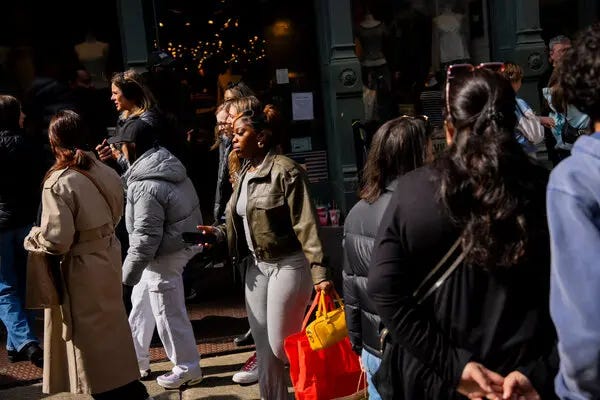
This is why the idea of “liquidating America” is mostly fantasy. The United States is not just a country. It sits at the center of the global financial system. The dollar still dominates reserves, trade finance, debt markets, and international payments. If America collapses in a disorderly way, the damage does not stay inside the United States. It hits pension funds, banks, trade systems, and entire economies across the world.
That is also why countries like China are not trying to destroy the dollar overnight. The real strategy is slower and more practical: build alternatives. Expand local currency settlement. Expand CIPS. Deepen BRICS financial cooperation. Create more exits before the next crisis arrives.
The goal is not replacing one empire with another. The goal is reducing dependence before America pushes another round of costs onto everyone else.
And that is exactly what usually happens during American crises.
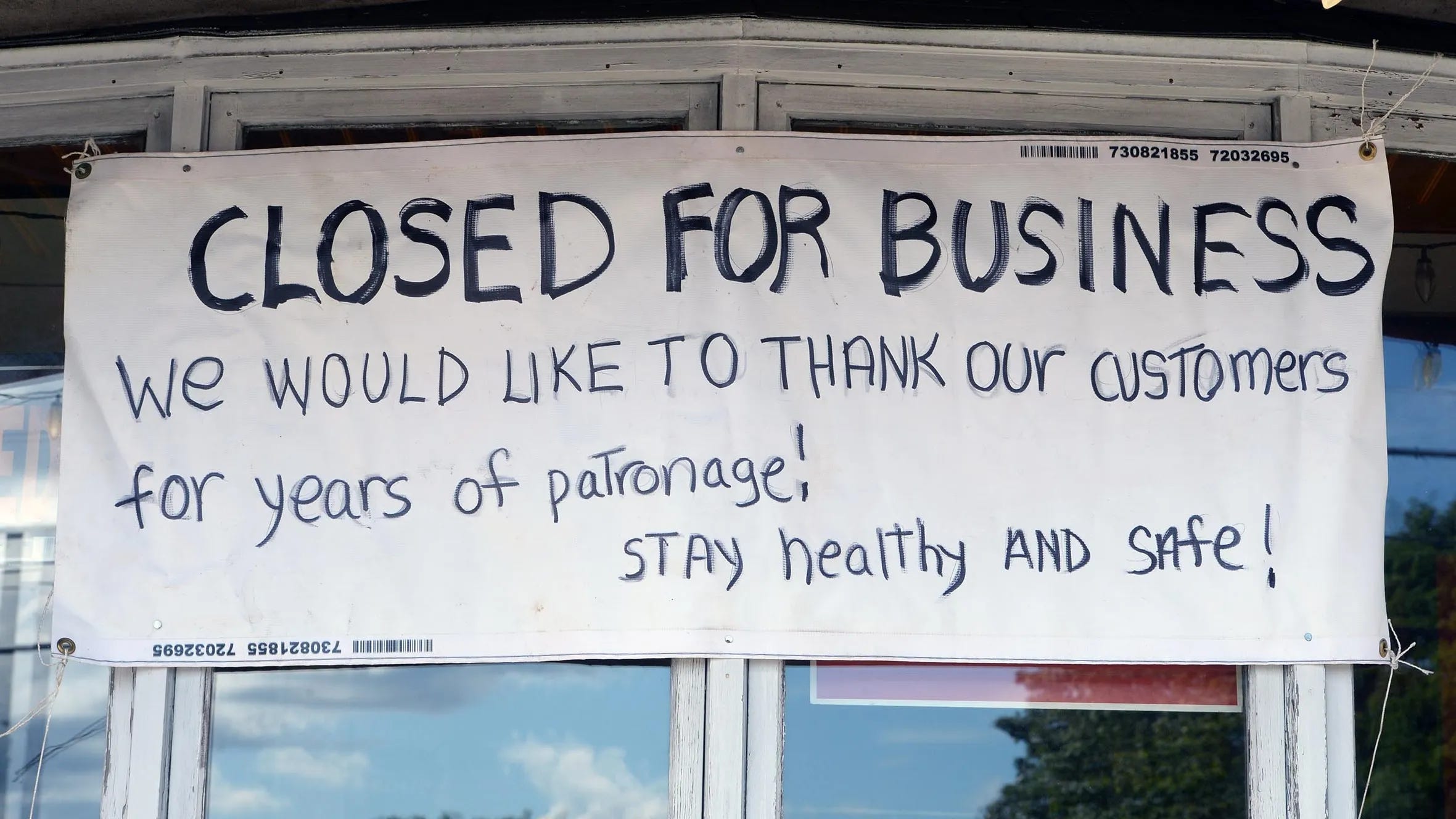
After 2008, banks survived while millions lost homes. During COVID, major corporations absorbed enormous amounts of liquidity while small businesses disappeared. Today, inflation eats wages while asset owners recover much faster than ordinary workers. Every crisis somehow ends with wealth becoming more concentrated.
That pattern matters.
Many reformists still believe the system can be corrected through better policies, stronger regulations, or different politicians. Some reforms absolutely matter. Healthcare, labor protections, and housing policy affect real lives. But the deeper problem is structural. Too many powerful institutions profit from instability itself.
The problem is not that these crises hurt profits. In many cases, they generate profits. Debt keeps banks alive. Housing scarcity benefits asset owners. War feeds defense contractors. AI gives corporations a new way to cut labor costs while calling it innovation.
That is why reform keeps running into limits. The system is not simply failing to solve these problems. In many cases, the problems themselves are generating enormous amounts of money.
This is also why America’s future may look less like collapse and more like controlled decline combined with harder nationalism, stronger surveillance, weaker labor power, and more political anger directed sideways instead of upward.
Workers get squeezed, then get told to blame immigrants. Young people cannot afford homes, then get told culture wars are the real issue. Public money flows upward, then politicians call it economic strength.
That is not accidental. It is how the system stabilizes itself.
So the real question is no longer whether America will decline. The real question is who will absorb the cost of that decline.
Because if history is any guide, America’s greatest skill is not surviving crisis.
It is making other people pay for it.


