

Americans love the word “freedom.” They say it like it’s a religion. But strip away the flag and the inspirational quotes and “freedom” usually means one thing: not having to work. Not having to beg a manager for hours. Not having to pray your health holds up. Not having to pretend you “love the grind” while your life is owned by rent, debt, and insurance paperwork.

That craving isn’t a personal flaw. It’s a rational response to a system built on one ugly rule: if you don’t sell your labor, you don’t deserve to live.
Freedom as “Not Having to Work” Under Capitalism
Under capitalism, the people at the top aren’t powerful because they are smarter or morally better. They’re powerful because they don’t need you to like them. They don’t even need to know you exist. They can live without selling their labor because their money comes from ownership - ownership of businesses, assets, land, stocks, debt, and whatever else can be used to collect a slice of someone else’s life.
That’s the bourgeoisie. That’s the ruling class.
And here’s the part Americans hate hearing: the ruling class doesn’t get rich by “working hard.” They get rich by controlling the machine that turns your hours into their profit. That’s not an insult. That’s the business model.
Class Is Power, Not Income
Stop defining class by income. That’s the trap. Income is noisy, emotional, and easy to manipulate, which is exactly why American politics loves it. Someone can make six figures and still be one layoff away from panic. Someone can make less and still control assets and decision-making that shape thousands of lives.
The clean line is not how much you make. It’s how you survive.
If your life collapses the moment wages stop, you’re working class. If you can stop working and still live comfortably off ownership and returns, you’re not. Blue collar versus white collar is just wardrobe. It describes the uniform, not the position. The real divide is not “people who work with their hands” versus “people who work with their brains.” The real divide is people who must sell time to live versus people who get paid because they own what others need.
The “Middle Class” Is a Political Fog Machine
The middle class concept is one of the greatest scams ever sold to wage earners. It’s a flattering label designed to stop workers from recognizing themselves as workers. It whispers: you’re not like them. You’re not exploited. You’re “doing fine.” You’re “almost there.”
It turns structural exploitation into personal performance. It teaches people to treat class like a ladder and not a battlefield of interests. It reframes collective struggle as “complaining,” and it replaces solidarity with self-help.
That’s the point of the label. It makes workers feel like temporarily embarrassed owners instead of permanently exploited sellers of labor. It turns class into vibes so nobody asks who owns.
Who Is Working Class in America Right Now
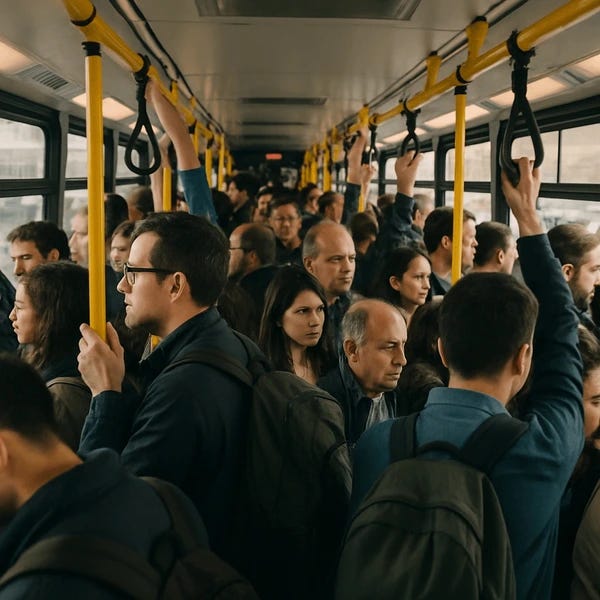
Once you stop playing the income game and look at power, the American working class is obvious and massive. It’s warehouse workers and nurses, teachers and delivery drivers, retail workers and construction crews, factory workers and servers. But it’s also office workers, junior engineers, analysts, designers, admin staff, and the army of “professionals” who still live by salary and still get treated as disposable.
Gig workers are working class too. “Independent contractor” is just a legal trick to strip protections while calling it flexibility. And yes, huge parts of government employment are working class, because they sell labor and live under budgets, discipline, and top-down control like everyone else.
If you can’t walk away from work without your entire life turning into a crisis, you’re not middle class. You’re not “almost bourgeois.” You’re working class.
Petite Bourgeoisie, Professionals, and the Confusion Americans Live In
Americans also get stuck because they see small business owners and professionals and assume they’re “the rich.” Some are comfortable, but comfort is not ruling power. Plenty of small owners still work brutal hours and get squeezed by landlords, banks, insurers, platforms, and supply chains. They’re not free. They’re just wearing a different collar.
Then there’s the professional-managerial layer - the people paid to enforce discipline, run compliance, manage metrics, sell layoffs as “restructuring,” and translate exploitation into polite corporate language. They still sell labor, but their role is to manage other workers on behalf of capital. That’s why they’re politically unstable: they’re not the ruling class, but they often act like the ruling class’s shock troops.
The dividing line is still ownership and control of surplus, not lifestyle, degree, or status games.
The American Dream as a Labor Control Mechanism
Now we get to the central lie that keeps this whole thing running: the American Dream.
The Dream says work harder, sacrifice more, grind longer, and one day you can stop selling your labor. It turns exploitation into hope. It turns suffering into a private investment plan. It tells you the system is fair, and if you’re not winning, you just haven’t tried hard enough.
That’s not inspiration. That’s discipline.
The Dream doesn’t need to come true for most people. It just needs to feel possible, because possibility keeps people obedient. It delays resistance and converts anger into self-blame. “If I’m struggling, it must be me.” That sentence is the system speaking through your mouth.

The Bourgeoisie Knows the Math, and They Use the Dream Anyway
Here’s the part nobody wants to say out loud: capitalism cannot let everyone escape wage labor. It needs a permanent working class. Someone has to produce, deliver, care, clean, build, teach, and maintain the world. If everyone became “financially free,” the system would collapse in a week.
So the Dream isn’t a ladder for everyone. It’s a leash for the majority.
As long as people believe they might be the exception, they will tolerate conditions they should be fighting. They’ll compete with other workers instead of challenging ownership. They’ll call exploitation “paying dues” instead of what it is: theft of time and surplus.
Why “Enemy” Is Accurate Without Turning It into a Cartoon
Calling the bourgeoisie the class enemy isn’t about personal hatred. It’s not a Marvel movie. It’s a description of antagonistic interests.
Workers need higher wages, stability, healthcare, time, safety, and dignity because those are the conditions for a livable life. Owners need lower labor costs, longer hours, weaker protections, and maximum extraction because those are the conditions for profit.
These interests collide by design. This isn’t a misunderstanding. This isn’t a lack of empathy. This is the system functioning normally.
The Misdirection That Keeps Extraction Running
To keep workers from recognizing the ownership line, the system supplies endless substitute enemies. Immigrants. Welfare recipients. Unions. “Lazy people.” Cultural opponents. Anything that absorbs rage without threatening capital.
So workers fight horizontally while extraction continues vertically. People argue about symbols while landlords, insurers, finance, and corporate ownership quietly keep collecting. Culture war isn’t just noise. It’s a containment strategy.
The Uncomfortable Truth and the Point of All This
Most Americans will never stop selling their labor. Not because they are lazy. Not because they lack talent. Because the system cannot function without a permanent working class. That’s why universal escape is impossible inside the rules of capitalism.
Seeing this is not meant to cause despair. It’s meant to end confusion.
Once people drop the middle-class costume and recognize their position, the real question becomes unavoidable: why should survival depend on selling labor at all, and why should a small ownership class get to extract profit simply because it controls assets?
That question is where class consciousness starts. And it’s also where American political theater starts looking like what it really is: a performance designed to keep workers fighting each other while the ruling class keeps collecting.
More stories you might missed…


