

A big U.S. story is unfolding right now, and it is not getting the attention it deserves.
Health insurance premiums are rising sharply in 2026. For many people who buy coverage through the Affordable Care Act (ACA) marketplace, what they actually pay out of pocket is going up by about 100% on average. In plain language, it feels like their premium just doubled.
That sounds extreme, so let’s slow down and explain what is really happening.
Why people’s premiums feel like they doubled
During the pandemic, the federal government expanded ACA subsidies. Those subsidies lowered monthly premiums for millions of households. People who used to pay a few hundred dollars a month often paid far less, because the government covered a bigger share of the cost.
At the end of 2025, those enhanced subsidies expired and Congress did not extend them.
Here is the key point: the plan did not suddenly get better or worse. The medical system did not suddenly change overnight. What changed is the support structure that made the premiums affordable.
Insurers raised base premiums by roughly 18% to 26%. That is already painful. But the larger shock is the subsidy cliff. Once the government contribution disappeared, the remaining cost was pushed directly onto customers. That is why many households see a jump that looks like “double.”
This is not a niche issue. Healthcare is not a luxury purchase. People cannot opt out of sickness. When premiums spike, families cut spending elsewhere, take on debt, delay care, or drop coverage entirely. And once someone drops coverage, it is harder to come back, especially if a health problem hits.

Zoom out: what the country is focused on instead
Now look at the national conversation.
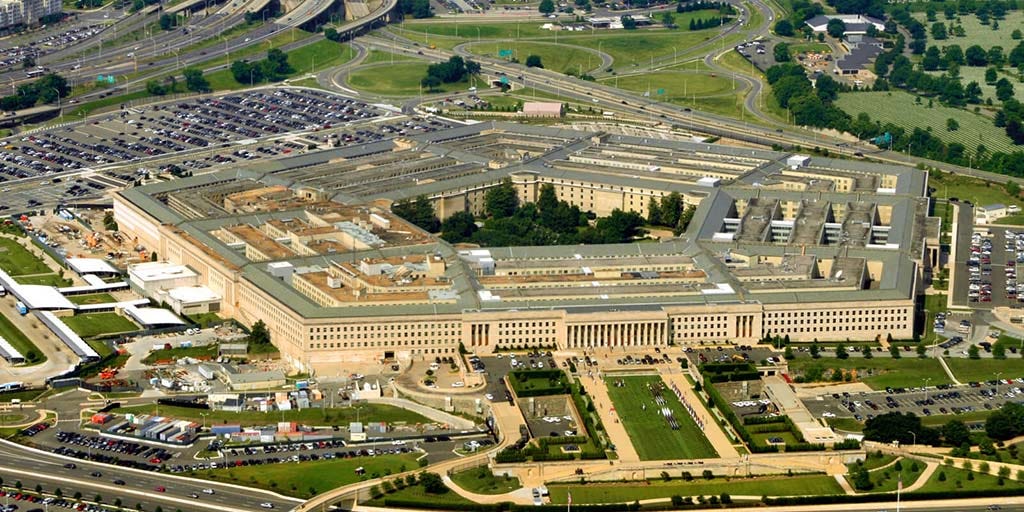
At the same moment Americans are being told to absorb higher healthcare costs, Washington’s public focus is somewhere else entirely. Media attention is dominated by foreign posture, military action, and revived empire language. You hear Monroe Doctrine talk. You hear “hemispheric dominance.” You hear power projection framing, including around Venezuela.
These contrasts matter because they reveal priorities.
Healthcare is a daily survival issue. Foreign policy drama is easier to turn into a headline. It is easier to sell an external threat than it is to explain why hospital prices are high, why drug costs stay high, why insurance middlemen take a cut, and why employer plans keep shifting costs onto workers.
Those are hard fights. Empire talk is easy.
The real national security question
Some people will defend all this by saying it is about national security.
Here is the grounded counterpoint. A country where millions cannot afford basic healthcare is not secure. Security is not just missiles or influence overseas. It is whether people can survive a medical bill without financial collapse.
If a household budget breaks from one injury, one pregnancy complication, one cancer scare, that is not strength. That is fragility. It is a system that runs on fear, debt, and denial.
And when the government treats healthcare as optional while treating foreign posture as urgent, it sends a message: ordinary people are not the priority.
What this tells you about power
There is a pattern in politics everywhere, not just in the U.S.
When domestic economic pressure rises, governments often redirect attention outward. Foreign policy is easier to dramatize. It also creates a convenient excuse for why things at home are not improving: blame the world, blame rivals, blame instability, blame anything except the structure.
But no amount of empire language lowers your premium. No amount of “dominance” makes insulin cheaper. No amount of foreign theater fixes the fact that people are choosing between care and rent.
This is why the premium story matters. It is not just a healthcare story. It is a story about what the state will protect, and what it will let break.
Closing thought
We do not have to ask why this is happening. We already know the answer. The system can move fast when it serves power. It moves slow when it serves people.
The question is what happens when more Americans realize that their biggest threat is not overseas. It is the bill sitting in front of them.
More sotries, you might missed…


Such a wise and clear analysis, that I totally agree, and I guess that is also the common feeling of majority