

Why May Day Still Matters
Every year, May 1 arrives, and much of the world recognizes it as International Workers’ Day. In many countries, it remains a public holiday tied to labor history, union struggle, and respect for the people who keep society functioning. In the United States, however, May Day is often ignored, misunderstood, or treated as something foreign. That silence is political.
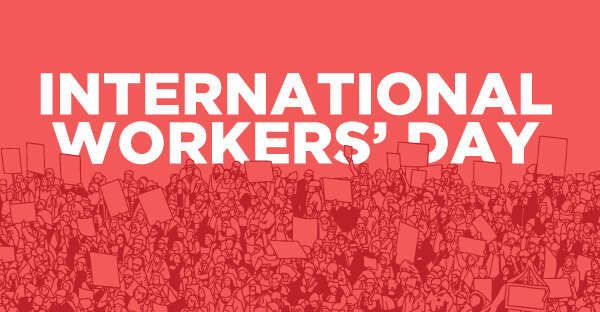
May Day reminds ordinary people of a truth the ruling class would rather keep buried: wealth is created by labor. Roads are built by workers. Goods are moved by workers. Patients are cared for by workers. Offices run because workers show up. Society functions because labor continues every day.
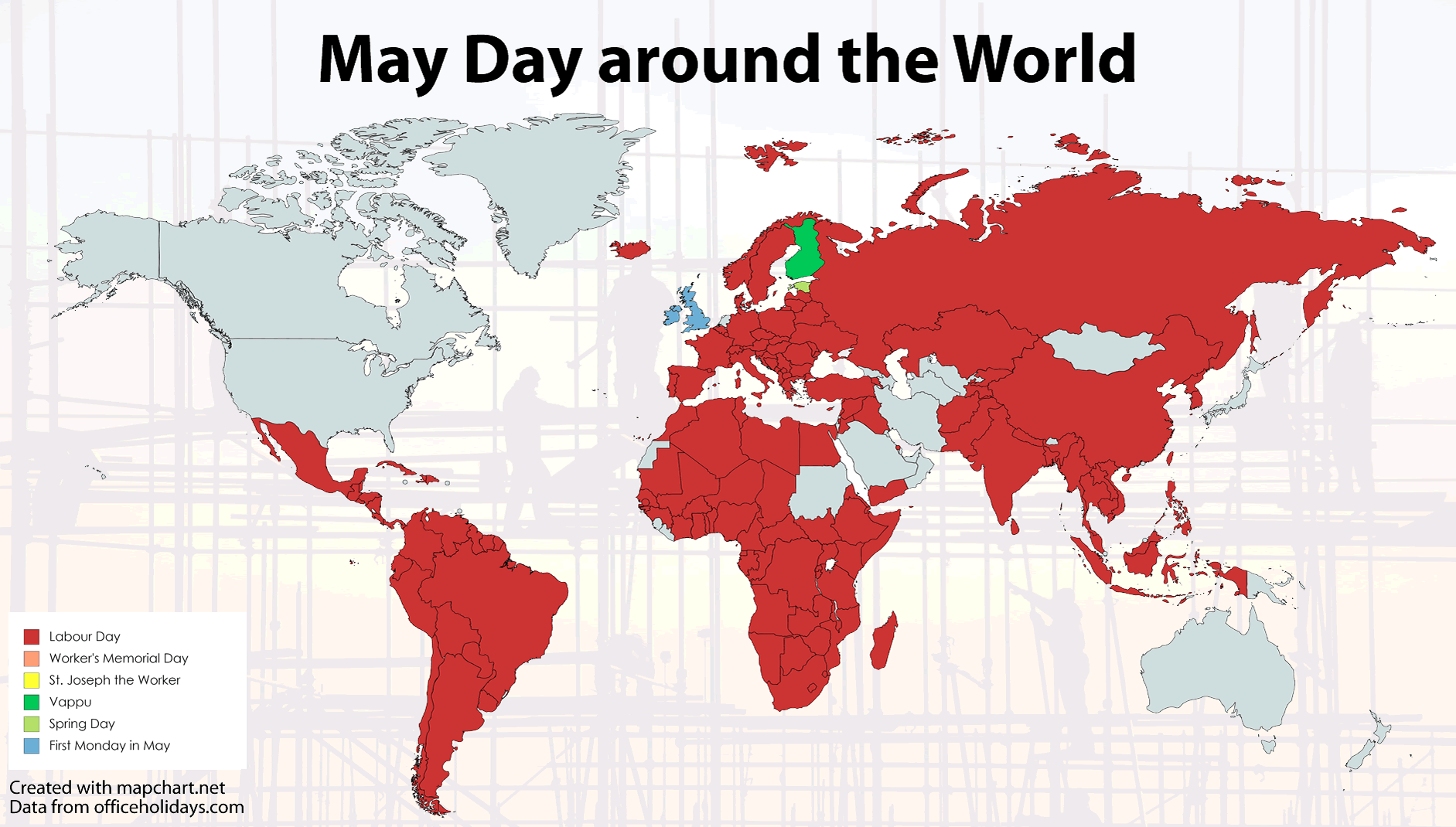
That is exactly why the memory of May Day was weakened. A population that forgets the power of labor becomes easier to manage.
Before I continue, thank you to everyone who reads, shares, and supports this work. That support helps keep this platform independent and honest. If this piece speaks to you, subscribe, share it, and if you want to support deeper work like this, consider upgrading.
The History Behind May Day
May Day did not begin as a soft celebration of hard work. It came out of class struggle in the late nineteenth century, when workers in the United States were pushed through brutal schedules of fourteen, sixteen, and sometimes eighteen-hour days. Conditions were dangerous, wages were low, and people were treated as replaceable tools.
In 1877, the United States saw its first great national strike wave as workers demanded shorter hours and better living standards. The demand that came to define the era was simple and revolutionary: the eight-hour workday. Eight hours for labor, eight hours for rest, eight hours for life.
By 1886, labor organizations across the United States and Canada called for a mass strike on May 1. Hundreds of thousands of workers participated. Chicago became the center of the movement, with factories disrupted and streets filled by organized labor.
The response from power was predictable. Police violence followed. Workers were killed. Organizers were arrested. After the Haymarket affair, several labor leaders were convicted in a deeply controversial trial, and some were executed.
The lesson was clear then, and it remains clear now. When workers quietly suffer, the ruling class is comfortable. When workers organize seriously, the state suddenly becomes aggressive.


Why the World Celebrates It
In 1889, the Second International declared May 1 an annual day to honor workers’ struggle and continue the fight for labor rights across borders. From Europe to Latin America to Asia, workers recognized a common reality. Different flags, different languages, same economic structure: those who labor create value, while those who own extract it.
That is why May Day spread globally. It was never just about one city or one country. It was about international solidarity of the working class.
The United States eventually promoted a separate Labor Day in September. A safer holiday. A less militant holiday. A holiday with less memory attached to strikes, socialism, and class consciousness. That was not accidental.
Why May Day Matters Right Now
Some people treat labor history as if it belongs in a museum. Meanwhile, modern workers are living through familiar pressures. Wages lag behind inflation. Rent consumes income. Healthcare punishes illness. Layoffs are rewarded by financial markets. Productivity rises while security falls. Even many white-collar professionals who once felt stable are discovering how disposable they really are.
This is where many people need clarity. The working class is not limited to factory floors. If your survival depends on wages, salary, contract income, or selling your time and skill in exchange for money, you are part of labor. That includes:
nurses
warehouse workers
truck drivers
teachers
office staff
coders
retail workers
technicians
many lawyers
many members of the petite bourgeoisie struggling under debt and instability
A nicer chair, better clothes, or an office badge does not change class position. If losing income would put you in crisis, you are closer to labor than to capital.
Why One-Day Protests Are Not Enough
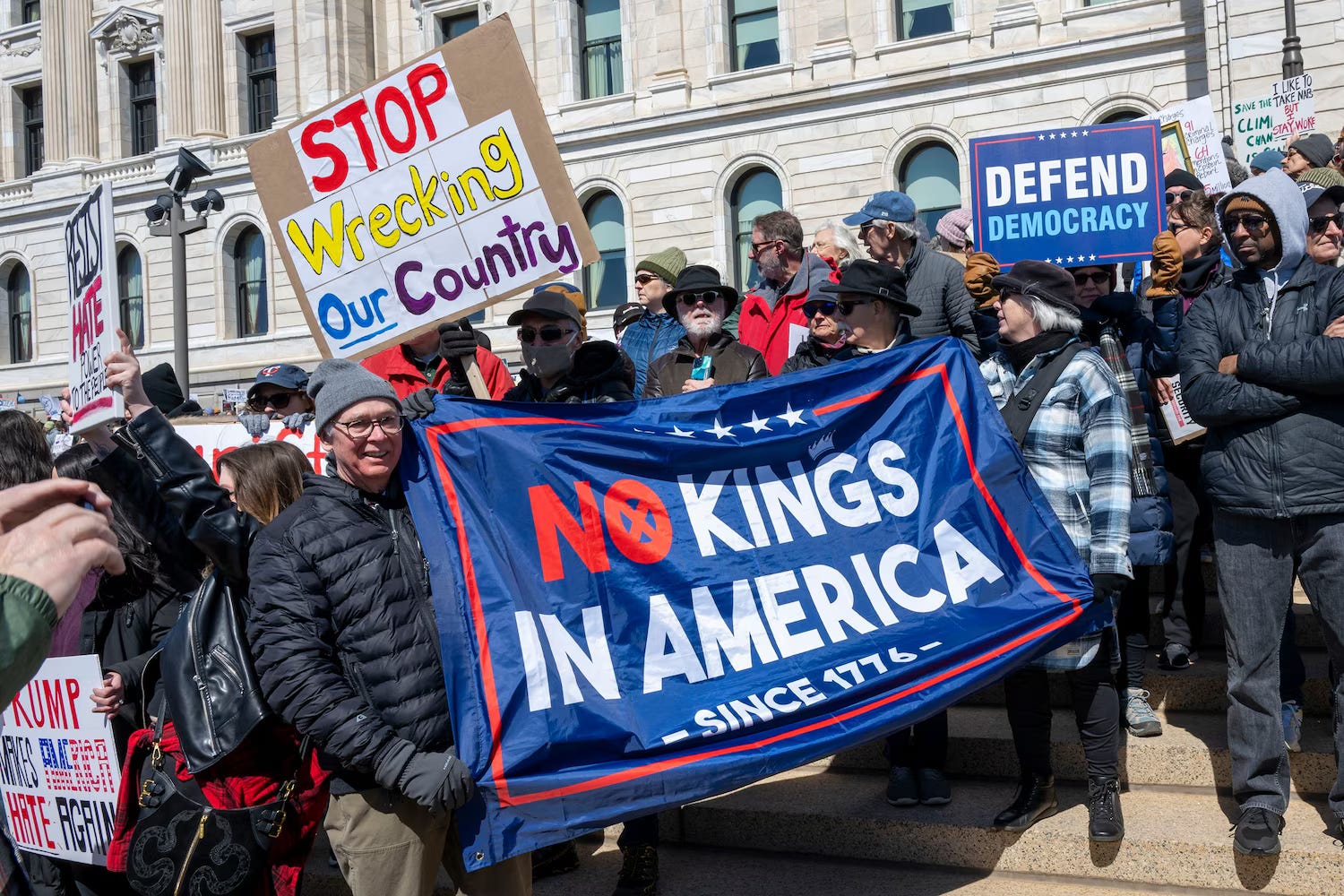
Modern politics often offers symbolic action in place of real leverage. A one-day protest can build morale, create visibility, and help people meet each other. Those things matter. But by themselves, they rarely force structural change.
The oligarchs, corporations, and wider ruling class do not respond to emotion alone. They respond to material pressure. They care about profits, asset values, investor confidence, and control. If a protest creates noise but leaves revenue untouched, many of them will simply wait for the news cycle to pass.
That is why symbolic politics is often tolerated. It allows anger to be expressed while the structure remains intact.
Why General Strikes Matter
A real general strike matters because it turns anger into economic cost. If workers in enough sectors stop working, companies do not just face bad publicity. They face delayed shipments, lost sales, interrupted production, nervous investors, and pressure from clients. At that point, the ruling class can no longer treat workers as background noise. They are forced to deal with labor as power.
Politicians start paying attention for the same reason. Not because they suddenly discovered morality, but because the cost of ignoring workers becomes higher than the cost of negotiation.
This is why general strikes have historically mattered more than symbolic gestures. They remind society that labor is not passive. It is the foundation.
The Need for Working-Class Unity
The ruling class understands the danger of worker unity, which is why it constantly encourages division below it. Office workers are told they have nothing in common with warehouse workers. Public sector workers are set against private sector workers. Native-born workers are pushed to resent immigrants. Salaried workers are taught to distance themselves from hourly workers. Politics is reduced to endless culture war so people stop seeing the deeper divide between labor and capital.
The goal is simple: keep workers fragmented so power remains protected.
A nurse and a warehouse worker may live different daily lives, but both depend on selling labor. A teacher and a truck driver may vote differently, but both face the same economic pressures. Unity does not require sameness. It requires recognizing shared material interests.
That recognition is the beginning of class consciousness.
Closing
May Day is not just a holiday. It is a political memory. It reminds people that rights were not gifted by benevolent elites. They were won through struggle, sacrifice, and organized pressure.
If ordinary people want change now, they need more than outrage and one-day performances. They need solidarity, discipline, and the willingness to use the leverage labor already possesses.
Because if you cannot touch the wallet of the ruling class, they will never care about your feelings.
Happy May Day.
Remember who creates the wealth, and who merely collects it.


