

Good morning, everyone! Thank you for reading these briefings. I know everyone is seeing fragments of this conflict across different headlines, videos, and posts. What I try to do here is simple: put the developments together so we can see the structure more clearly.
If these updates help you stay informed, consider subscribing so you don’t miss future briefings. And if you want to support this work and help me keep producing these regular updates, you can also consider upgrading to a paid subscription. Your support really helps keep this going.
Below are several of the key developments from this weekend.
Trump Pressures Allies to Help Secure the Strait of Hormuz
U.S. President Donald Trump is now openly pressuring allies to send ships and help secure the Strait of Hormuz after Iranian retaliation effectively disrupted traffic through the waterway. The strait is one of the most important energy chokepoints in the world, carrying roughly one fifth of global oil supply.
Trump warned that if countries benefiting from the strait refuse to help, it could mean a “very bad future” for NATO. His administration has reportedly contacted multiple countries, including Japan, South Korea, France, and the United Kingdom, urging them to contribute naval forces.
The political signal here is clear. Washington is trying to internationalize the risk of the conflict after launching strikes that helped trigger the crisis. But convincing allies to join a volatile war zone is proving far more difficult than issuing the request.

Allies Respond With Caution Instead of Commitment
So far, the response from U.S. allies has been cautious at best.
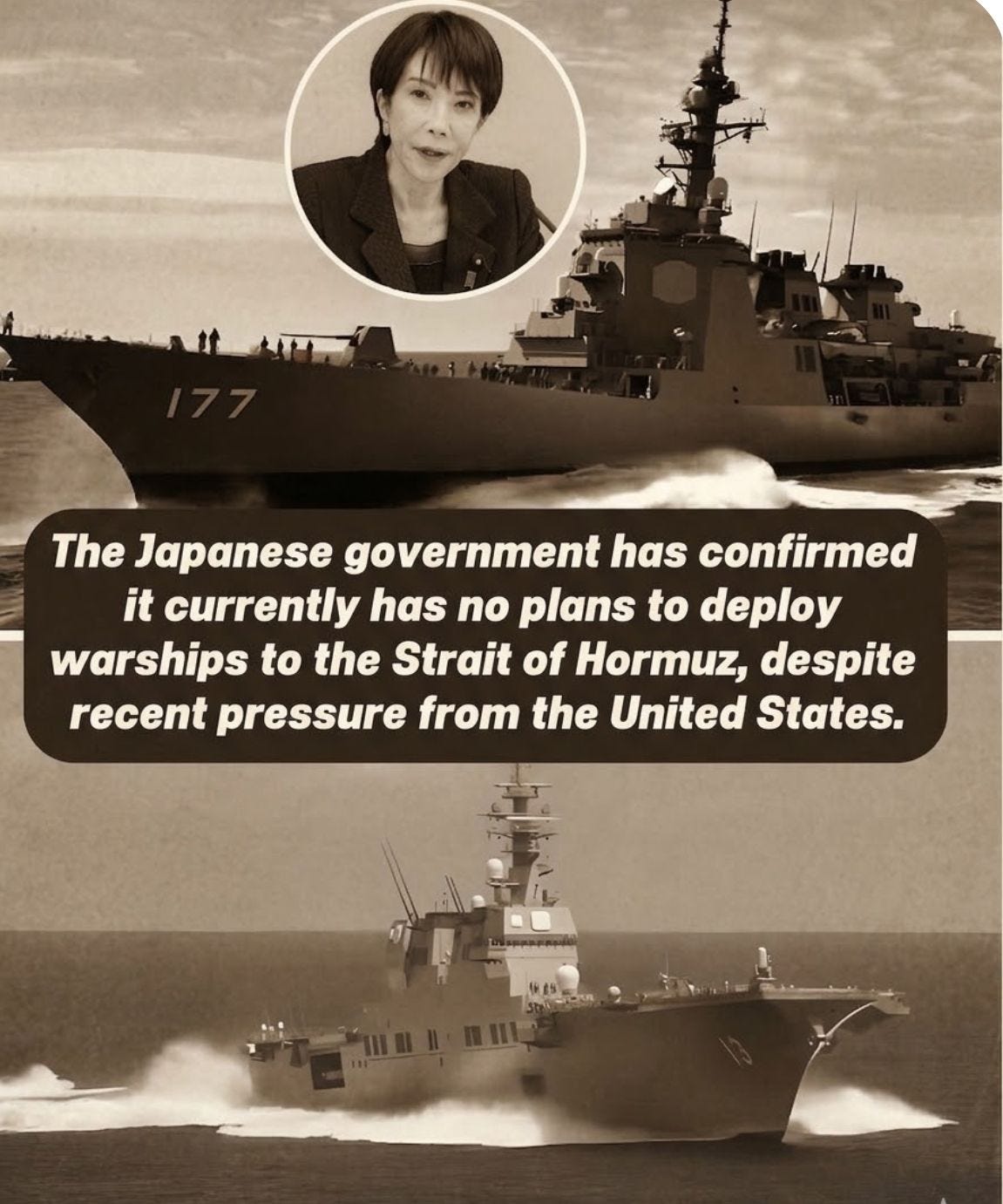
Japan’s government said it currently has no plan to dispatch naval vessels. Australia also said it would not be sending ships to the strait. France indicated it prefers a defensive posture aimed at stability rather than escalation, while the United Kingdom is considering limited support such as aerial mine-clearing operations.
In other words, many governments recognize how vital the strait is for global energy markets, but they are reluctant to place their own forces directly into a rapidly escalating conflict.
This hesitation highlights a broader issue. Launching military operations is one thing. Building a coalition willing to absorb the risk afterward is another.
Greek Tankers Still Crossing the Strait Despite Attacks
Even as the Strait of Hormuz becomes more dangerous, some commercial shipping continues.
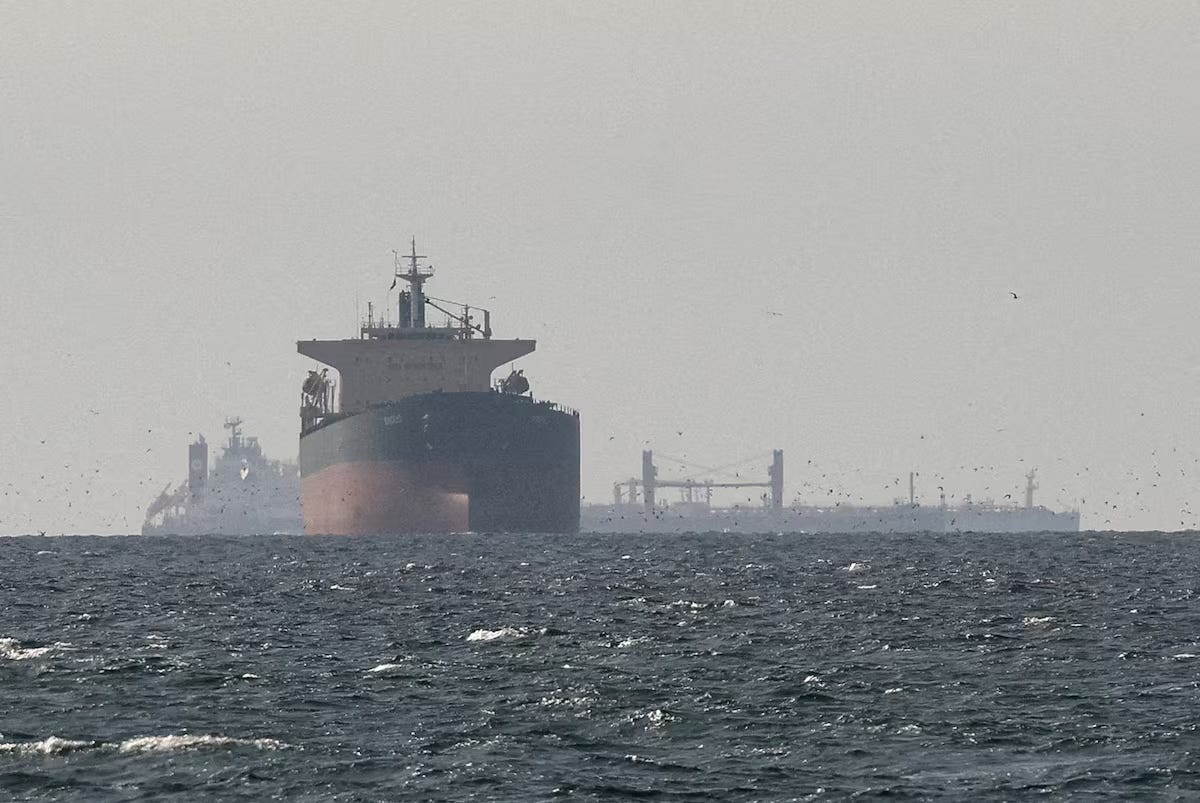
Shipping data cited by Reuters shows that at least ten tankers operated by Greek companies have passed through the strait since the conflict intensified in late February. Some vessels reportedly sailed at night and switched off their tracking systems in an attempt to reduce exposure.
The environment is extremely risky. Mines, missile strikes, and drone attacks have already damaged multiple commercial ships. At least sixteen vessels have reportedly been attacked since the escalation began.
At first glance, sending tankers through such conditions may seem reckless. But the financial incentives are enormous.
With oil prices surging and tanker rates climbing sharply, some voyages are generating around $500,000 per day in revenue. Even after war insurance and higher crew costs, individual trips can still produce millions in profit.
This is the economic logic behind the decision.
The people making those profits, however, are not the ones standing on the deck.
Shipowners collect the freight premiums. Traders capture price spreads. Insurers charge higher risk fees. The crews navigating the strait are the ones actually facing the danger. It is a clear example of how war redistributes risk and profit in very different directions.
Reports and Denials Surround Attacks on CitiBank Facilities
Another sign that the conflict is spreading beyond the battlefield involves the financial sector.
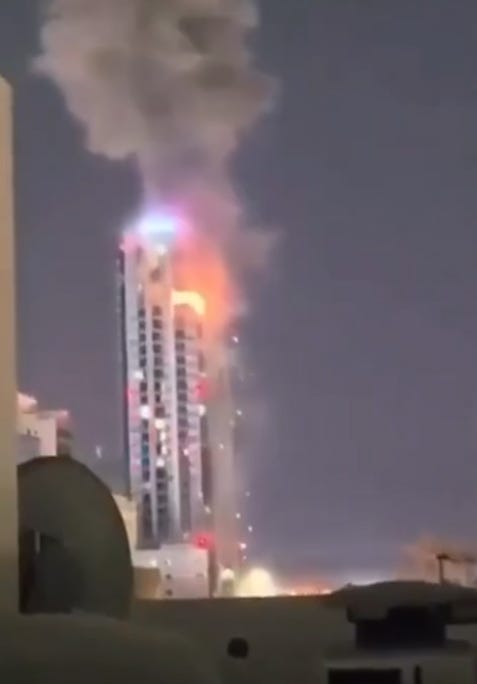
Iranian media claimed that Iranian forces targeted CitiBank branches in Dubai and Bahrain with drone strikes as retaliation for earlier attacks on Iranian banks. CitiBank has publicly denied that its facilities were damaged, calling the reports inaccurate.
However, the bank has acknowledged that it is taking additional security precautions and has temporarily closed several offices in the region to protect staff.
Even when the details of specific incidents remain disputed, the broader signal is important. Financial institutions are now adjusting operations because the regional security environment is deteriorating.
That suggests the conflict may begin affecting not only shipping and energy infrastructure but also financial networks connected to the oil trade.
Netanyahu Responds to Death Rumors, but the Video Sparked More AI Speculation
Israeli Prime Minister Benjamin Netanyahu released a new video on March 15 in response to online rumors claiming he had been killed in Iranian retaliation strikes. In the clip, he appeared in a Jerusalem café, joked about the rumors, and even held up his hand in response to earlier claims that a previous video showed six fingers. Reuters said it verified the location and date of the café video and treated it as authentic.
But the video did not settle the issue online. Instead, it triggered another round of argument, with some users claiming that even the café footage itself was AI-generated. That matters because it shows how wartime information space is breaking down. At a certain point, the question is no longer just whether a video is real. It is whether the public still trusts anything they are shown.
Just now, from Netanyahu’s X account, a new video was posted, showing another possible AI sign. His wedding ring on his left hand disappears and reappears. This is the original post, take a look, Benjamin Netanyahu
Iranian Officials Warn of Possible “False Flag” Operations
Iranian officials have also raised concerns about potential “false flag” attacks that could be blamed on Tehran.
Ali Larijani, secretary of Iran’s Supreme National Security Council, warned publicly that some actors might attempt to stage a large-scale attack similar to the September 11 attacks and attribute it to Iran.
Larijani claimed that such an operation could be used to justify a future U.S. ground invasion.
Statements like this are difficult to verify and are often part of wartime messaging. But they illustrate how both sides are already competing to shape the narrative surrounding any future escalation.
If a major incident occurs, the battle over interpretation may begin immediately.

Closing Note
For now, this conflict is becoming harder to contain. What started as a military confrontation is putting more pressure on shipping lanes, oil flows, and regional stability.
Thank you for following these briefings. If you want to keep up with the next updates, consider subscribing. And if you want to help me keep this work going, you can also upgrade to a paid subscription.


... and the craziness of Trumpanjahu blinks at the horizon : the NATO and Turkey are their next targets to make their warlord-dreams come true . germany and its tensions with Turkey opens the supplychain, GB will be helpful
thanks for another excellent briefing