

Let’s start from here.
The moment that really cracked the whole thing open came at midnight on March 1. President Trump jumped on the phone with The Atlantic and basically said, “Iran’s new guys already want to talk, and I’ve agreed.” This actually clarified the logic.
This was never some grand “Iraq-style” invasion plan. This was classic “Yugoslavia mode” - hit them hard enough with airstrikes until they crawl back to the negotiating table. Remove hardliners(Khamenei is gone), pressure the next leadership, and lock in concessions Israel has wanted for years.
But here’s the question that actually matters: Why even start this if everyone in Washington knows air strikes alone can’t eliminate Iran’s threat to Israel? I don’t think this is some master plan against China. It’s something much simpler - and much more uncomfortable.

The Real Boss Isn’t Sitting in the Oval Office
The primary intent of this operation is to serve Israel’s security objectives. Not China. Not oil. Not saving the dollar. Israel, period.
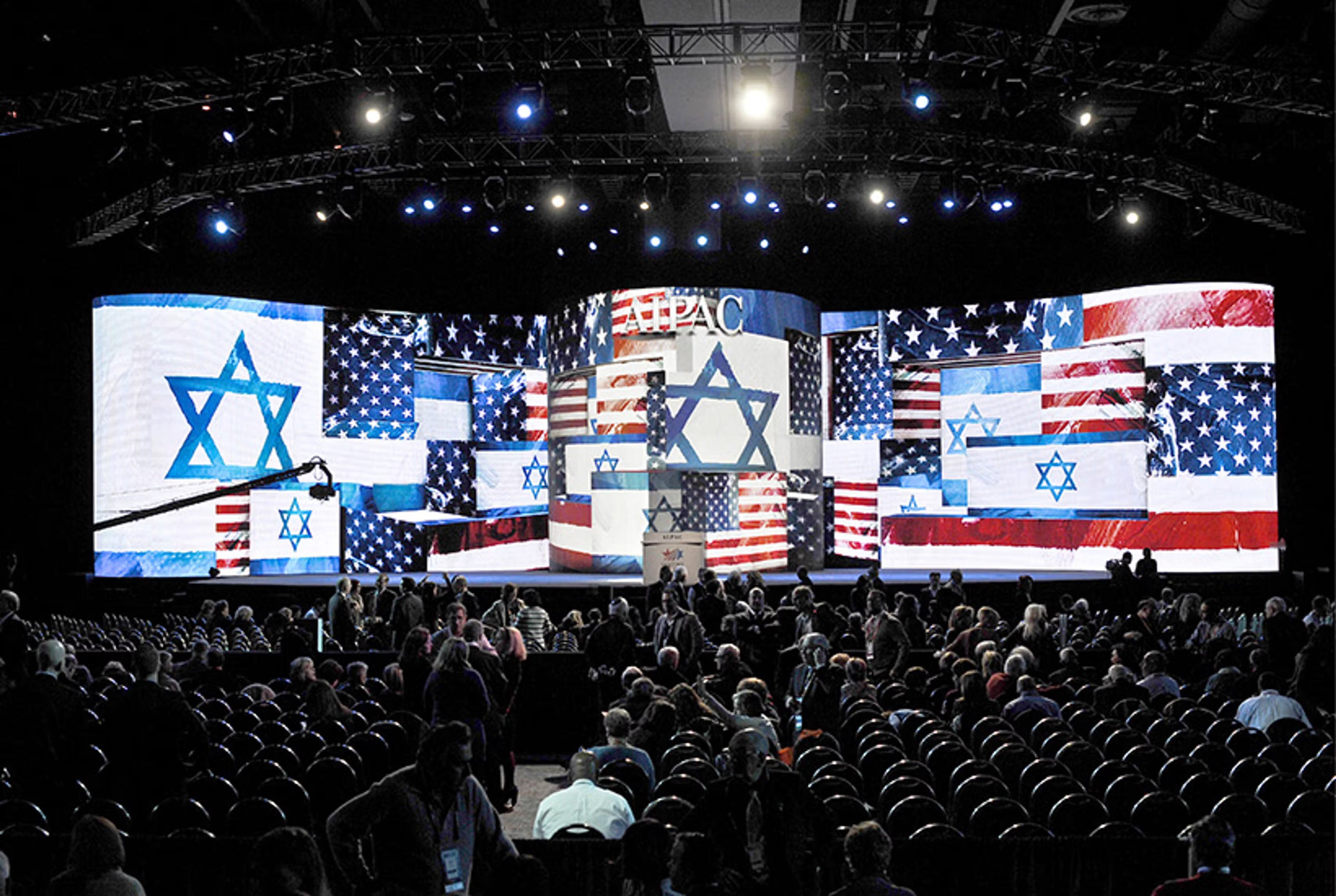
The Israel interest groups have become the iron fortress of American politics. They control the campaign money. Step out of line and they fund your primary challenger and you’re toast by breakfast. Trump, Biden, Rubio - every single one of them has learned the lesson the hard way. So America, this so-called superpower, has turned into the parasitic host. It keeps sacrificing its own national interest, its foreign policy, even American soldiers’ lives on the altar just to keep that “chosen one” happy.
And the rest of us? In that worldview we’re basically just goyim: useful tools when needed, otherwise irrelevant. That’s the raw, ugly dynamic playing out in real time.
“This Is All About Screwing China” - Nah, Let’s Look at the Numbers
You’ve probably already seen comments like this across news articles and social media threads: “They’re cutting our oil! Killing RMB settlement! This is the beginning of the strangulation!”
Take it easy. The actual data says otherwise - and it’s not even close.
China’s 2025 crude imports hit a record 11.55–11.6 million barrels per day. Here’s the real breakdown (straight from Kpler, China Customs, Reuters, early March 2026):
Russia: 17–20% (2.0–2.1 million bpd) - our rock-solid number one, pipelines and tankers both surging
Saudi Arabia: 14% (1.6 million bpd) - steady as ever
Iran: 13.4% (1.38 million bpd) - we were already buying 80%+ of their exports with shadow fleets and RMB deals
Venezuela: 3.5–4.5% (0.39–0.64 million bpd)
Add Iran and Venezuela together and you’re still only at about 17%. Annoying if it gets disrupted? Sure. Existential threat? Not really. China went into this with big stockpiles and had already started shifting even more toward Russia.
And the Venezuela story? It’s almost funny at this point. After the U.S. grabbed Maduro, American companies took over sales and kept shipping the oil to China anyway. Volumes actually went up in early 2026. The money? Straight into American pockets. Remember when they said, “We’re doing this for the Venezuelan people”? Yeah… total nonsense. Same script they’re trying with Iran right now.
What Chinese Analysts Are Actually Saying
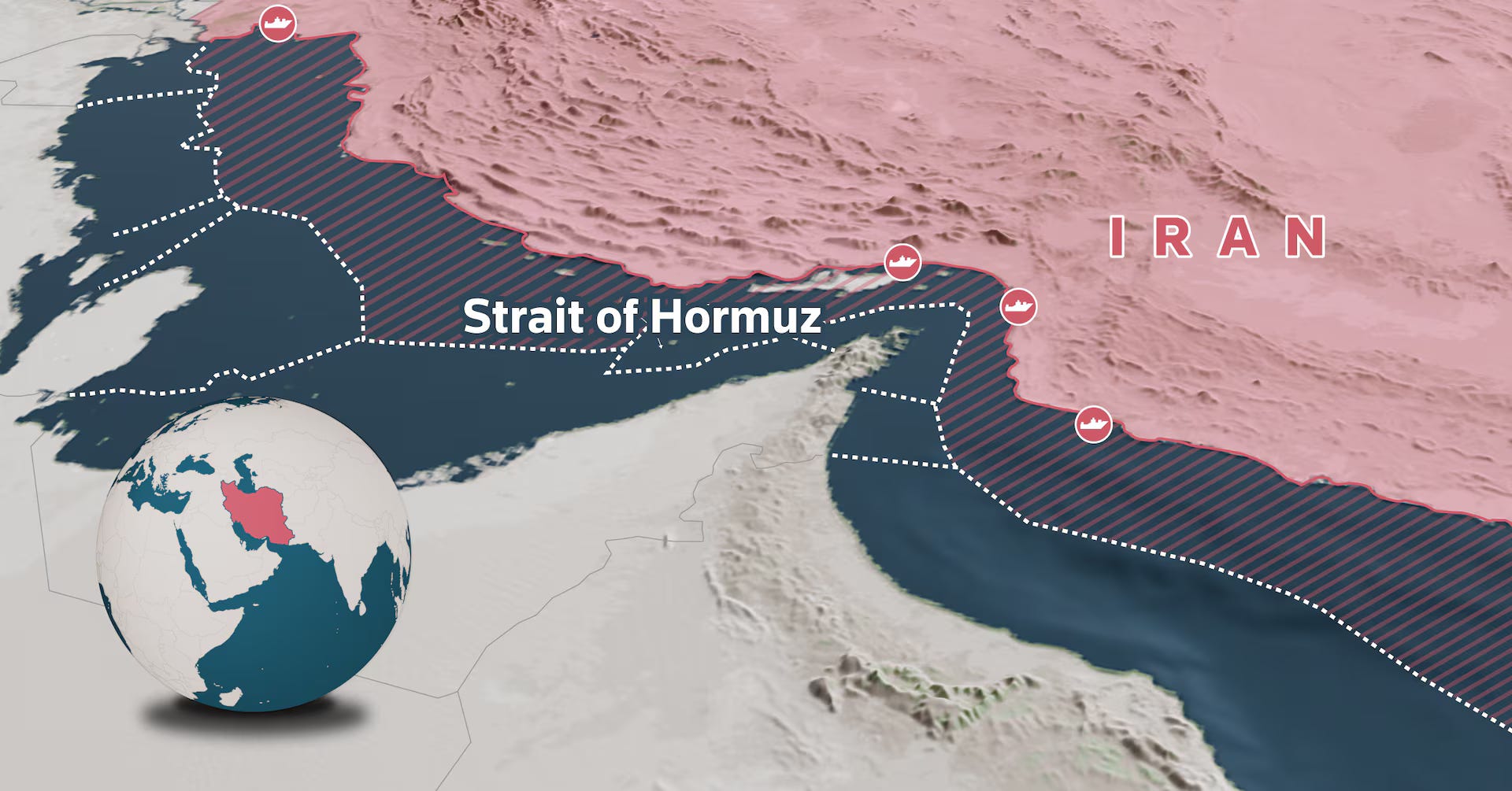
Go read Observer Net, HK01, Xinhua, or Zaobao right now - the tone is remarkably calm. Short-term oil price spike and Hormuz risks? They see it. But the consensus is basically “yeah, messy for a bit, but violent-but-short.” Iran can’t afford to keep the strait closed forever, OPEC+ has spare capacity, and China’s green energy diversification plus stockpiles are doing their job. Iran is less than 1% of China’s total trade anyway.
Diplomatically, Beijing did the expected: condemned the strikes, called for ceasefire, reminded everyone about sovereignty. But behind the scenes? They’re playing it cool - no picking sides, just watching and waiting. Several Chinese commentators are even calling this a potential strategic window. America’s attention is once again getting sucked into Middle East quicksand. The “contain China” push in the Indo-Pacific just lost a lot of steam. RMB oil settlements are about to get more popular. Overland routes from Russia and Central Asia look even better. Not bad.
Why Some People See “China Trap” in Every Single Thing America Does
Two reasons, honestly. First, a bit of lingering “strategic firepower-deficiency syndrome” - deep down they still don’t fully trust China’s own strength. Second, they quietly overestimate American power even while America shows every sign of being in long-term decline.
Yes, Washington can still smack soft targets. But on the real battlefields - trade war, tech war, finance - China has already moved from defense into stalemate. Russia is too big to bully. China itself is a steel plate. Even North Korea gets careful treatment now. Being able to hit weak opponents doesn’t make you a strategic genius.
And a Quick Word to the “Liberate Taiwan Right Now” Crowd
Every time something happens overseas, the same cry goes up. Please relax. China's reunification has its own rhythm and its own calculation of fundamental interests. It doesn’t dance to whatever drumbeat is coming out of Washington or Tehran. Patience and discipline aren’t weaknesses; they’re the mark of serious strategy.
Bottom line:
For China the short-term pain is real but manageable, the distraction of Washington is potentially useful, and the long-term energy picture remains solid thanks to diversification and stockpiles.
The United States and Israel, parasitic-host relationship is on full display. The numbers don’t lie. Strategic calm is still the only smart play.
If this piece gave you a clearer picture, subscribe now so you stay ahead. And if you think independent commentary like this actually matters in 2026, upgrade to paid today. It really does make a difference. Thank you. Thank you.


Accurate summary of events. Thank you.
China's patient approach, using lots of rhetoric and only a limited amount of weaponry, to reunification, may succeed peacefully if Taiwan's government is as corrupt, inept and unpopular as ours is here, and if its people realize it's in their self interest.
Yes, it would seem that Netanyahu has a desk in the White House, and that AIPAC, through Citizens United, wields grossly outsized influence in our elections by funding primary elections driven by propaganda and voted in by multitudes of susceptible dupes. Those same dupes may turn on a dime if their latent, endemic tendency to hate is exploited, a-la 1984.