

This is not a normal news cycle. This is escalation management collapsing in real time. The Iran-Israel-U.S. conflict is spreading across bases, shipping lanes, and energy infrastructure, and the public is being fed three contradictory stories at once: “defensive,” “preemptive,” and “not a war.”
That’s why I’m doing these briefings. Not to chase drama, but to track what’s going on: who moved, what changed, what got hit, and what the public was told to believe. If you want clean timelines and grounded analysis instead of narrative theater, subscribe. The pace of this conflict is accelerating, and these updates will keep coming.
As for today, all energy-related stocks, solar, and petroleum hit the limit up.
Latest Developments, March 3
1. Israeli cyber infiltration of Tehran revealed
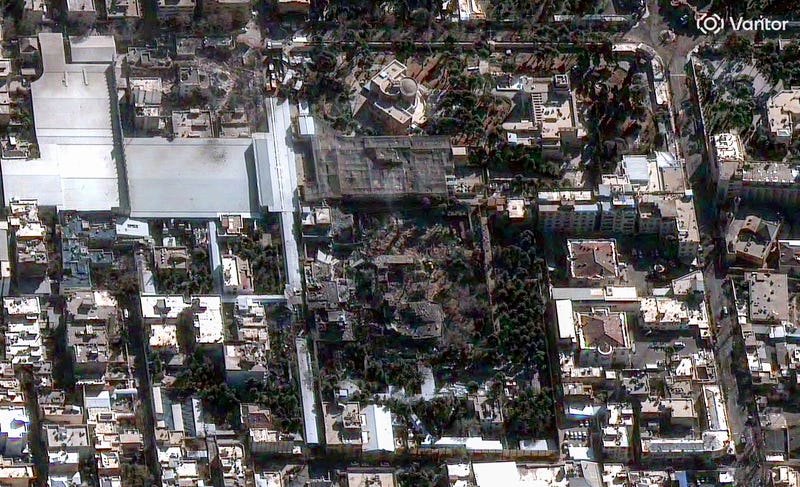
The Financial Times reported that Israel had infiltrated nearly all of Tehran’s road surveillance systems years in advance. Israeli intelligence allegedly mapped security behavior patterns and disrupted cellular base stations near key government buildings before the strike that killed Iran’s Supreme Leader.
This was not a spontaneous retaliation. It was a long-prepared infrastructure-level penetration.
2. U.S. justification campaign intensifies
U.S. Middle East envoy Steve Witkoff claimed Iran possessed enough 60% enriched uranium for “11 nuclear bombs.” Netanyahu echoed similar claims, framing the war as necessary and decisive.
However, U.S. outlets including Axios, Reuters, Politico, and The New York Times reported that there was no intelligence showing Iran was preparing an imminent attack on U.S. forces.
Public messaging remains internally contradictory:
“Imminent threat”
“Preemptive defense”
“Not a war”
All three narratives are being used simultaneously.
3. U.S. casualty update
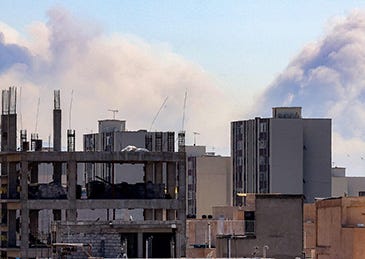
CENTCOM confirmed 6 U.S. service members killed and 18 seriously wounded.
The deaths occurred after an Iranian strike on a U.S. tactical operations center in Kuwait.
The Pentagon admitted that one munition penetrated air defenses. No warning was triggered.


4. Iranian casualty report
Iran’s Red Crescent reported 787 deaths across 153 counties.
Over 500 locations were struck in more than 1,000 recorded attacks.
5. Iraqi militias enter the conflict
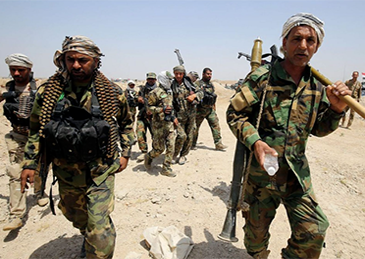
The Iraqi militia group “Islamic Resistance” claimed responsibility for roughly 28 attacks on U.S. bases in Iraq and surrounding areas, using drones and missiles.
Iraqi officials say U.S. defenses intercepted many of the drones, but the political pressure on Baghdad is rising sharply.
6. Strait of Hormuz declared closed
Iran’s Revolutionary Guard declared the Strait of Hormuz closed, threatening to fire on any vessel attempting passage.
Roughly 20% of global oil supply moves through that chokepoint.
Shipping traffic dropped sharply.
Analysts warn oil could spike toward $120–150 per barrel under prolonged disruption.
China’s Foreign Ministry publicly called for maintaining navigation safety and energy stability, urging immediate de-escalation.
7. Qatar halts LNG production
After Iranian drones struck facilities in Ras Laffan and Mesaieed, QatarEnergy suspended LNG production.
Qatar is the world’s third-largest gas exporter.
Energy shock risk is escalating.
8. U.S. Embassy in Kuwait closes
Following Iranian strikes, the U.S. embassy in Kuwait suspended operations and instructed American citizens to shelter in place.
9. British base in Cyprus targeted
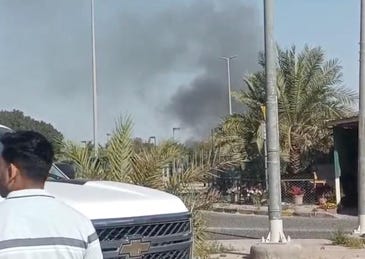
An Iranian drone reportedly crashed at the UK’s RAF Akrotiri base in Cyprus. Minor damage reported. No casualties.
Conflicting British statements suggest tension between public positioning and operational realities.
10. Israeli special forces reportedly conducted ground operations inside Iran
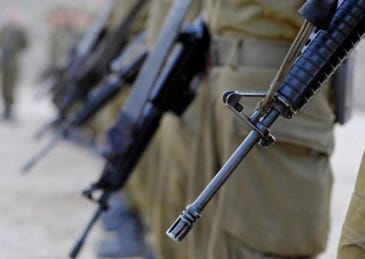
Saudi outlet Al Arabiya claimed Israeli special forces, including Mossad operatives, conducted nighttime ground actions in Iran. No independent confirmation yet.
11. Iranian naval losses
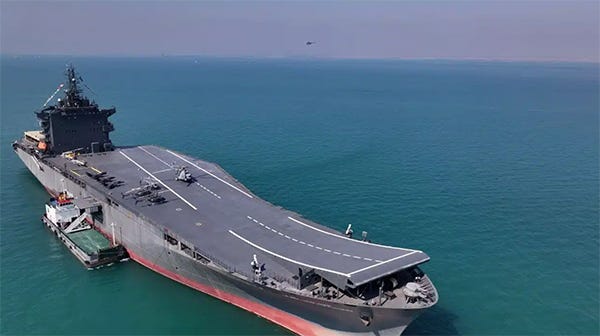
CENTCOM claims 11 Iranian vessels in the Gulf of Oman were destroyed.
Iran’s drone carrier Shahid Bagheri, the converted tanker Makran, and a Jamaran-class frigate were reportedly hit.
Washington frames this as restoring “freedom of navigation.”
12. U.S.-flagged tanker attacked in Bahrain
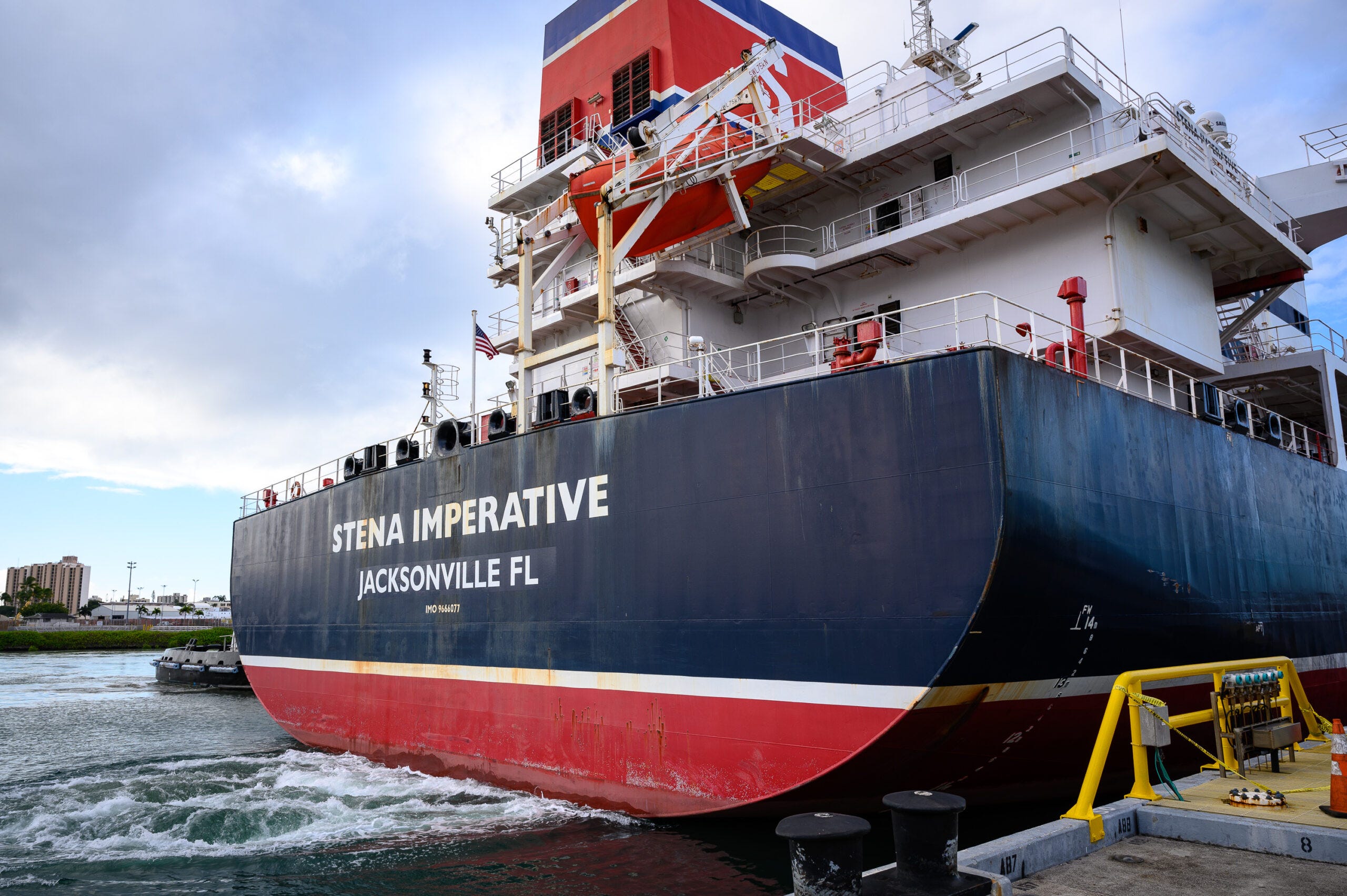
The tanker Stena Impero was struck by projectiles. Fire extinguished. No casualties.
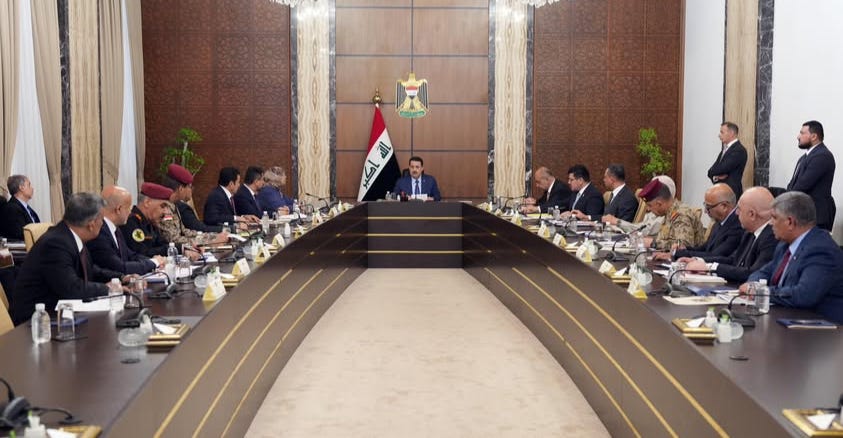
13. Iraqi PM issues internal security orders
Iraq’s Prime Minister Sudani ordered security forces to prevent destabilizing militia actions after prior diplomatic assurances to Washington.
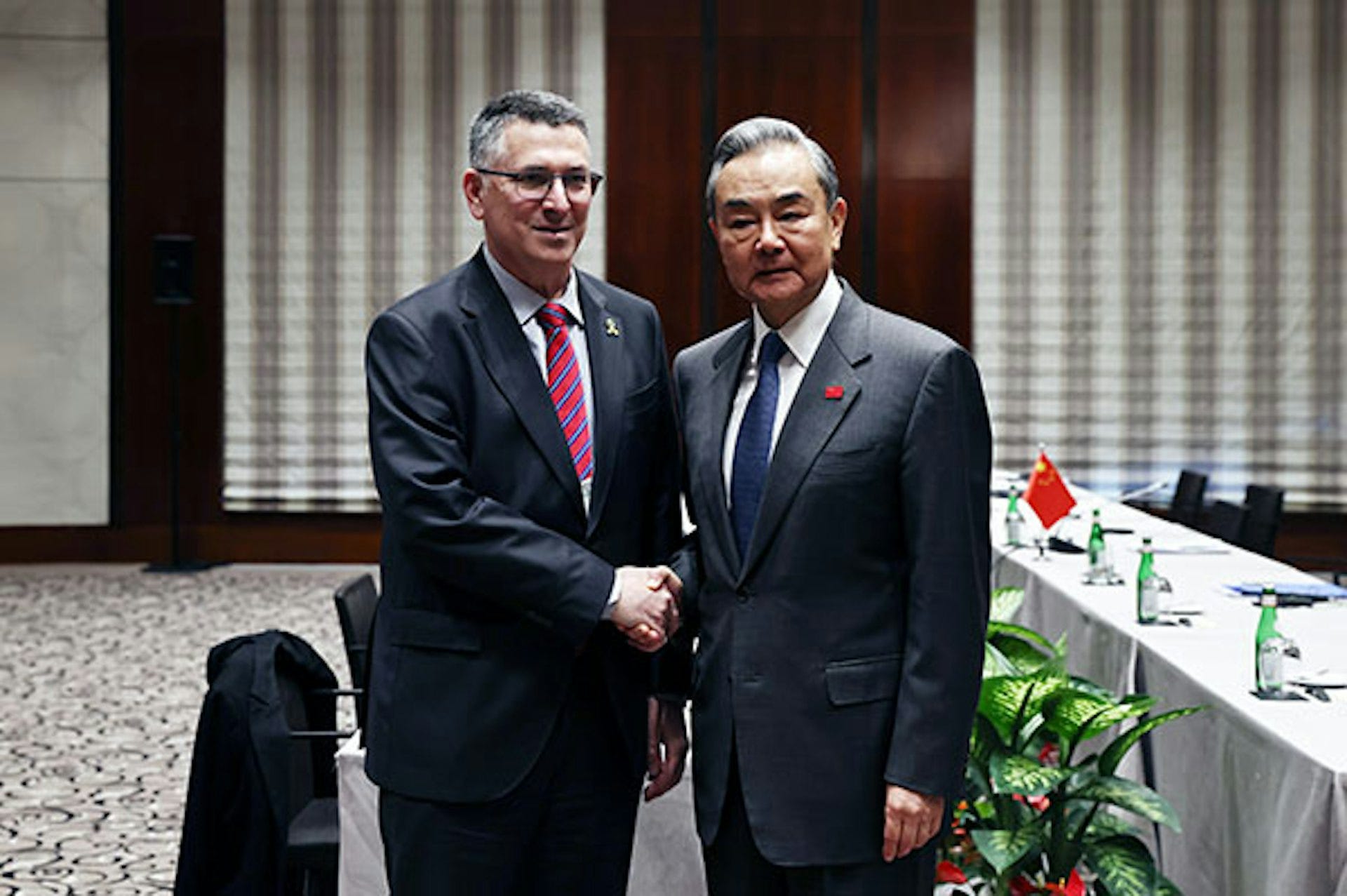
14. China–Israel diplomatic call
Chinese Foreign Minister Wang Yi reiterated opposition to military escalation and called for immediate ceasefire. China demanded protection of Chinese personnel and institutions in the region.
The key point is simple: once energy and chokepoints become targets, this stops being a “regional flare-up.” It becomes a global price shock and a political cover story, all at once.
If you’ve been reading these briefs, you already know why this matters. If you want the deeper layer - the incentives, the institutions, the propaganda logic, and what comes next - consider becoming a paid subscriber. That support lets me keep doing fast, structured updates when the news turns into fog.
Next update will focus on what the next 24-48 hours signals: escalation, containment, or deliberate chaos.


Fantastic work as always.
I love you, Neil. Thank you for your analysis!! 💜