

Some headlines say diplomacy is returning. Others show naval escalation in the Gulf. Others focus on who Washington is sending into the room. Put together, this looks less like peace replacing pressure, and more like pressure walking into the room and calling itself diplomacy.
Before going further, thank you to everyone who reads, shares, and supports this work. That support matters more than I can fully say. It gives me the space to write directly, honestly, and independently. If this piece gives you something useful, please subscribe, share it, and consider upgrading your subscription to support this work more seriously.
The Talks Are Back, but the Pressure Never Left
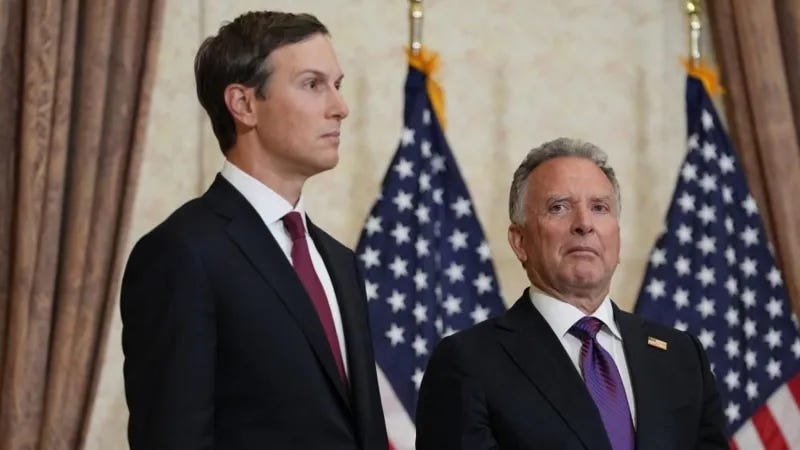
What to know: U.S.-Iran talks are expected this weekend in Pakistan. Washington is sending Steve Witkoff and Jared Kushner. Vice President JD Vance is expected to remain in Washington unless needed later. At the same time, Hormuz remains tense, Iran is accused of laying more mines, and markets are waiting for the next shock when trading reopens.
That is the real frame.
The Trump administration says a new round of talks with Iran is expected this weekend through Pakistani mediation. Officially, this is a positive sign. Diplomacy is still alive.
But the delegation itself sends a message.
This is not a normal State Department channel led by career diplomats. Kushner does not hold a formal cabinet position. His influence comes through family access, private networks, and Trump’s personal trust. His Middle East record is closely tied to Israel and Gulf power politics.
So when Washington sends Kushner into talks with Iran, the signal is not neutrality.
America is arriving with a political network already aligned with one side of the regional conflict.
For Tehran, that is unlikely to look like balanced diplomacy. It looks more like pressure wrapped in negotiation.
Then there is the timing. These talks are set for the weekend, when markets are closed and waiting for the next headline. Any rumor of progress, collapse, naval escalation, or disruption in Hormuz can hit oil, shipping, defense, and broader markets when trading reopens.
War headlines move markets. Peace rumors move markets. Hormuz headlines move markets.
This is the ugly rhythm of crisis politics: create panic, create hope, move the market, then call it foreign policy.
Hormuz Remains the Pressure Point
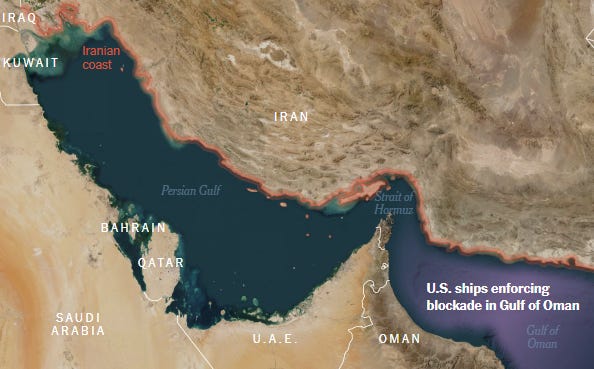
U.S. media reports say Iranian forces have allegedly laid additional naval mines in the Strait of Hormuz this week.
U.S. officials say they detected the activity and are using underwater drones, minesweepers, helicopters, and surveillance aircraft in response. Trump also publicly said he ordered the U.S. Navy to destroy any vessel laying mines.
Whether every battlefield claim proves accurate or not, the broader reality is clear: Hormuz remains central leverage.
A major share of global energy flows through that corridor. Even partial disruption can move oil prices, insurance costs, freight routes, and inflation expectations worldwide.
Hormuz is not just a battlefield. It is a price lever.
Leadership Questions Inside Iran
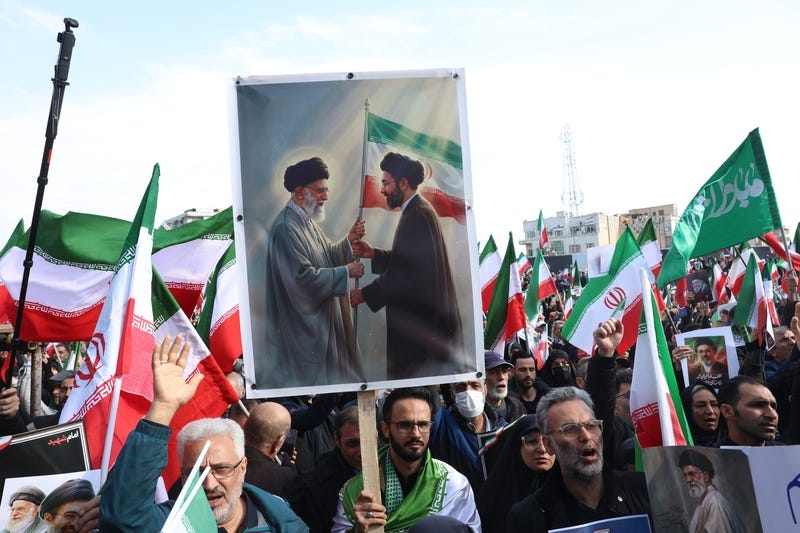
Separate reports citing unnamed Iranian officials claim Mojtaba Khamenei suffered serious injuries, including multiple surgeries to a leg and hand. Those reports also say his face and lips were badly burned, affecting his ability to speak publicly and possibly requiring reconstructive surgery.
The same reports say he remains mentally alert and conscious.
These claims have not been independently verified, and Iranian officials maintain that leadership remains functional. But the timing matters. When a country is under military pressure and entering negotiations, any uncertainty around public leadership, communication, and decision-making becomes part of the wider story.
The safer point is not to declare who controls Tehran.
The safer point is this:
Questions about who can speak, decide, and command are now part of the crisis.
Why Talks and Escalation Are Happening Together
Some people assume negotiations mean de-escalation. Often they do not.
Talks frequently begin while both sides are still applying pressure. Washington is using military presence, sanctions leverage, and the threat of stronger force. Iran is using geography, shipping risk, and the ability to create market anxiety.
Both sides may be trying to improve their position before making real concessions.
That makes the current moment easier to understand: diplomacy on paper, pressure in practice.
What I’m Watching
The next signals are simple: whether Iran confirms the Pakistan talks, whether Hormuz shipping stays restricted, whether oil jumps when markets reopen, and whether Iran’s leadership appears publicly by video or audio.
The conflict may be changing form, not ending. Less visible bombing does not automatically mean peace. It may just mean the pressure is moving into shipping lanes, oil prices, back-channel talks, and market shock.
The real question now is whether either side is ready to give up leverage for a deal. So far, neither side looks eager.
I’ll keep tracking this as it moves. If this kind of briefing helps you connect the pieces, subscribe. And if you want to support deeper work, consider upgrading to paid.
More stories you might missed…


The war will end with either Iranian military victory or global economic collapse. Iran has the determination and capacity to cripple Israel militarily, economically, and socially, and/or topple the petro-sheikdoms, and/or collapse the dollar or American stock market, or instigate runaway stagflation. Those cases might push the American ruling class to withdraw militarily from West Asia, close U.S. military bases, and end sanctions on Iran, in exchange for opening the Strait of Hormuz. U.S./Israel could launch a nuclear attack to destroy Iran’s cities and infrastructure, but Iran could still retaliate by destroying all oil and gas production in West Asia, almost certainly causing a global economic crisis and widespread civil breakdown. Iran cannot compromise and retain its sovereignty. Trump financially, the US oil and war industries, and Netanyahu politically benefit from the war, show no signs of compromise. It is in the interests of Palestine, the American people, and the world’s most vulnerable for Iran to win.