

The Elite’s Casual Clue: Staley’s 2014 Email
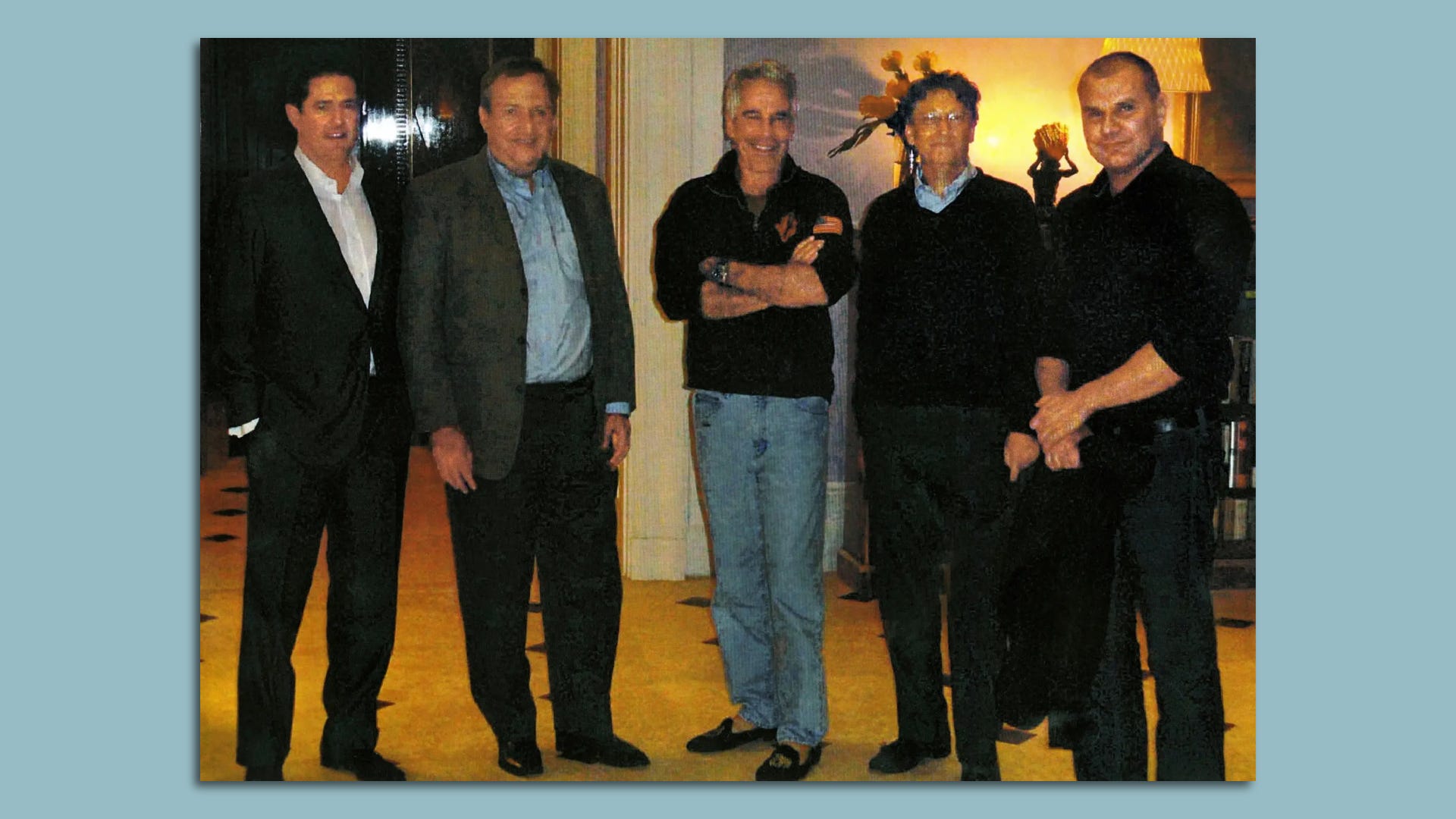
In 2014, Wall Street heavyweight Jes Staley sent a late-night email to Jeffrey Epstein, casually asking, “You want to know why we’re not São Paulo?” and pointing to Super Bowl ads as the answer. No pretense, no script, this line laid bare the elites’ true thinking: America hasn’t seen riots like São Paulo’s not because there’s no inequality, but because a sneaky system quietly diffuses conflict.

São Paulo: Uncontainable Rage Over Systemic Injustice
São Paulo, one of the world’s most unequal major cities, is defined by nonstop large-scale protests over systemic injustice. These aren’t online rants; they’re in-person actions: road blockades, stalled business districts, riot police. Unchecked anger hits the powerful where it hurts, with visible costs.


America’s Inequality: Anger Without Explosion
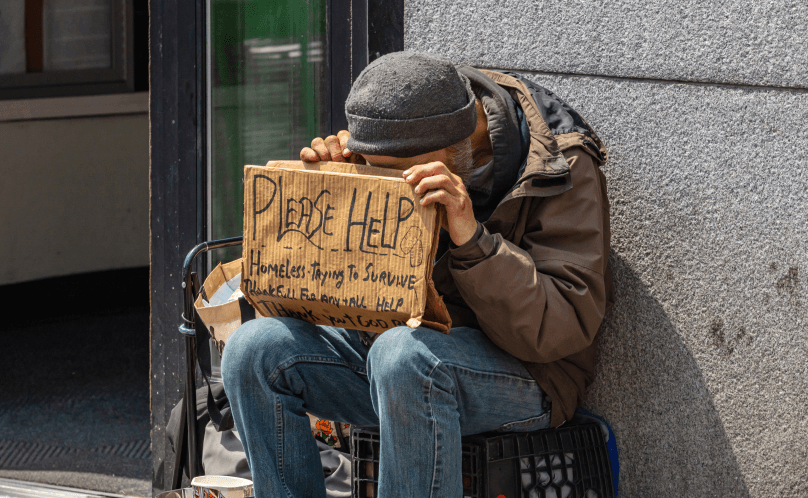
America’s inequality is just as outrageous: the top 1% holds more wealth than the entire middle class, housing prices rise far faster than wages, medical debt is the top cause of bankruptcy, and household debt tops trillions. Yet it never sees São Paulo’s sustained, large-scale class riots. Staley’s point? America doesn’t lack anger; it lacks an uncontainable explosion of it.
The Super Bowl: A Spectacle That Locks Away Anger
The Super Bowl, America’s top-rated TV event, is the key to this control. It’s not a policy debate or rally; it’s a nationwide spectacle that pulls in 100 million viewers. Brands pay $7 million for 30-second ads to grab this attention; politicians use it too. At Super Bowl LX, Bad Bunny’s halftime show sparked days of culture-war bickering, while Kid Rock’s conservative counter-performance stoked backlash. Both sides fought, but all attention fixated on cultural symbols, forgetting real injustices. Rent and medical bills didn’t drop, but the “political energy” for collective action was drained. Spectacle doesn’t eliminate anger; it locks it away.
This pattern extends far beyond the Super Bowl: consumerism and holiday spectacles work in tandem to keep people distracted. From Black Friday stampedes to over-the-top Christmas marketing, holidays are framed as opportunities to spend rather than reflect, convincing people that happiness lies in new gadgets, gifts, or meals, not in challenging unfair systems. Every holiday season, ads flood screens with the lie that “more stuff = more joy,” diverting attention from unpayable bills or unmet needs. These spectacles, like the Super Bowl, turn collective frustration into individual desire, keeping people focused on buying instead of organizing for change.

No Courage to Resist: America Drains People’s Will
Resistance needs courage: time, trust, and risk-taking, but modern America drains it. “Time poverty” traps workers: overtime, long commutes, rent and childcare eat paychecks. Miss one check, and you could be homeless; no one dares protest. Online rants replace real organizing, which is time-consuming and tiring. A poverty-inducing economy, fragmented media, and “every person for themselves” culture limit unity. Police repression is brutal, but exhaustion and fragmentation already control people; elites don’t need force.
The Illusion of Freedom: Controlled Stability
America isn’t São Paulo because inequality is packaged as “freedom”: endless choices, constant consumption, and a lie that “more buying = better life.” Attention is occupied by trends and culture wars; collective action feels too hard. Elites trust spectacle, identity marketing, and consumption to keep stability. The system survives not because there’s no anger, but because people can’t turn it into power.
The Bottom Line: Distraction Over Action
The question isn’t if the Super Bowl entertains; it’s if these distractions replace the collective action needed for fairness. In a country where surface prosperity hides pressure and progress hides broken systems, this replacement is the most effective governance: quiet streets, elite control, and the illusion of freedom.
More stories you might missed …


Great post... I would add this: there aren't enough Americans suffering enough yet. Even those struggling from paycheque to paycheque still have jobs and are still *getting paid.* The homeless are still a very small minority and the working class (even the poorest) still don't identify with the homeless as much as they do with the billionaires. It's all about those numbers.
In other words, there's still too much hope... or actually, hopium, left in America. Give it a few more years and we'll see.
Interesting read! I know the US represents the height of overconsumption and consumerism, but I’m curious in what ways Sao Paolo and Brazil differ culturally such that the working class doesn’t fall prey to the same distractions that we do?