

This is not just a rich man falling
Hui Ka Yan pleading guilty is easy to turn into a simple story. A billionaire overreaches, the company collapses, and now he faces the consequences. It is a familiar narrative, and it travels well.
But that is not really what matters here.
The more important question is what this case says about how China handles capital when it starts to move beyond control. This is less about one person’s rise and fall, and more about what happens when a business model begins to threaten financial order and social stability.
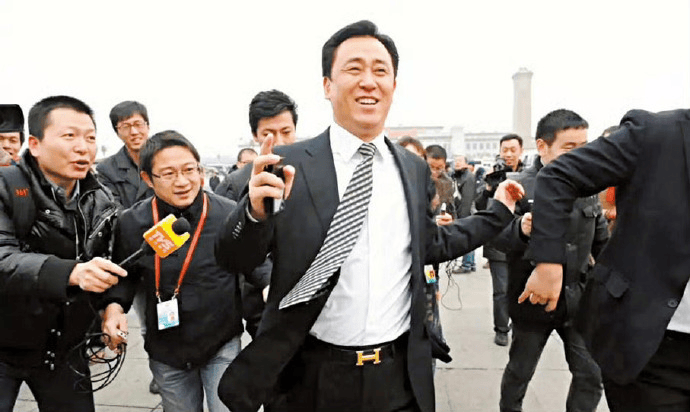
Evergrande was more than a troubled company
Hui Ka Yan, the founder of Evergrande, has pleaded guilty to multiple charges, including illegal fundraising, fraud, unlawful lending, securities fraud, false disclosures, embezzlement, and bribery.
This is not just a company that made poor decisions. Evergrande relied heavily on presale funds, large amounts of debt, and constant expansion to keep itself going. It was a structure that needed new money all the time. As long as sales were strong and confidence stayed high, it could keep moving forward.
Once the market slowed, the weaknesses became obvious.
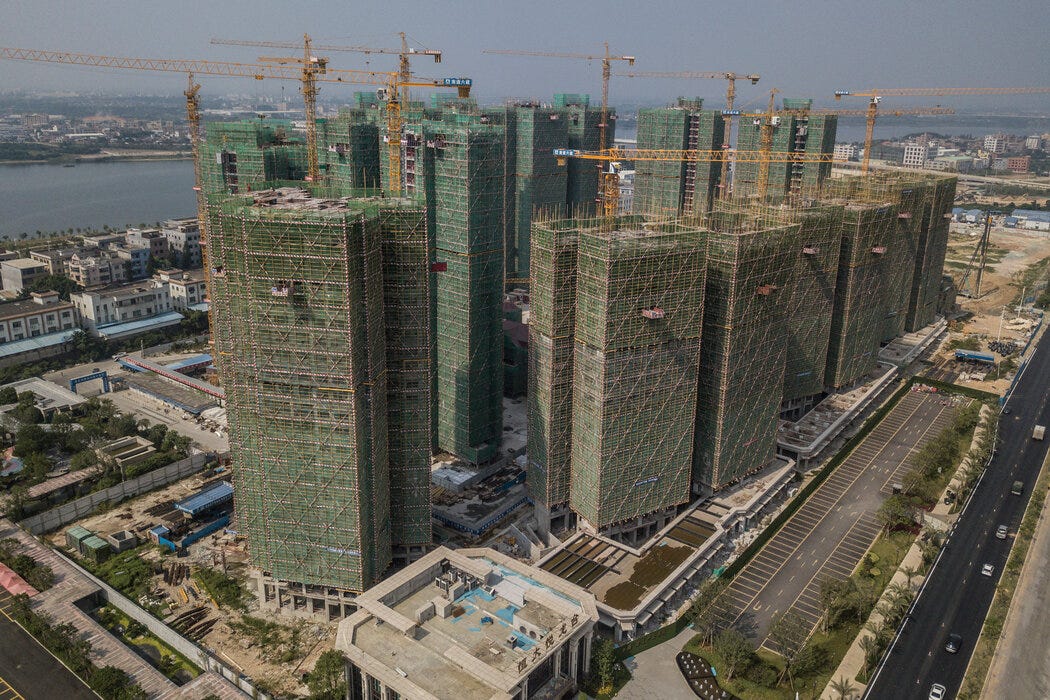
And when Evergrande ran into trouble, the impact went far beyond the company itself. Homebuyers waiting for unfinished apartments, banks exposed to large loans, contractors, suppliers, and even local governments were all pulled into the fallout.
Wealth does not make you untouchable
At his peak, Hui Ka Yan was one of the richest men in Asia. That level of wealth usually brings influence, connections, and a degree of protection.
But in this case, the process has been very public. A formal trial, a guilty plea, and a pending sentence.
That sends a message that is hard to ignore. Being extremely wealthy does not guarantee long-term protection, especially when the scale of the problem starts affecting the broader system.
There is a common assumption that large capital players can always shield themselves. In many places, that assumption often holds. This case shows a different dynamic. When financial risk begins to spill into society at a large scale, the response is no longer limited to market consequences.
“Ensuring delivery” is about people, not developers
A key part of the response has been what is often called “ensuring project delivery.” On the surface, it sounds technical, almost bureaucratic.
In practice, it is very straightforward.
Developers can fail, but ordinary buyers cannot simply be left with unfinished homes and no recourse.
For most households, a home is not just an asset on paper. It represents savings, long-term security, and basic life planning. Large numbers of unfinished projects would not only create financial losses, but also damage trust and stability in a much broader sense.
That is why the approach has focused on keeping projects moving, using financing support and coordination to push construction toward completion, while separately dealing with legal responsibility.
The order here matters. First limit the damage to society. Then deal with the people responsible.
This is the end of an old-growth model
Evergrande is not just one company that went too far. It reflects the limits of a broader approach that shaped China’s property sector for years.
The model was built on leverage, fast turnover, and strong expectations that prices would keep rising. Expansion was driven by borrowing, and borrowing was justified by future sales.
This worked under certain conditions. It depended on demand continuing to grow and confidence staying intact.
Once those conditions changed, the model started to strain.
Today’s data reflects that shift. Investment is down, new construction is down, and sales have slowed. The sector is going through a period of adjustment.
But this is not a sudden collapse. Price declines have been easing in some areas, and major cities are showing signs of stabilizing. The system is not simply breaking apart. It is moving into a different phase.
China is no longer in a housing shortage phase
A lot of commentary still assumes that China is a place where people are still scrambling for basic housing. That picture is outdated.
Housing ownership is already relatively high. Most families have access to a place to live. The main issues now are distribution, affordability, and how deeply housing became tied to finance and speculation.
That shift changes how the sector functions.
Real estate is no longer just a growth driver. It is something that needs to be managed more carefully, especially when it comes to risk.
Policy direction reflects that. Less emphasis on rapid expansion, more focus on stability, balance, and controlling leverage.
This is about limits being enforced
So this is not just a story about a billionaire falling.
What stands out is how the system responds when things reach a certain scale. Once the impact spreads beyond a single company and starts affecting large parts of society, the response becomes more direct.
Hui Ka Yan’s guilty plea points to that moment. It reflects not only personal accountability, but also the end of a business model that relied heavily on continuous borrowing and the assumption that risks could always be pushed forward.
China’s property sector is not disappearing, but it is being reshaped. The role of housing is being pulled back toward something more practical and less speculative.
This process will take time, and it will not be smooth. But the direction is becoming clearer. There are limits, and once those limits are crossed, the response is no longer abstract.


It's good that China cares about the citizens first. 5 years ago we saw images of half-built high rise buildings. A content writer on RedNote showed walked by one of these buildings in a tier 5 city. Is there a disease they can claim, these billionaires, so they can be the victim?