

The past 24 hours have been intense.
If you’ve been following the news, you’ve probably noticed the same thing I have: every hour brings another headline, another strike, another escalation somewhere in the region.
That’s exactly why I started writing these briefings.
The modern news cycle is incredibly fast, but it’s also incredibly fragmented. You see explosions, viral clips, and breaking alerts, but very rarely do you see everything placed into a clear structure.
So that’s what we’re doing here.
Every time a major development happens, I sit down, track the pieces, and rebuild the bigger picture so we can understand what’s actually changing.
Here’s what moved in the last 24 hours.
What Changed In The Last 24 Hours
1. Trump signals U.S. military campaign may be nearing its end
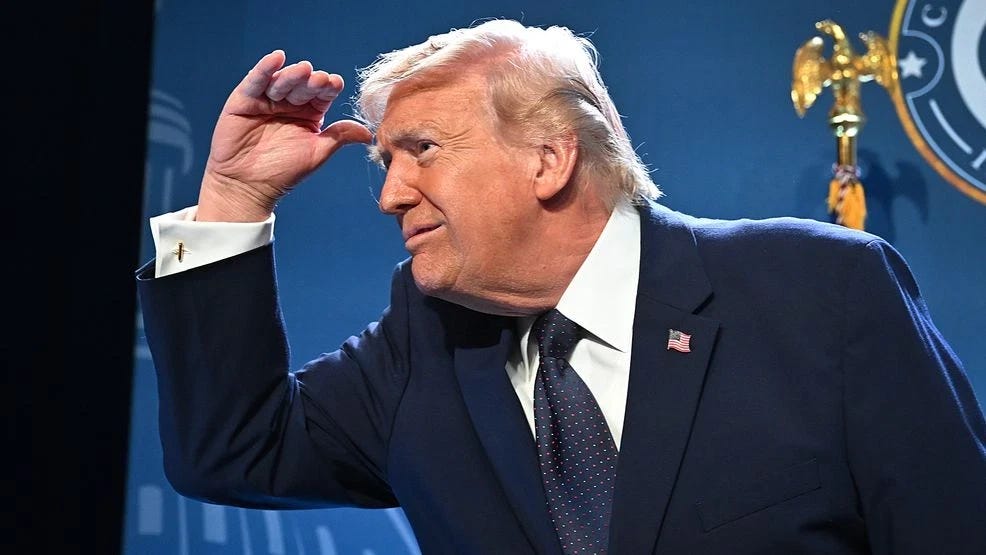
President Donald Trump told Axios in a phone interview that the U.S. military campaign against Iran may soon end because there are “almost no targets left to hit.”
According to Trump, only scattered targets remain and the operation could stop whenever he decides.
However, this statement does not match signals coming from other officials.
Both U.S. and Israeli sources say no internal order to halt operations has been issued, and Israeli leadership continues to indicate that strikes may continue.
In other words, Washington may be signaling a possible off-ramp, but the military campaign itself is still active.
2. Strait of Hormuz crisis deepens
The most dangerous escalation right now is happening at sea.
Iranian officials announced that they will not allow oil shipments benefiting the United States or its allies to pass through the Strait of Hormuz.
Shortly after that warning, multiple commercial vessels were hit by projectiles in the region.
According to maritime security reports:
At least three additional ships were struck in the last 24 hours
The total number of ships hit since the conflict began has now reached at least fourteen
One Thai-flagged cargo ship caught fire after being hit
Three crew members are reported missing
Two other vessels suffered structural damage but remained operational.
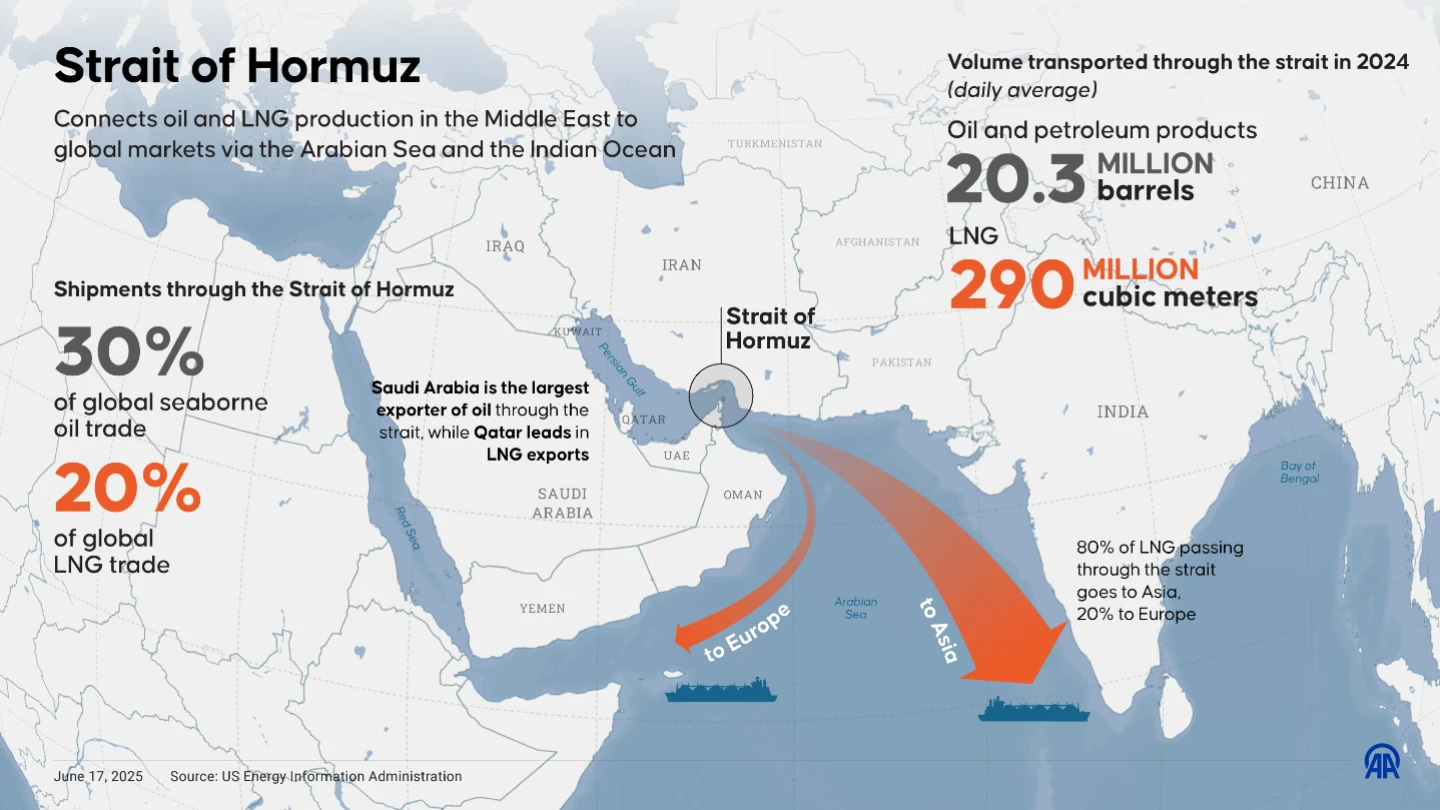
The Strait of Hormuz is one of the most critical energy chokepoints in the world. Roughly 20 percent of global oil supply normally passes through this narrow corridor.
Because of the attacks, shipping traffic has slowed dramatically and insurance costs for vessels entering the region are skyrocketing.
This is the moment when the conflict starts moving beyond the battlefield and into global economic impact.
3. U.S. begins pulling missile defenses from South Korea
Another development that has received less attention but is strategically significant is the movement of U.S. missile defense systems from South Korea to the Middle East.
Reports from South Korea indicate that six THAAD launch vehicles stationed at the Seongju base have been removed and may be redeployed to support operations against Iran.
Local residents initially thought the movement was routine military training, but monitoring cameras later confirmed that the launch vehicles had left the base.
South Korean officials reportedly objected to the transfer but acknowledged that they could not prevent the United States from moving the equipment.
This development matters for two reasons.
First, it suggests that U.S. missile defense resources are under pressure as Iranian drones and missiles continue targeting American and allied facilities.
Second, it reinforces a long-standing criticism inside South Korea: that U.S. military assets stationed there are part of a broader global military network and can be moved whenever Washington decides.
In other words, systems originally deployed in Asia for deterrence can quickly become part of a conflict thousands of miles away.

4. Global oil markets begin emergency response
Energy markets are already reacting.
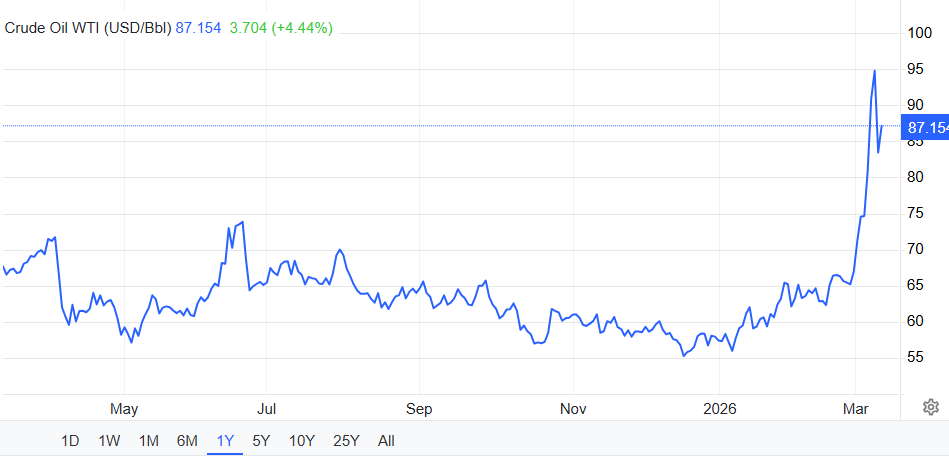
With the Strait of Hormuz under threat, oil prices have surged and governments are preparing contingency measures.
The International Energy Agency has announced plans for a coordinated release of hundreds of millions of barrels from global strategic reserves in an attempt to stabilize markets.
If fully implemented, this would be one of the largest emergency oil releases in modern history.
Markets are now treating the conflict not as a regional war, but as a global supply shock.
5. U.S. casualty numbers confirmed
The Pentagon has confirmed that approximately 140 U.S. military personnel have been wounded during the conflict so far.
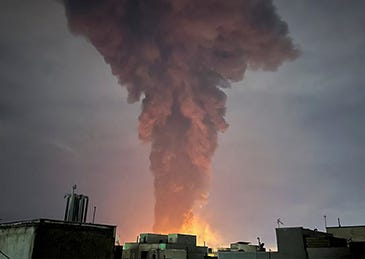
Most injuries occurred during missile and drone attacks targeting American positions in the Gulf.
Several deaths have also been reported.
While the number is relatively small compared with previous wars, it marks the first confirmed wave of U.S. casualties in this conflict.
6. The war continues spreading across the region
At this point the war is no longer confined to Iran and Israel.
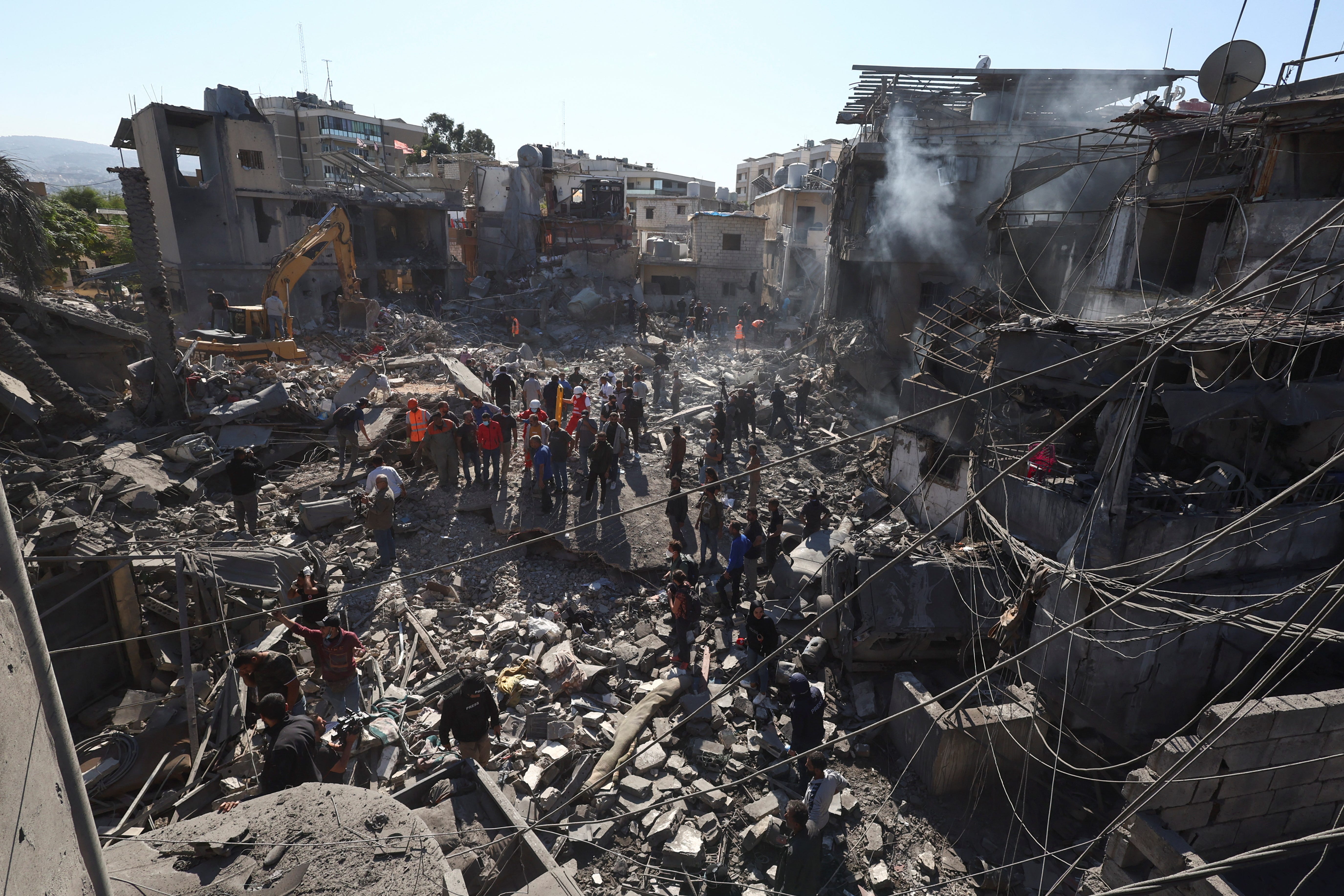
Israel continues conducting strikes against Hezbollah targets in Lebanon, but the humanitarian cost is rapidly rising.
According to Lebanese officials, more than 570 people have been killed and over 1,300 injured in Israeli strikes since early March.
The bombing campaign has also forced nearly 700,000 people to flee their homes, creating one of the largest displacement crises Lebanon has seen in years.
Israeli airstrikes have targeted Hezbollah infrastructure across southern Lebanon, the Bekaa Valley, and the southern suburbs of Beirut.
At the same time, Iranian-aligned groups across the region have launched missile and drone attacks targeting U.S. and allied facilities.
Civil aviation routes across parts of the Middle East have been disrupted and several governments are evacuating diplomatic personnel.
For now, there are no serious ceasefire negotiations underway, meaning escalation risks remain high.
7. U.S. senator claims Israel pushed the United States into the war
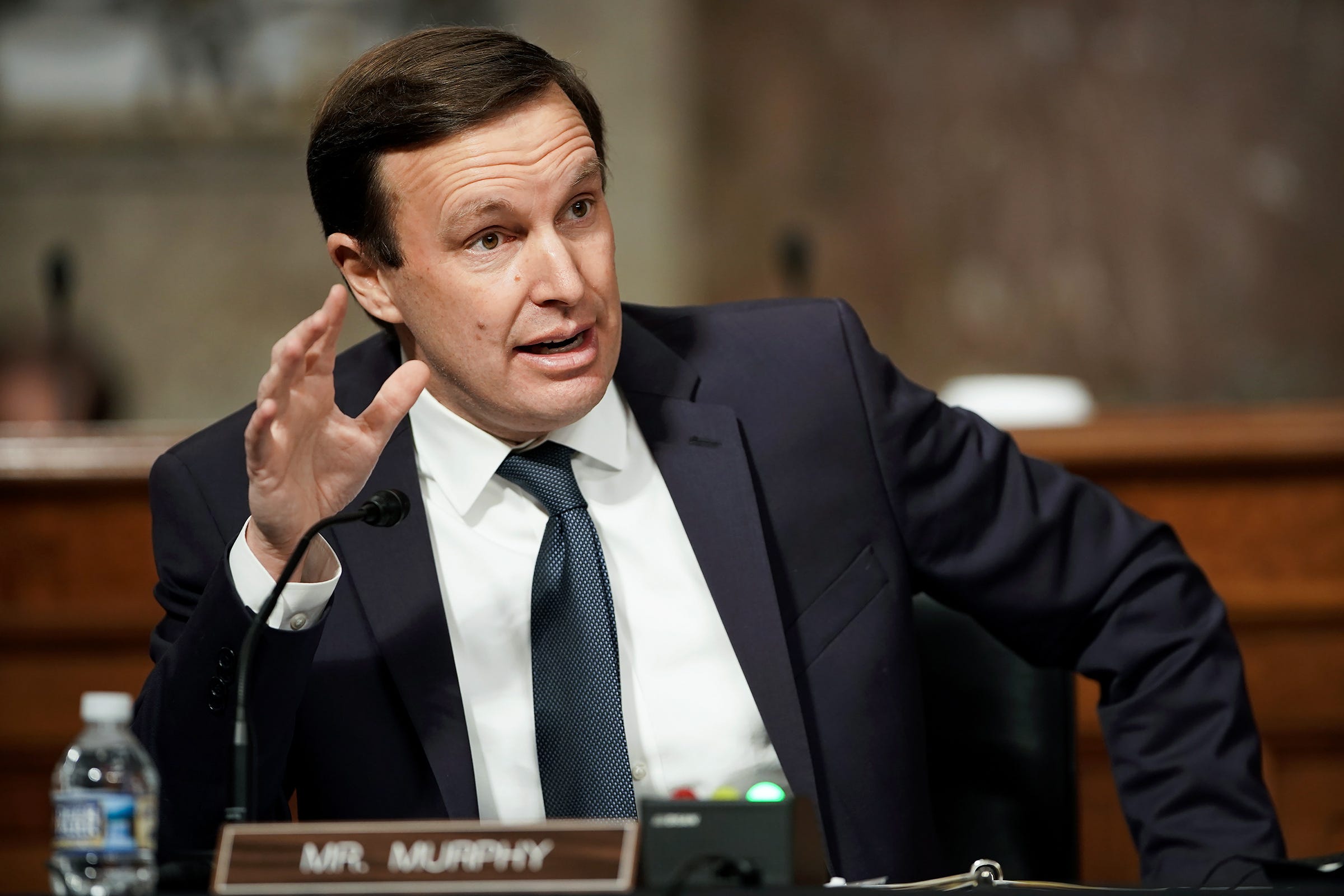
U.S. Democratic Senator Chris Murphy stated publicly that Israel pressured the United States into joining the conflict.
Murphy said Israeli Prime Minister Benjamin Netanyahu:
set the timeline for the attack
warned Trump that U.S. assets in the region were in danger
convinced Washington to join the operation
Murphy argued that Iran’s nuclear program was not the real target of the strikes, and questioned how weak the U.S. must appear if an ally can push it into a war that may not serve American national interests.
8. Germany unusually criticizes Israel over West Bank annexation plans
German Chancellor Friedrich Merz issued a rare public warning to Israel, saying that plans to annex parts of the West Bank would be a “serious mistake.”
Germany traditionally treats Israel’s security as a core national interest, but the ongoing Gaza war and rising violence in the West Bank are creating increasing political tension inside Europe.
Germany’s vice chancellor also clarified that Germany will not participate in the military war against Iran, saying the conflict is “not our war.”
Final Note
This conflict is expanding beyond the battlefield.
Strikes are spreading across Iran, Israel, Lebanon, and U.S. positions in the region, while disruptions in the Strait of Hormuz are beginning to affect global energy markets.
Even if the military tempo slows, the economic and geopolitical consequences may last much longer.
If these briefings help you understand what’s happening behind the headlines, subscribe so you don’t miss the next update.
And if you want to support deeper analysis and help this project grow, you can upgrade to a paid subscription.
Thank you for reading and being part of this.


The humiliation of South Korea truly brings me joy. The North's philosophy of self reliance is vindicated once again.
You are to be commended in appraising these gratuitous war events in a reasonably fair way. My own views of Israel's motivations and DJTbag's reflexes to their stimuli are darker than yours, but not as well informed. We do share a socialist perspective, but that's immaterial here. I expect multilateral (capital) physical intervention soon.Your input is appreciated.