

Middle East War Briefing
U.S.&Israel vs. Iran | Situation Update – March 4, 2026
The pace of escalation in the past 24 hours has been extreme. Airstrikes, missile attacks, leadership assassinations, and regional spillover are all unfolding at the same time. This briefing organizes the key developments chronologically so readers can track what actually changed.
These updates are meant to cut through fragmented news cycles and document the structure of the conflict as it evolves. If you want to follow this situation through structured briefings rather than scattered headlines, consider subscribing. Paid subscribers help support the continued production of this work.
March 4, 2026
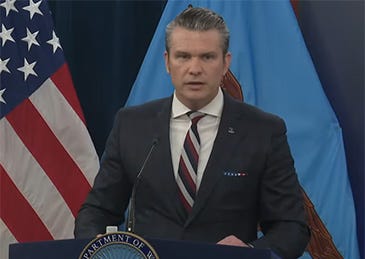
U.S. Defense Secretary claims air superiority could be achieved within a week
U.S. Defense Secretary Pete Hegseth stated that the United States and Israel could fully control Iranian airspace within one week. He said operations will continue “day and night” targeting missile systems and defense industry infrastructure.
He also confirmed that a U.S. submarine torpedoed an Iranian naval vessel in the Indian Ocean. If confirmed, this would be the first time since World War II that a U.S. submarine has used torpedoes against an enemy warship.
China calls for an immediate ceasefire and diplomacy
Chinese Foreign Minister Wang Yi held a call with Saudi Arabia’s foreign minister, urging all parties to stop military operations and return to diplomatic negotiations. China warned that the conflict risks spreading across the Gulf region and threatening maritime stability.
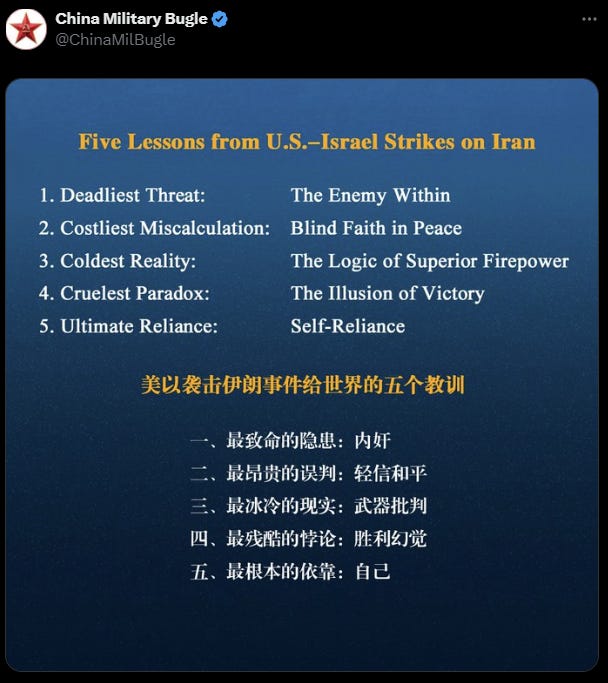
Chinese military media publishes “Five Lessons” from the war
China’s official military media account China Military posted a bilingual message on X outlining what it called “Five Lessons the World Should Learn from the U.S.–Israel attack on Iran.”
Five Lessons from U.S.–Israel Strikes on Iran:
Deadliest Threat: The Enemy Within
Costliest Miscalculation: Blind Faith in Peace
Coldest Reality: The Logic of Superior Firepower
Cruelest Paradox: The Illusion of Victory
Ultimate Reliance: Self-Reliance
Signs of divergence between U.S. and Israeli strategic goals
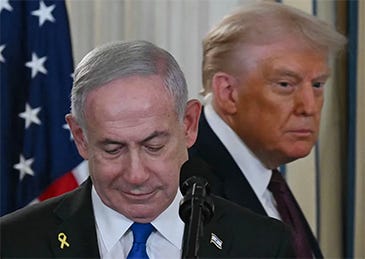
Multiple Western media outlets report growing differences between Washington and Tel Aviv regarding the war’s objectives.
Trump administration messaging increasingly focuses on destroying Iran’s military capabilities and missile infrastructure. Israeli leadership continues to openly discuss regime change.
This difference may become more visible if the war continues for weeks rather than days.
Israeli defense minister threatens to assassinate Iran’s next Supreme Leader
Israel’s defense minister publicly stated that any future Iranian Supreme Leader who continues hostility toward Israel and the United States will become a target for assassination.
This statement effectively transforms Iran’s leadership succession process into a military target.

Iran claims control of the Strait of Hormuz
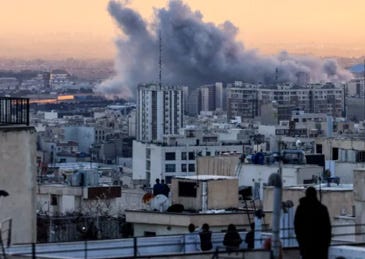
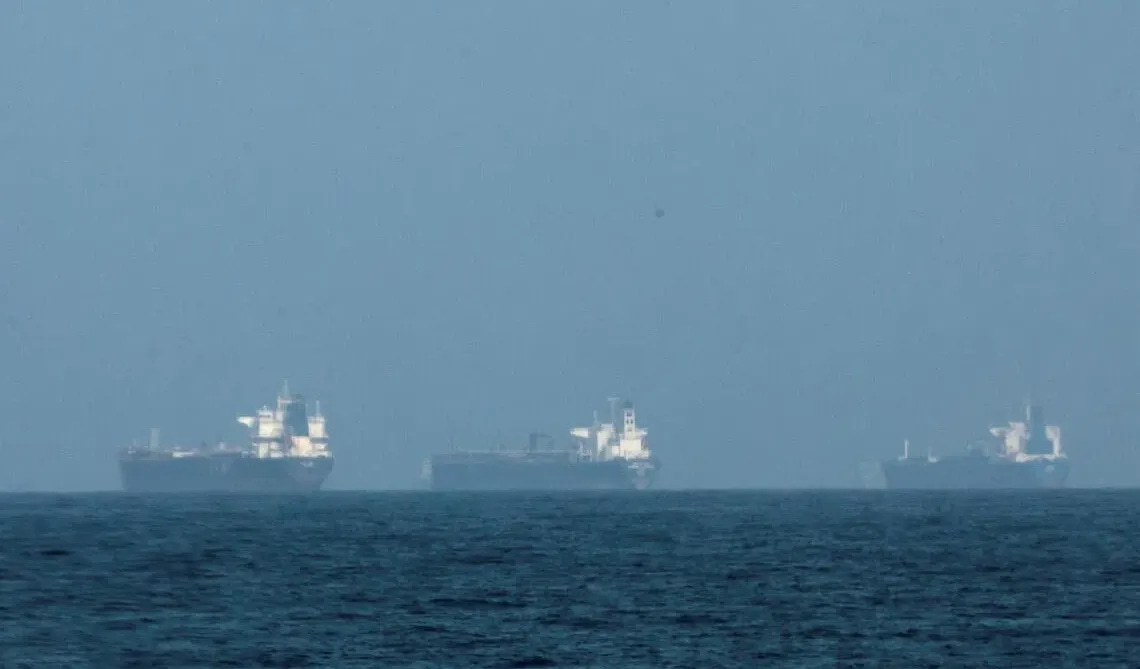
Iran’s Revolutionary Guard Navy announced that the Strait of Hormuz is under full Iranian control and that multiple oil tankers ignoring warnings were struck by artillery or drones.
Independent verification remains limited, but even partial disruption of the Strait would have major global energy consequences.
Missile strike reported at the U.S. Al Udeid Air Base in Qatar
Qatar reported that one Iranian ballistic missile struck the Al Udeid Air Base, the largest U.S. military base in the Middle East.
No casualties were reported. Another missile was intercepted by Qatari air defenses.

Suspected drone strike near CIA facility in Saudi Arabia
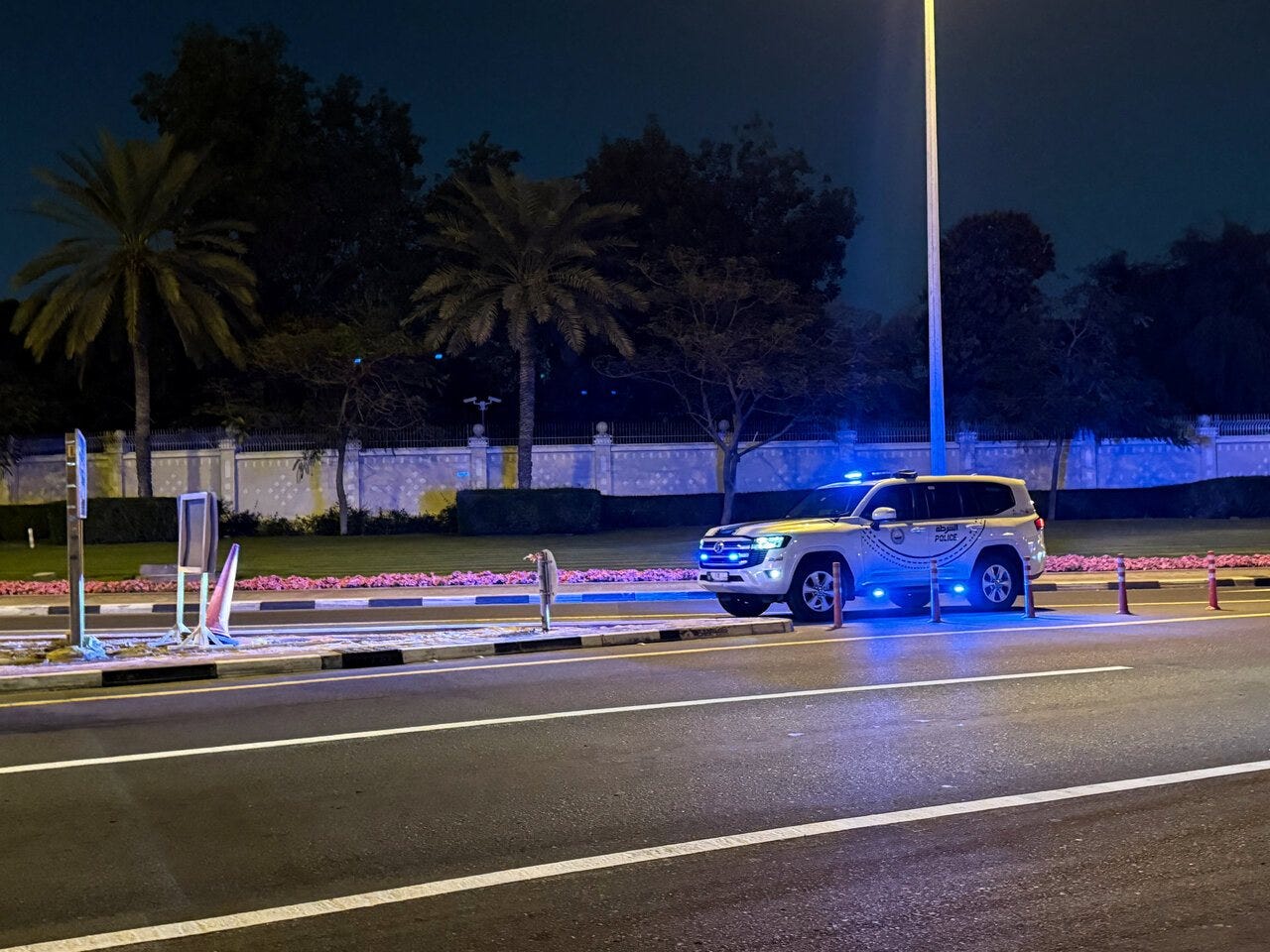
Reuters reported that a suspected Iranian drone struck near a CIA station inside the U.S. embassy compound in Saudi Arabia. The incident caused a small fire but no casualties.
Events involving diplomatic compounds often carry escalation risks because they can be framed as attacks on U.S. sovereign facilities.
U.S. identifies four of six soldiers killed in Kuwait
U.S. officials released the identities of four service members killed in Iran’s March 1 strike on a temporary operations facility at Shuaiba Port in Kuwait. The attack killed six American troops and wounded 18.
The Pentagon named Capt. Cody Khork (35), Master Sgt. Noah Tietjens (42), Master Sgt. Nicole Amor (39), and Sgt. Declan Coady (20, posthumously promoted). All were assigned to the Army Reserve’s 103rd Sustainment Command (Expeditionary) based in Iowa. Two additional fatalities have not yet been identified.
At the same time, several organizations report that Iranian civilian deaths from the ongoing strikes have exceeded 1,000.


March 3, 2026
Airstrike reported near Iran’s Assembly of Experts facilities in Qom
Israeli and U.S. strikes reportedly targeted a building connected to Iran’s Assembly of Experts in the city of Qom.
The Assembly of Experts is responsible for selecting and supervising Iran’s Supreme Leader. Targeting infrastructure connected to this institution carries significant political implications.

Reports confirm Mojtaba Khamenei remains alive
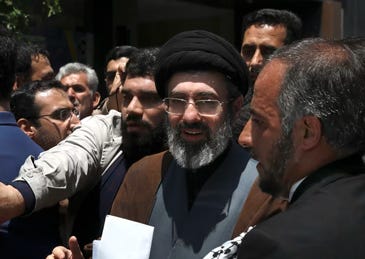
Iranian media reported that Mojtaba Khamenei, son of the late Supreme Leader, remains alive and continues handling state affairs. Some analysts view him as a possible successor in Iran’s leadership transition.
Final Note
This conflict is no longer just a sequence of airstrikes. It is beginning to affect leadership structures inside Iran, regional security dynamics across the Gulf, and potentially global energy routes.
I will continue tracking the timeline as events unfold. If you want structured briefings like this as the situation develops, consider subscribing. If you believe this type of analysis is worth sustaining, becoming a paid subscriber helps keep this work going.


This is Bannon's strategy: flood the zone. Hegseth wrote a book called American Crusade where he talks about going after China. God, what the hell are we going to do, Neil? 😞 Thanks as always for your coverage, you're the best 💜🙏🏻