

This war feels like it has entered a different phase now. It is no longer just the opening stage of broad strikes, shock attacks, and raw escalation in every direction. More and more, what we are seeing are targeted killings, attacks on key infrastructure, and more precise strikes against senior officials and strategic facilities.
That does not mean the war is stabilizing in any peaceful sense. It means it may be settling into a harsher balance - one where both sides are trying to damage the other in more calculated ways without immediately triggering total collapse. In some ways, that kind of balance is even more dangerous.
I’ll keep putting these briefings together regularly to keep you updated. There is too much noise, too much propaganda, and too much fragmented coverage around this war. The goal here is to keep the developments in order and make it easier to see what is actually changing.
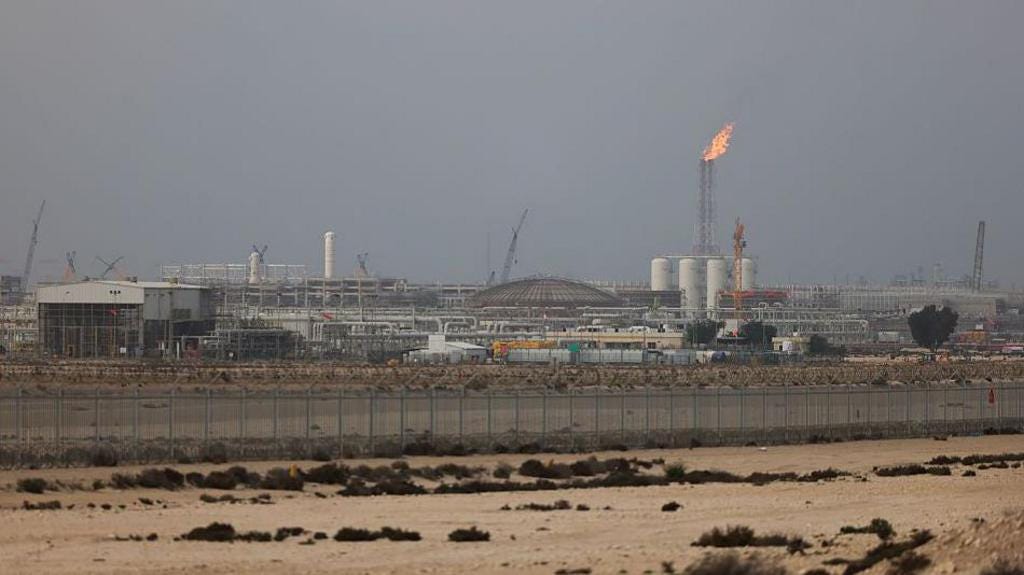
Trump Knew and Approved Israel’s Strike on Iran’s Biggest Gas Field
According to U.S. officials cited by The Wall Street Journal, Trump knew in advance about Israel’s strike on Iran’s South Pars gas field and supported it. The strike was reportedly meant as a warning to Iran over the Strait of Hormuz. U.S. officials also said Trump currently opposes further attacks on Iranian energy infrastructure, but that could change if Iran takes further action.
This is one of the biggest escalations so far. South Pars is the world’s largest natural gas field. Once a war moves directly into core energy infrastructure, it is no longer just a military confrontation. It starts pushing into the economic arteries of the region.
This is not just escalation. It is strategic recklessness. Washington and Tel Aviv can call it signaling if they want, but once gas infrastructure becomes a target, they are gambling with the wider region’s economic stability, not just pressuring Iran.
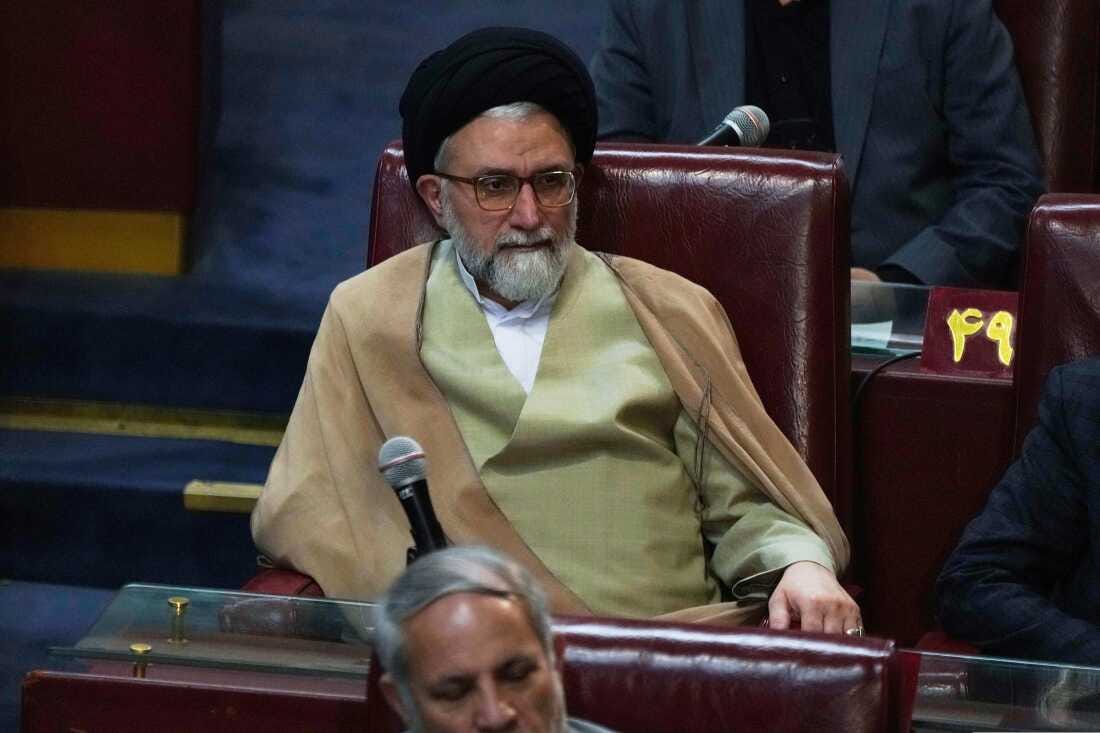
Iran Confirms Intelligence Minister Esmail Khatib Was Killed
Iranian President Pezeshkian has confirmed that Intelligence Minister Esmail Khatib was killed. In the same statement, he also mourned other senior figures, family members, and parts of their accompanying teams. Israeli officials had already claimed they targeted Khatib, and now Iran has effectively confirmed the loss itself.
This is significant because Khatib was not just another official. He was deeply embedded in Iran’s intelligence and security structure, with ties across the Revolutionary Guard, the judiciary, and the leadership circle. His death shows that the war is increasingly focused on the upper layers of the Iranian state, not just military sites or field commanders.
But these assassinations should not be overstated. Killing senior officials can create disruption, fear, and internal strain. It does not automatically mean the state is close to collapse, no matter how triumphantly that story gets sold.
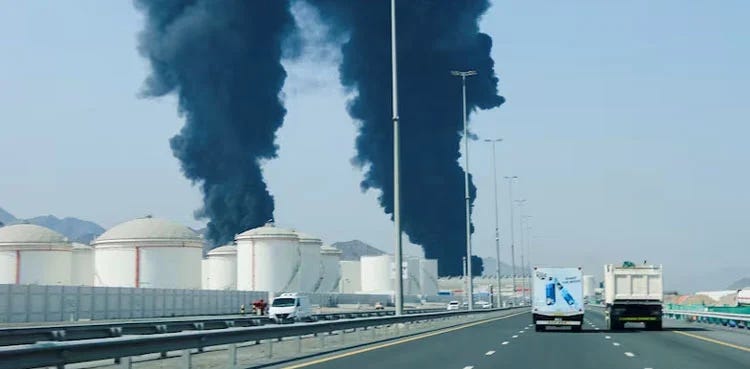
Iran Warns Gulf Oil and Gas Facilities Are Now “Legitimate Targets”
Iran’s Revolutionary Guard has warned that oil and gas facilities in Saudi Arabia, the UAE, and Qatar are now legitimate targets. The statement named specific facilities and warned nearby workers and residents to leave the area. Iran framed this as direct retaliation for attacks on its own energy infrastructure.
That is a dangerous shift. Once Gulf energy infrastructure becomes part of the target list, this is no longer just a war between Israel and Iran. It becomes a regional threat to the wider energy system that global markets depend on.
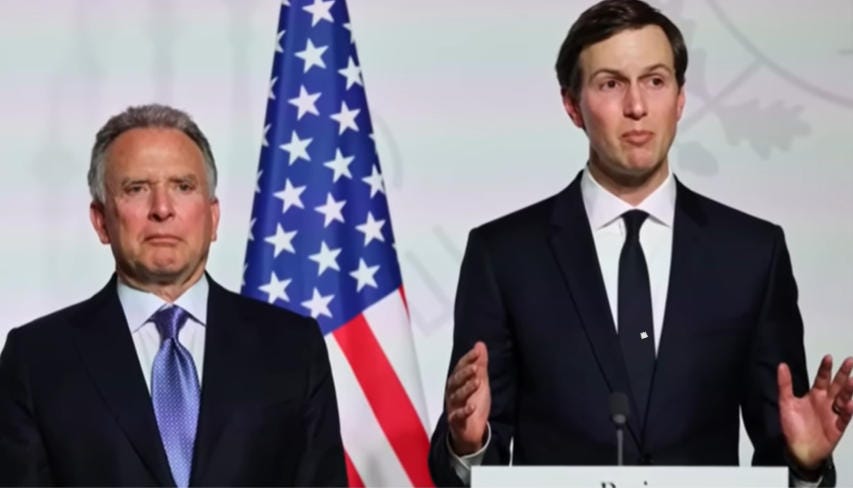
New Reporting Suggests Diplomacy Was Still Alive Before the War
A new report from The Guardian says the last round of U.S.-Iran negotiations may have been making real progress before the war began. According to the report, British officials believed Iran had made unexpectedly serious concessions, and some in the region viewed Witkoff and Kushner less as neutral negotiators and more as people aligned with Israeli priorities.
That matters because it weakens the later claim that war was the only remaining option. If diplomacy was still alive, then the path to war looks less like necessity and more like political choice.
And that matters a lot. Because once the “there was no alternative” story begins to crack, the entire moral theater around this war starts looking thinner. If Washington was still testing diplomatic exits while talking tough in public, then for all the macho posturing, it was not acting from a position of calm supremacy. It was feeling the risk too.
Netanyahu Keeps Posting Videos to Prove He Is Alive
Netanyahu has now posted videos for three straight days to show that he is alive, responding to online rumors that he had been killed or replaced with AI-generated footage. In one clip, he even joked about the claims while meeting the U.S. ambassador.
On one level, this is absurd. On another level, it says something real about how distorted the information environment has become. This war is now being fought not only through missiles and assassinations, but also through rumor, digital manipulation, and spectacle.
That is the surreal layer of this conflict. Real infrastructure is burning, real officials are dying, and yet prime ministers are also being pushed into posting proof-of-life content like internet personalities. That is what a warped information war looks like.


Rising Gas Prices Are Starting to Hit Trump’s Base
One recent U.S. report featured a Pennsylvania woman who voted for Trump three times and is now openly furious over rising gas prices, even calling herself an idiot for supporting him. Other Trump voters in the same report still defended the war and said higher fuel prices were worth it.
That contradiction matters. Material pressure is starting to show up at the pump, but political loyalty is still keeping much of the base in line. Once again, ordinary people are the ones paying for decisions made at the top.
Trump sells strength as theater. But when the costs of war start landing on regular people in the form of fuel prices and economic strain, the performance gets harder to maintain. And when a president who brands himself as dominant ends up being defied by countries Washington still likes to look down on, that is not strength. That is an exposure of imperial limits.

Final Note
The pattern is becoming clearer. This war is moving away from the opening phase of broad shock attacks and into something more targeted, more selective, and in some ways more dangerous. Senior officials are being killed. Energy infrastructure is being hit. Gulf states are being pulled closer to the line of fire. And the argument that diplomacy had been exhausted is looking weaker.
If you’ve been finding this useful, please consider subscribing. And if you’d like to support this work more directly and help me keep producing these updates regularly, consider upgrading your subscription as well. I’d really appreciate it.


Around the world, millions unite in grief as Benjamin Netanyahu is found alive
The U.S./Israelattack on South Pars expanded the economic war. Iran is crippling Persian Gulf oil and natural gas production long-term, devastating Gulf State economies. The global threat: 1. shortages shut down electrical grids; 2. energy prices rise; 3. loss of fertilizer causes mass hunger; 4. loss of Gulf State financing, increased energy costs, and helium for production cripples AI stocks and Wall Street. The world enters recession, runaway inflation, possibly great depression. The global majority has nothing to lose but their chains.