

1. The basic conflict
A lot of Western commentators like to throw out one lazy line:
“Chinese students join the Communist Party because of brainwashing.”
It sounds simple. It also explains nothing.
There is a basic fact they ignore: among Chinese university students, the proportion who apply to join the Communist Party is much higher than in society as a whole, and the competition is intense. In some majors, fewer than ten percent of applicants actually become full Party members.
These students are actually lining up to join the party. Some student leaders even worry that without Party membership, their chances for grad school or certain jobs will be weaker.
As a Party member, it becomes easier for you to be trusted and given responsibility when you look for a job later on, because going through all these steps proves that you are reliable and worth relying on.
2. How hard is it to join, really?
People outside China underestimate how structured the process is. On campus, joining the Communist Party is not a form you fill and forget. It is more like a multi-year selection process.
Most universities follow steps like these.

Step 1: Submit an application
Anyone can write an application letter. Many do. But the application is not a ticket into the Party. It is only the starting point.
Once you submit, your counselor and the Party branch will quietly observe you for months. They are looking at your academic performance, your behavior, your social role.
Step 2: Become an “active applicant”
To be officially listed as an “active applicant” (积极分子), you usually need recommendations from teachers and classmates, a trustworthy reference, and you are judged on grades, conduct, and your role in student life.
Many universities openly say: the number of active applicants is capped at maybe 10 to 20 percent of the class.
This is the first real filter. Most people never pass this line.
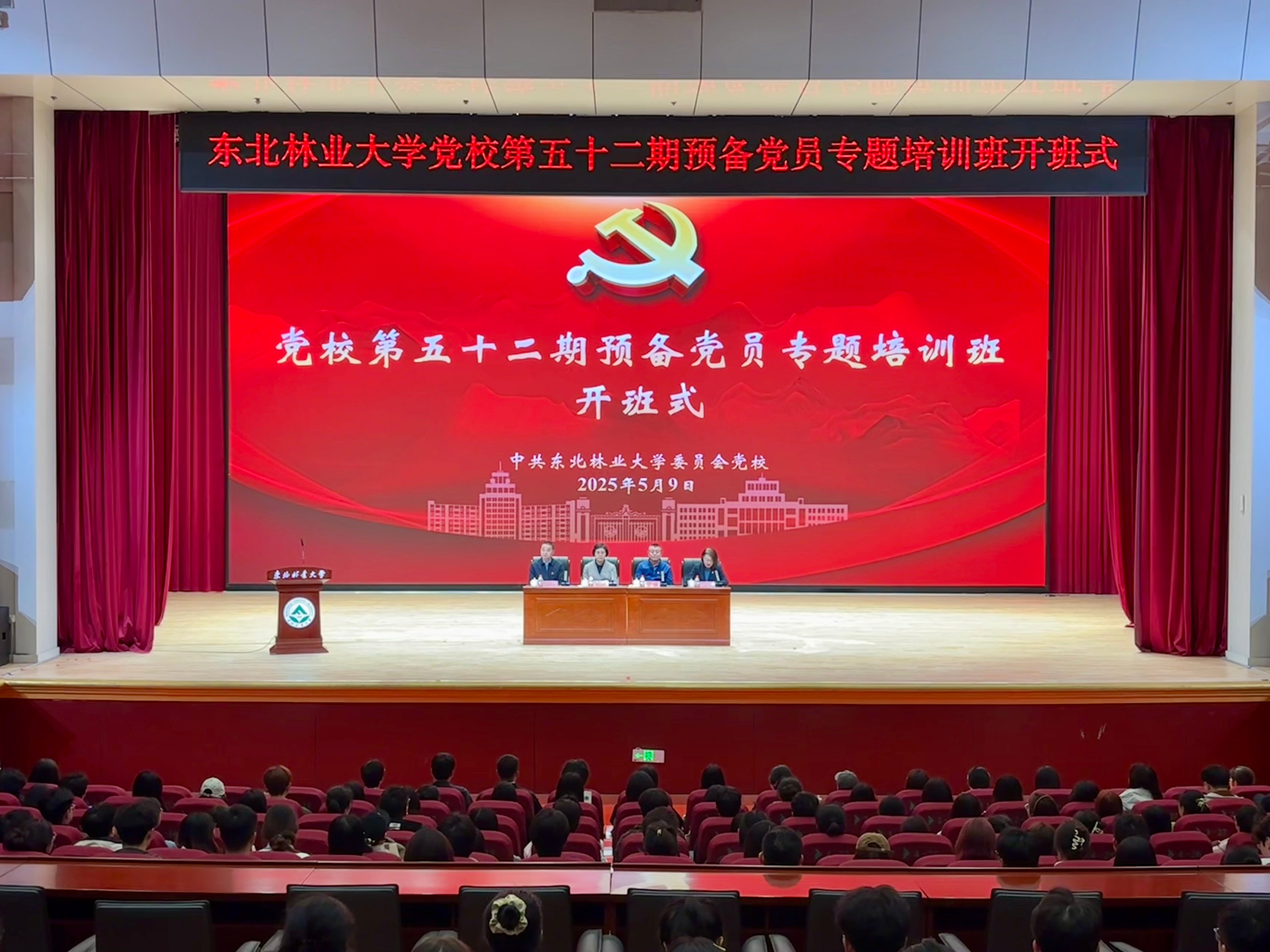
Step 3: Party school training
If you get selected, you attend Party school training. It is a short but systematic course.
Content typically covers Party history, governing philosophy, state structure, national development strategy, and case studies of reforms and campaigns. The goal is to explain how the country is actually run, not just to shout slogans.
Training ends with exams or written assessments. Only those who pass move on.
Step 4: “Development target”
Next you may be named a “development target” (发展对象). This is where the screening gets serious.
You go through basic political vetting, which can include family background and any past records. Your teachers and the branch evaluate your community service, your real responsibilities in class or clubs, and your willingness to take on boring, unglamorous work.
This is not about having a “red family background”. It is about whether you are reliable, disciplined, and willing to handle public affairs.
The students who never show up, never help, never take any responsibility, usually do not get this far.

Step 5: Probationary Party member
If the branch agrees, there is a Party branch meeting and a formal vote. You need to receive more than half the votes in favor. That is not just a checkbox. If you have clear negative records, that will surface and you will likely fail.
If you pass, you become a probationary Party member for around one year. During that year, your performance is continuously monitored.
Step 6: Full Party member
After the probation period, you submit another report on your thoughts and performance. The branch discusses again and votes again.
If you pass, you become a full member. If you do not pass, you may extend probation or be denied.
It is a 1 to 3 year process of selection, observation, and testing.
3. Why do students want to join?
Western media likes to give one conspiracy explanation. Reality is more mixed and more grounded.
Confidence in the country’s future
If you have no confidence in your country’s future, you will not spend two or three years in university going through a long process to join the ruling party. That is just common sense.
For many students, joining the Party is a statement about what direction they believe this country is moving toward.
Understanding how the system works
In China, the Party is not just a campaign machine. It is the core of the political and governance system.
For students, joining the Party is a way to place themselves closer to this system. Not just to “get a job in the state sector”, but to understand how policies are made, how decisions are implemented, and how social governance actually works.
Professional advantages
No, Party membership does not magically turn you into an “official”. But in many sectors it functions as a credibility signal.
In big state-owned enterprises, research institutes, schools, some hospitals, and certain private companies that work closely with the state, Party membership tells HR: this person has a clean record, can follow rules, and is trusted by a formal organization.
It does not guarantee promotion, but it helps.
A sense of public service
Look closely at many student Party members. You will find a pattern: they are the ones organizing activities, doing campus logistics, joining volunteer programs, helping with dorm issues, or assisting teachers.
They do not just talk about “serving the people”. They are the first to show up and the last to leave.
4. What changes after they join?
Joining is not the end. It is the entrance ticket.
Regular thought reports
Members regularly write “thought reports” to reflect on what they are doing, what problems they see, and what responsibilities they think they should take.
It is a training in political and social self-reflection. The aim is to force you to think in terms of public interest, not just personal gain.
Organizational life
Party branches hold regular meetings for study and discussion. Members discuss current events, policies, governance cases, and sometimes local issues on campus.
Attendance is not optional. This is part of discipline.
More obligations, not fewer
Party members are expected to step up in campus affairs, public service, and difficult tasks. When something goes wrong, the branch will look at the members first and ask: where were you, what did you do.
You get more work and more scrutiny, not less.
Clean records
Serious misconduct can lead to Party disciplinary actions, including being stripped of membership.
Cheating in exams, academic fraud, criminal behavior, or repeated disciplinary problems can all have consequences at the Party level.
Membership comes with advantages, but it also locks you into higher standards.
5. How is this different from joining a party in the United States?
This is where the misunderstanding usually starts.
In China, the Communist Party is a governing machine and an organizational network. In the U.S., the Democratic and Republican parties are primarily electoral machines and fundraising networks.
That difference changes everything about “joining a party”.
Barrier to entry
In China, Party membership is selective. Only a small proportion of university students will ever become full members. It takes years, training, vetting, and votes.
In the U.S., “joining a party” often just means registering as a Democrat or Republican when you sign up to vote. There is no training, no vetting, no real selection. Anyone can tick the box.
Role in daily life
In China, Party branches exist inside workplaces, universities, neighborhoods, and state institutions. They handle internal governance, political study, and sometimes conflict resolution.
In the U.S., parties do not run your workplace. There is no “Democratic Party cell” inside your company organizing weekly meetings. Parties show up during elections and fundraising cycles, then retreat.
Obligations versus branding
In China, being a Party member means you must follow organizational discipline, attend meetings, write reports, and accept internal supervision.
In the U.S., being a “party member” is mostly a label. You can register Democrat and then never attend a meeting, never read a document, never do any party work. Nobody expels you for that.
Function in the system
The Chinese Communist Party is the core of state power. Membership is partly about integrating into the state’s governance structure.
U.S. parties are vehicles to compete for power inside a system that is already set up. They do not themselves form a permanent administrative hierarchy that runs schools, factories, and communities.
So when Western commentators say “people join the Party in China” and compare it to “being a Democrat or a Republican”, they are comparing two very different things.
One is a governing structure that controls real resources and responsibilities. The other is a campaign structure that mostly exists during election cycles and in media narratives.
6. Why Western media misreads this
Western outlets keep making the same category mistake: they treat the Communist Party as if it were just another Western party with Chinese decoration.
In the U.S., parties are short-term political tools. They exist to win elections, frame narratives, and secure donations. Membership is shallow and transactional.
In China, the Party is an organizational backbone of the state. It is embedded in ministries, enterprises, schools, and communities. It is less about slogans and more about day to day governance and control of resources.
7. Conclusion
University students in China do not join the Communist Party by accident. It is a long process that tests discipline, performance, and alignment with the country’s political direction. It brings real responsibilities and some real advantages, especially in institutions close to the state.


