

When Western media talk about China, they like to say one line:
“China does not elect its leaders, they are just appointed from above.”
What they almost never explain is how those people are judged, promoted or sidelined.
Under the surface, China runs a very detailed performance evaluation system for officials - a KPI machine that has been refined for decades.
In the United States, by contrast, the real evaluation tool is much simpler: win elections, raise money, keep donors and media happy.
If you only look at ballots and ignore scorecards, you miss how power actually works.
1. What is the cadre KPI system
In China, most political and administrative leaders are “cadres”. They move up, across or down through an internal Party managed system.
The core tool is something scholars call cadre evaluation targets.
For each position, higher level authorities set a bundle of indicators, usually grouped around three broad goals:
Economic development
Social stability
Party building and governance
Over time, more items have been added, like environmental protection and poverty reduction. Some are “hard” numeric targets. Others are “one vote veto” tasks - if you fail there, your promotion is blocked no matter what you did elsewhere.
So on paper, an average county leader is not only told “be loyal”. They are also handed a list of things they are supposed to deliver.
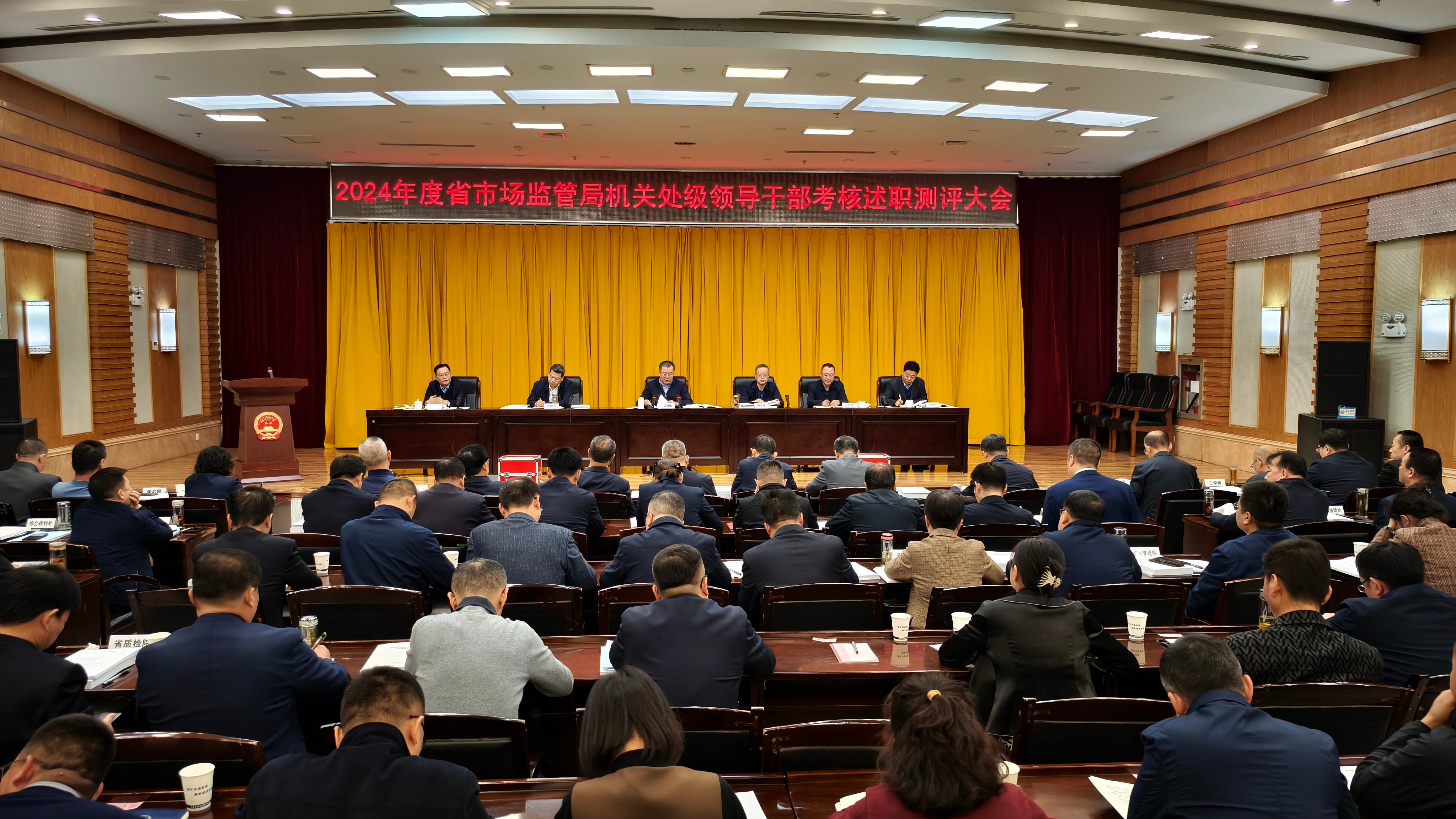
2. What actually goes on the scorecard
Research on the system shows a few patterns.
Historically, the biggest weight was on:
GDP growth and fiscal revenue
Investment and urban construction
Later, Beijing started to add and strengthen other items:
Environmental targets as binding constraints, often with one vote veto status
Social stability indicators, including mass incidents and major safety accidents
Poverty alleviation and “high quality development”, not just raw growth
The Organization Department of the Party Center has gradually unified and specified these metrics, making them more standardized and more tightly monitored down the hierarchy.
Is everything perfectly measured
Of course not. But there is a sheet, and it does matter for careers.
3. How evaluation affects promotion and survival
Promotion odds for local officials have long been linked to performance on these targets, especially economic growth, and increasingly things like pollution control and safety.
The basic loop looks like this:
Targets are set at the beginning of a term or year
Data, inspections and feedback are collected
Higher levels review the numbers and the record
When positions open, the evaluation file moves with the cadre
If you:
Hit growth numbers
Keep your area relatively stable
Avoid major environmental or safety disasters
your name is more likely to be considered for promotion or a better post.
If you:
Miss binding targets
Preside over serious accidents or unrest
you can be denied promotion, moved sideways, or in severe cases investigated and removed. The “one vote veto” mechanism makes this explicit.
So Chinese officials are not living only on media performance or slogans. They know there is a file on them, full of numbers and incidents, sitting in an office that can decide their future.
4. What the U.S. system uses instead
Now contrast this with the United States.
On paper, accountability is simple:
Officials are elected
If voters are unhappy, they can vote them out
In practice, the daily reality for a U.S. politician is driven by:
Fundraising
Media and polling
Party loyalty and primary challenges
There is no central KPI sheet that says:
“You must raise median income in your district”
“You must improve healthcare coverage by a certain amount”
“You will be removed if infrastructure and public services collapse”
If a senator keeps donors satisfied, dominates media airtime and successfully blames the other party, they can stay in office for decades, even if real social indicators in their state go nowhere.
So yes, there are ballots.
But there is no systematic performance file that links concrete outcomes to a career path. The invisible scorecard is mostly:
Money raised
Votes won
Narrative control
Everything else is background noise.
5. Where AI and data fit into this
Both systems are moving into an AI and big data era, but in very different ways.
In China, more digital tools mean:
Finer grained monitoring of GDP, pollution, safety, poverty and public opinion
More real time dashboards for higher level authorities
Stronger links between measurable outcomes and cadre evaluation
Studies already talk about environmental targets and “one vote veto” rules being embedded deeper into the evaluation system as data quality improves.
In the U.S., AI is already being used to:
Micro target voters
Test political messages
Raise money more efficiently
Shape news feeds and attention
If you do not change the underlying logic, AI simply makes campaign politics and influence operations more precise, not more accountable.
So the real question for the AI age is not “who has the best model”, but:
In China, will AI make KPI based governance more data driven and balanced, or just more number obsessed
In the U.S., will AI deepen a system where performance is judged mainly by fundraising and outrage
If you ignore that, any discussion of “democracy vs authoritarianism” stays at the slogan level.
6. Ballots, scorecards, and what really matters
Strip away the flags and speeches, and you get two different technologies of rule:
China uses an internal KPI system for cadres - economic growth, stability, environment, poverty, Party building - managed and adjusted by the Party’s organization departments.
The U.S. uses open elections, but the real filters are money, media and permanent campaigning.
Ballots matter. Scorecards matter.
This is where the global AI debate should start:
what exactly are we optimizing for, who writes the targets, and who pays the people that are being “measured”.


