

I’m doing these briefings because too much of the most important information gets downplayed, buried, or left out entirely in U.S. and Western coverage. But if you look across Chinese media, regional reporting, and other non-Western sources, a much bigger picture starts to come into view.
So that’s what I’m doing here, pulling those pieces together in one place, so you can see beyond the usual information bubble.
And to everyone reading, thank you. If you want to follow these briefings, subscribe. If you want to support this work and help keep it going, consider upgrading to a paid subscription.
Northern Israel remains under heavy pressure
On the night of March 11 alone, nearly a hundred rockets were fired toward northern Israel, according to a warning issued by the Chinese embassy in Israel. The embassy said the attacks caused injuries and property damage, and urged Chinese citizens in northern Israel to leave for safer areas as soon as possible rather than assume the danger will pass.
That matters because it shows the war is no longer limited to Israeli strikes on Iran and Iranian retaliation in the abstract. Northern Israel is now under sustained pressure, and the Lebanon front is helping turn that pressure into a broader regional crisis.
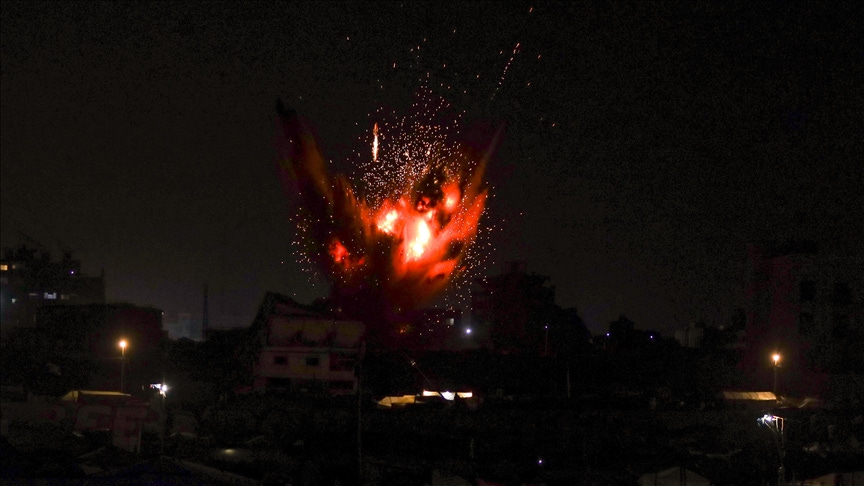
At the same time, an Israeli official reportedly threatened that parts of Beirut could “become Gaza” if the Lebanese government does not restrain Hezbollah. Hezbollah, for its part, said it struck a military intelligence site near Tel Aviv. The logic here is obvious and ugly. The language is no longer about deterrence. It is about collective punishment.
Iran’s new supreme leader sets a harder line
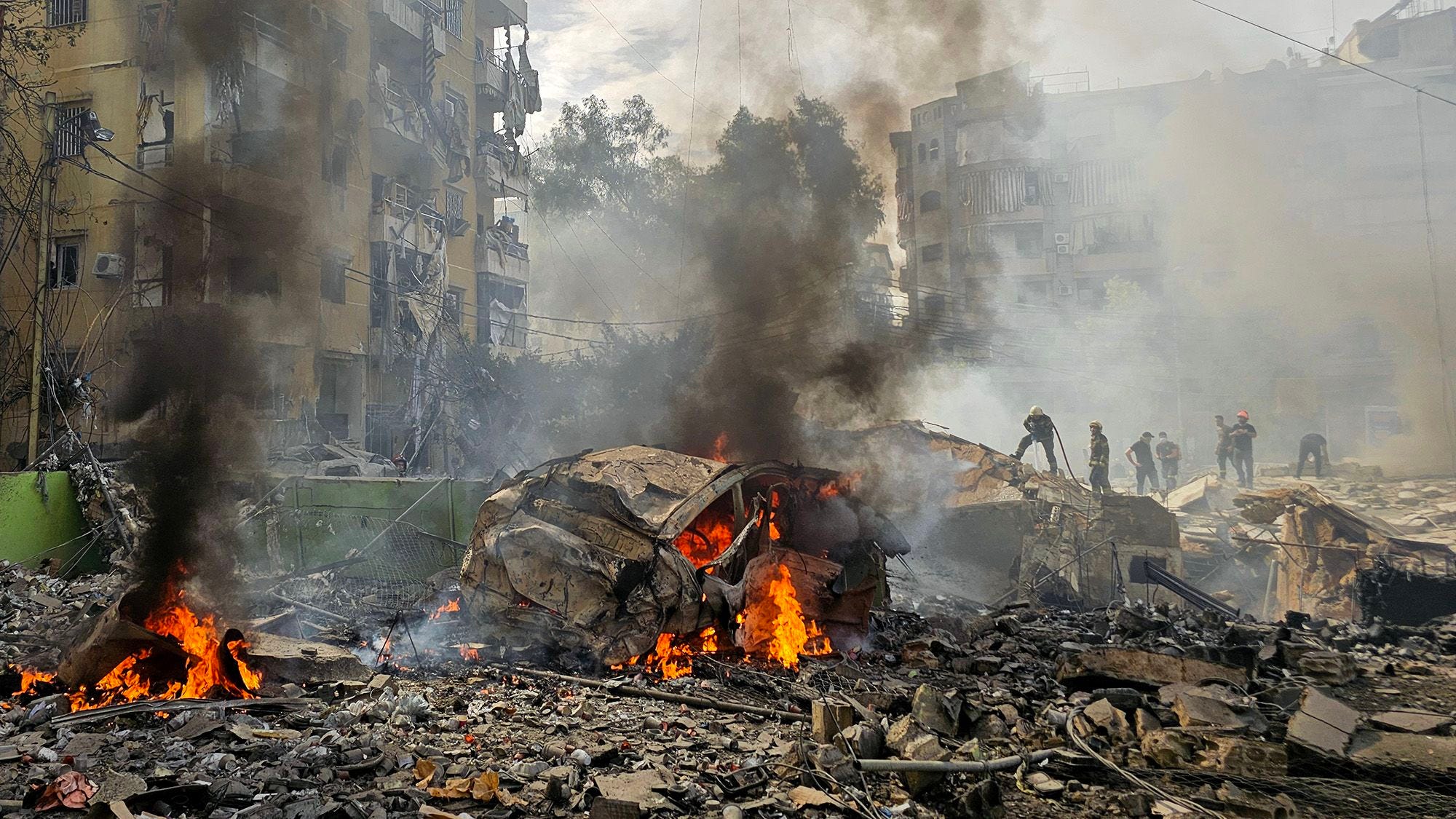
Iran’s new supreme leader, Mojtaba Khamenei, delivered his first speech since taking office, and the message was unmistakably hardline.
He called for national unity inside Iran and told the public to set internal disputes aside during this period of crisis. He said Iran should continue using the threat of closing the Strait of Hormuz as leverage against its enemies. He vowed revenge for those killed in the conflict, not just senior leaders but every Iranian victim. He also urged neighboring countries to shut down all U.S. military bases in the region and warned that Iran may continue striking those bases in the future.
This was not just symbolic rhetoric. It was an attempt to stabilize the home front while making clear that Iran has no intention of backing down. Tehran is still trying to raise the cost of this war for the United States, Israel, and every regional state that helps host U.S. military infrastructure.
In that strike that killed Iran’s Supreme Leader, he didn’t just lose his father. He lost his mother, his wife, one of his sons, and several other close family members in the same blast.
The school strike in Iran looks more and more like a U.S. attack
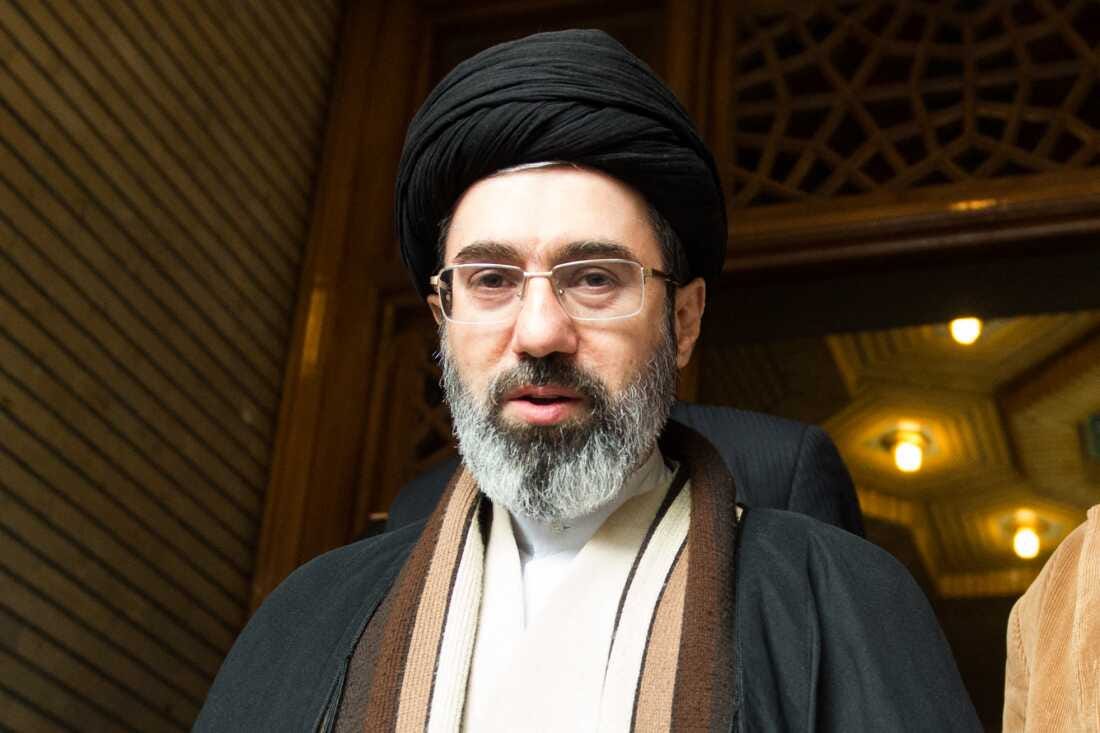
The story of the deadly strike on a girls’ school in Minab is becoming harder and harder for Washington to evade.
A U.S. internal investigation has reportedly made a preliminary finding that the strike was a mistaken American attack involving a Tomahawk missile. When Trump was asked whether he bore responsibility for the attack on the school, he said he did not know about it. Iranian authorities then released video of missile fragments that reportedly showed markings including “Made in USA” and references to major U.S. defense contractors.


The deeper problem is even worse. Additional reporting suggests the tragedy may have been caused by a combination of outdated intelligence and AI-assisted targeting. In other words, the school may still have been labeled in old databases as part of a military target zone, and automated targeting systems may have helped move that stale information faster through the strike process.
That is what modern imperial warfare looks like when the machine starts moving faster than human accountability. Old data goes in. The system marks a target. Overloaded analysts do not fully catch it. Children die. Then officials say the investigation is ongoing.


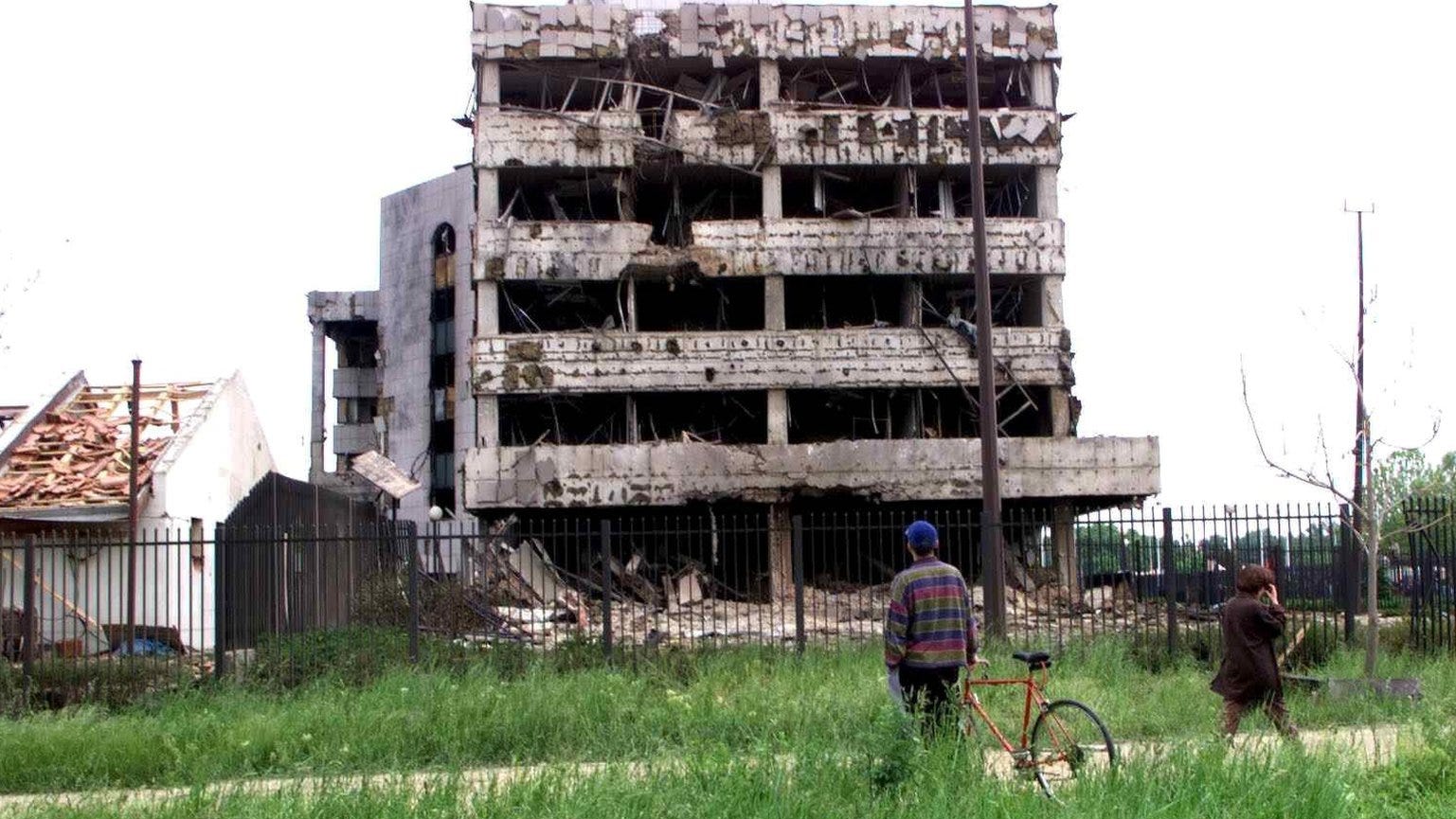
On May 7, 1999, NATO bombed the Chinese embassy in Yugoslavia and later blamed it on a “wrong map.” Twenty-seven years later, the pattern is exactly the same, same strategy, same excuses, same playbook.
The maritime front is getting worse
The naval and shipping side of this war also escalated.
Two foreign oil tankers were attacked and set on fire in Iraqi territorial waters on March 12. At least one person was killed, and dozens of crew members were rescued. Preliminary reporting pointed to explosive-laden vessels believed to be linked to Iran. More broadly, reports now say six ships have been attacked in the surrounding waters over the span of just two days.
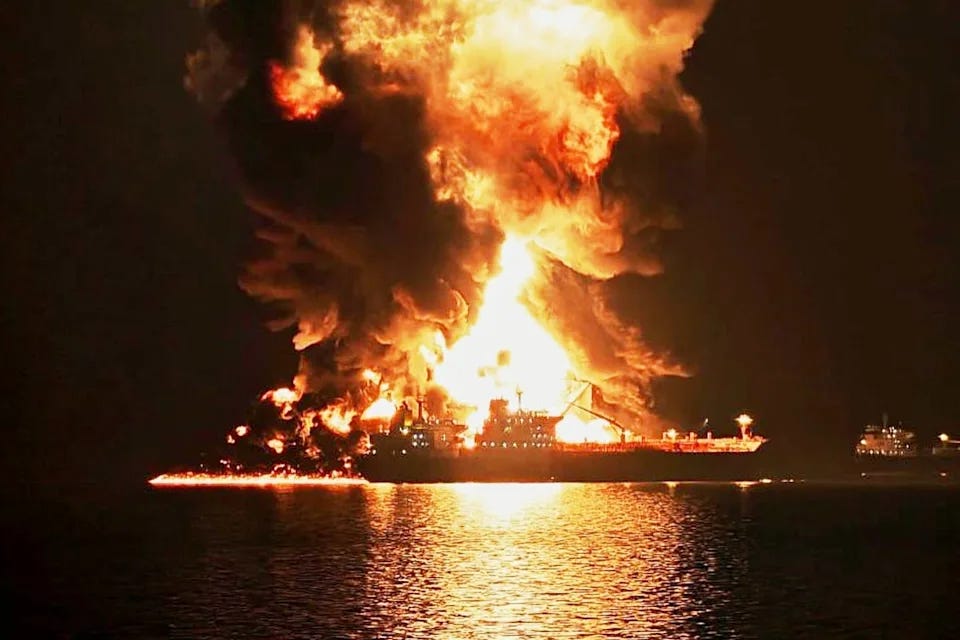
The most revealing part is this: even while U.S. officials talk publicly about possible escort operations in the future, American forces have reportedly refused all requests from oil companies for naval escort so far.
Washington still talks like a global enforcer, but the actual military risks inside the Strait of Hormuz are serious enough that even the empire is calculating very carefully. Iranian drones, anti-ship missiles, and mines make the waterway dangerous not only for commercial shipping but for U.S. warships as well.
Europe is already paying the price
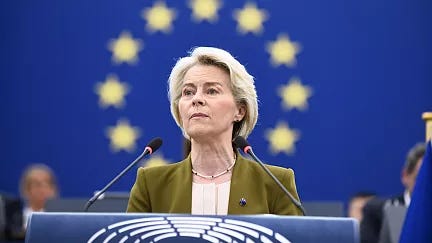
European Commission President Ursula von der Leyen said that in just ten days, the U.S.-Israel attack on Iran has already cost Europe an extra 3 billion euros in fossil fuel imports.
She said natural gas prices have risen 50 percent and oil prices 27 percent since the conflict escalated. Some LNG shipments originally bound for Europe have reportedly been redirected toward Asia. The International Energy Agency has now agreed to release 400 million barrels of emergency oil reserves, the largest such move in its history, with the United States contributing the biggest share.
Even that has not fully calmed markets. Oil prices surged again toward 100 dollars a barrel.
This is how war spreads through the global economy. One set of states starts the fire. Another set of elites makes strategic calculations. And ordinary people, especially consumers and taxpayers, end up paying the bill through energy shocks, inflation, and deeper instability.
The United States is now on alert for possible retaliation at home
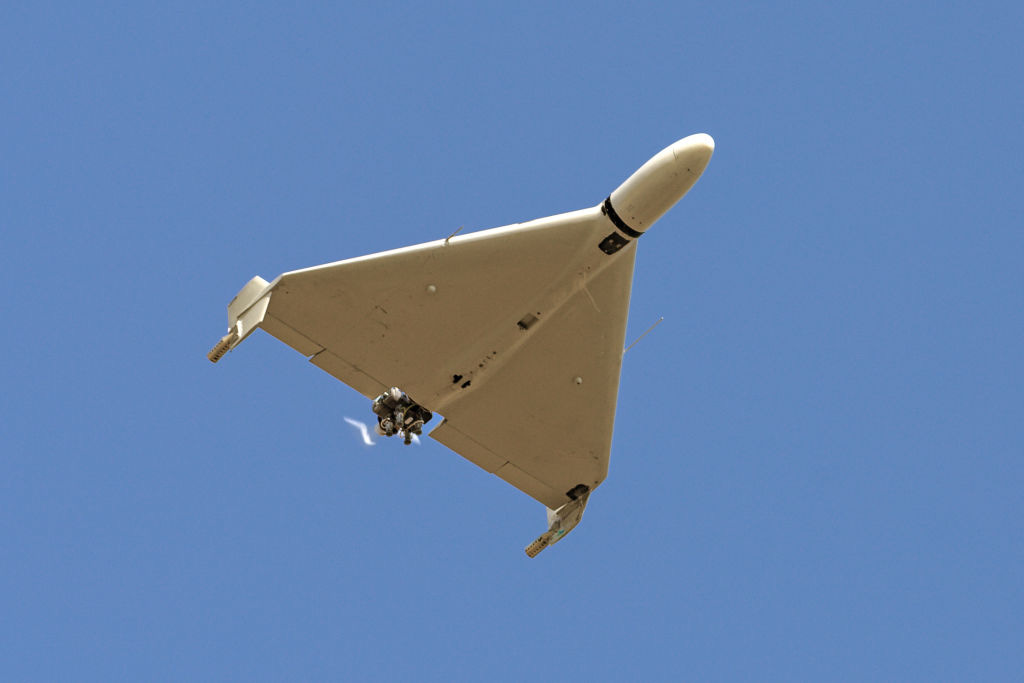
The FBI has warned that Iran may be planning a drone attack against targets in California, possibly launched from an unidentified vessel off the U.S. coast.
Officials say there is no confirmed imminent threat, but California Governor Gavin Newsom said he is coordinating closely with security and intelligence officials, while Los Angeles County authorities have increased patrols around religious sites, cultural institutions, and other sensitive locations.
Even if no attack happens, this still matters politically. Once the language shifts from “war in the Middle East” to “possible retaliation on U.S. soil,” it creates the atmosphere for more surveillance, more policing, more emergency powers, and more domestic fear management.
The U.S. cost is already climbing
There is also the question Washington never likes to center: what this war is costing Americans.
According to the material I reviewed, the Pentagon told Congress in a closed-door briefing that the first six days of the war had already cost the United States more than $11.3 billion, and that figure did not include pre-war deployments of personnel and equipment. The same material said seven U.S. service members had already been killed, while public support inside the United States remained weak.
The bigger picture
The main thing to watch now is the trajectory. This is no longer a contained exchange. The war is widening, the costs are spreading, and more countries are being pulled into it whether they want to be or not.
That’s why I keep putting these briefings together. Not to flood you with headlines, but to help connect the dots and keep the bigger picture in view.
If you’ve been following along, thank you. Subscribe for future updates. And if you want to support this work directly, consider upgrading to a paid subscription.


Getting a picture of the information the Chinese are providing is VERY helpful. Thank you.
Thank you Neil for genuine information. It's greatly appreciated!!! As for The Western/legacy media, Disgraceful... Bought and paid for! ( And We all know what that makes "Them" )As for Their Governments... Beneath Contempt. Cheer's.