

The Russia-Ukraine war’s been going on for 4 years now, and Western sanctions on Russia are off the charts. They’re banning high-end chips and precision parts just to cut off their military’s supply. But here’s the wild twist: when you tear apart battlefield debris, you’ll see both sides are low-key hoarding Chinese civilian stuff… then tweaking it into deadly weapons.
No secret arms deals, no direct military aid, just a hidden civilian supply chain. China’s civilian manufacturing game? It’s accidentally become the “invisible lifeline” keeping both sides in the fight. Let’s break down this chaotic stock-up spree: what they’re buying, how they’re pulling it off, and China’s no-nonsense neutral stance. No fluff, just facts.
Core Stock-Up List: Chinese Civilian Gear → Battlefield Must-Haves
Every Chinese item Russia and Ukraine are buying is plain old unmarked civilian gear. It’s super easy to tweak for war. Drones, electronics, machinery… all way cheaper than Western military junk, so it’s a no-brainer. Below’s the verified tea from battlefield teardowns and media deep dives:
1. Drones & Parts: Battlefield “Disposables” (All From China)
Drones are make-or-break in this war. Russia’s “Geranium-2” and Ukraine’s FPV drones? Their core parts are almost 100% Chinese. These parts were made for aerial photos or farming… but a little mod, and boom, affordable battlefield tools that get the job done.
What They’re Buying: Brushless motors, flight controls, ESC modules, CMOS cameras, industrial lithium battery packs (the same ones in scooters and power banks), and image transmission antennas. All are easy to grab in Shenzhen’s Huaqiangbei (you know, the electronics mecca).
How They Use Them: Slapping together FPV suicide and recon drones, even janky missile guidance. Russia doubles drone battery life by hooking Chinese lithium packs together. Ukraine hacks CMOS camera software to track targets super accurately, wait, no, make that basically military-grade precision on the cheap.
How Much They’re Buying: Per Conflict Armament Research (CABR), 94.5% of Ukraine’s 2024 drone parts were Chinese. 92% of their FPV drone cores trace right back to China. Russia uses third parties to score Shenzhen parts, churning out 23k+ drones a month.
Who’s Selling Them: CUAV Technology (flight controls), Shenzhen Minghuaxin (motors), and Huaqiangbei’s “one-kilometer industrial chain.” Order in the morning, get your parts assembled by night.


2. Electronic Parts: Cheap Chinese Gear Powering Their Weapons
Western countries cut off military chip supplies? No biggie. Both sides are using cheap Chinese civilian electronics instead, building weapon control systems that actually work.
What They’re Buying: 8-bit microcontrollers (the kind in your rice cooker), analog-to-digital converters, connectors, resistors, capacitors, even used phone chips. All are dirt-cheap civilian stuff.
How They Use Them: Running missiles, drones, and radar. EU experts found Russia’s “Kalibr” cruise missile uses FOUR $11 Chinese microcontrollers (hacked for anti-jamming) to replace fancy military chips. Russia’s “Orlan-10” drones also rely on Chinese civilian connectors. No joke.
How Much They’re Buying: 80% of Russia’s missile and drone electronics come from the civilian secondary market. 70% of that is Chinese. Ukraine’s frontlines snap pics of seized parts, send specs to Chinese suppliers, and get replacements in 48 hours. 2025 estimate: $4.7B worth of Chinese electronics snuck into Russia (and that’s the lowball).
Who’s Selling Them: AnalogTech (analog parts made in China), civilian chip distributors, and Huaqiangbei’s used electronics guys. They sell refurbished parts for 10% of the original price. Total steal.


3. Dual-Use Materials & Mechanical Parts: Hidden Battlefield MVPs
Russia and Ukraine are also hoarding Chinese civilian materials and machinery to build/repair weapons. They look totally non-military, but they’re low-key crucial for the war.
What They’re Buying: Perchlorate (regular chemical stuff), nitrocellulose, optical fiber (for civilian internet), ball bearings, machine tools, and all-terrain vehicles (made for farming and outdoor trips).
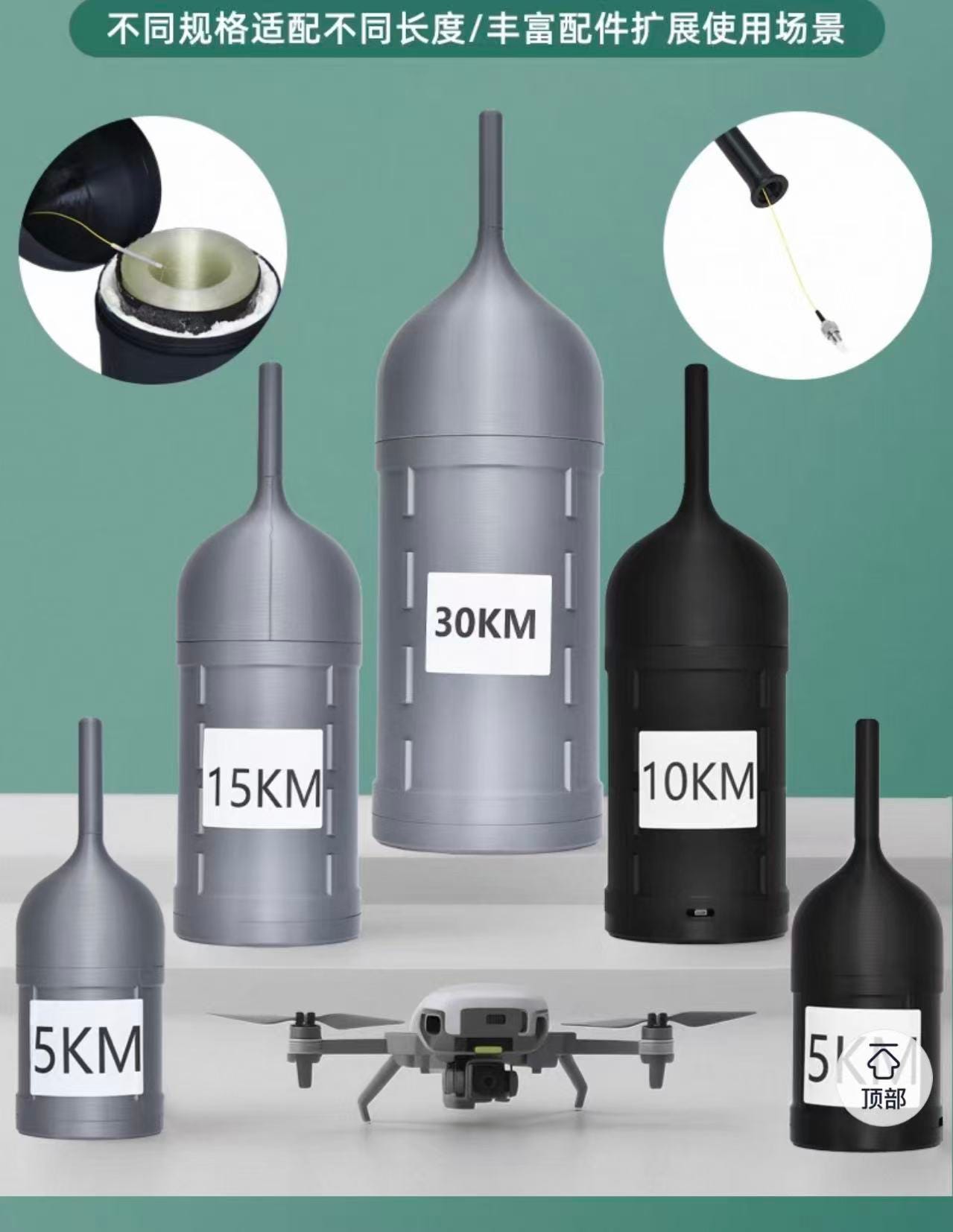
How They Use Them: Perchlorate (70% of Russia’s supply) for missile fuel. Optical fiber for drone comms that can’t be jammed. Machine tools for ammo and tank parts. Modified all-terrain vehicles for logistics and patrols. Ball bearings to fix tank and missile moving parts.
How Much They’re Buying: Russia’s Chinese ball bearing imports skyrocketed after sanctions. Ukraine buys Chinese all-terrain vehicles in bulk, slaps on some armor, and sends them to the front. Both sides’ fiber-optic drones? Core fiber is 100% Chinese.
Who’s Selling Them: Yangtze Optical Fibre and Cable, Hision (machine tools), Shandong and Zhejiang all-terrain vehicle makers, and Chinese chemical companies (perchlorate and nitrocellulose). All are legit civilian businesses with no military ties
.
4. Protective & Logistics Gear: Soldiers’ Civilian-Grade Survival Kits
Both sides are also grabbing Chinese civilian protective/logistics gear. No mods needed, ready to use right out of the box.
What They’re Buying: Civilian helmets, industrial bulletproof vests, medical supplies, and civilian power banks.
How They Use Them: Keeping soldiers alive, first aid, and powering trench comms (Ukraine uses Chinese power banks for their radios). Russia’s 98th Guards Airborne Division? They’re rocking Chinese civilian helmets and vests. Way cheaper, just as good.
Who’s Selling Them: Zhejiang and Guangdong protective gear companies and Chinese medical supply exporters. All are civilian-standard stuff, nothing fancy.


How They Cheat the System: Gray Transit Hacks
Neither side trades directly with China. They use sketchy third-party gray channels to dodge Western sanctions and follow Chinese export rules. All the gear is unregulated civilian stuff, snuck to the battlefield under the radar.
Russia’s Hack: Third-Party Middlemen + Cross-Border Shopping
Sanctioned to the max, Russia uses Central and Southeast Asian hubs (Kazakhstan, Vietnam, Cambodia). Russian middlemen bulk-buy on Alibaba and Huaqiangbei, ship to these countries, rebrand the gear as “regular civilian stuff,” then send it to Russia. Military engineers also buy cross-border parts to mod in Moscow (think: tweaking seized Starlink terminals).
Ukraine’s Hack: European Middlemen + Targeted Buys
Ukraine uses Poland and Hungary as middlemen. The military and its partners send orders to Chinese suppliers, who ship to Europe, then to Ukraine’s frontlines. Frontline troops snap pics of seized parts, send specs to China, and get replacements in 48 hours. It’s a total “battlefield feedback → stock-up → replenish” loop. Super efficient.
Why Chinese Gear? It’s Unbeatable
Both sides pick China for 3 simple reasons. 1) Price: 1/3 the cost of Western parts. Perfect for a war of attrition (they can afford to burn through them). 2) Supply chain: Huaqiangbei has everything with same-day fulfillment. 3) Flexibility: Chinese factories take small orders and scale fast with no red tape.
Quick note: Most Chinese suppliers have NO CLUE where their gear ends up. Huaqiangbei merchants ship orders to anyone, no questions asked. Civilian gear on the battlefield? It’s just how the global supply chain works, no shady business from the suppliers.
China’s Stance: Neutral, Strict, No Bull
China’s position is simple: stay neutral, crack down on military/sensitive exports, oppose civilian gear being weaponized, and respect global supply chains.
China sells zero military gear to either side; only unregulated civilian items (like phone chips or hobby drones), which is totally legal. Sensitive stuff is banned from export to both sides; if they mod civilian gear into weapons, that’s their call, not China’s.
China wants a ceasefire and peace talks, not to escalate the war. Western claims of “Chinese military support” are total BS. China doesn’t push gear to the battlefield, doesn’t profit from it, and sticks to “no intervention, no fanning flames, no weapons.” Period.
Conclusion: Civilian Supply Chains Are Changing War
The Russia-Ukraine war shows modern war’s lines are blurry: a simple civilian drone, microcontroller, or lithium pack can become lethal with tweaks. China’s civilian manufacturing is an “invisible wildcard”, but not an intervener.
Russia and Ukraine buy Chinese gear because it’s the best option; modding it is their choice. China stays neutral, controls sensitive exports, and keeps supply chains moving, responsible for itself and world peace.
As civilian tech advances, it’ll play a bigger battlefield role. But countries need to stay neutral, respect supply chains, and talk things out. don’t weaponize everyday gear. Lives aren’t worth it.


