

I’m doing these briefings because too much of the coverage around this war is fragmented, emotional, and shallow. People get headlines, explosions, and viral clips, but not a clear sense of what is actually changing.
The goal here is simple: track the most important developments, put them in order, and show how this war is spreading beyond the battlefield into energy, infrastructure, regional politics, and global capital.
If you find this useful, consider subscribing. And if you want to support this work, consider becoming a paid subscriber. Thank you for reading.
Here’s the latest, in order from latest to earlier developments:
Tehran’s “black rain” shows the war is moving into environmental and civilian disaster
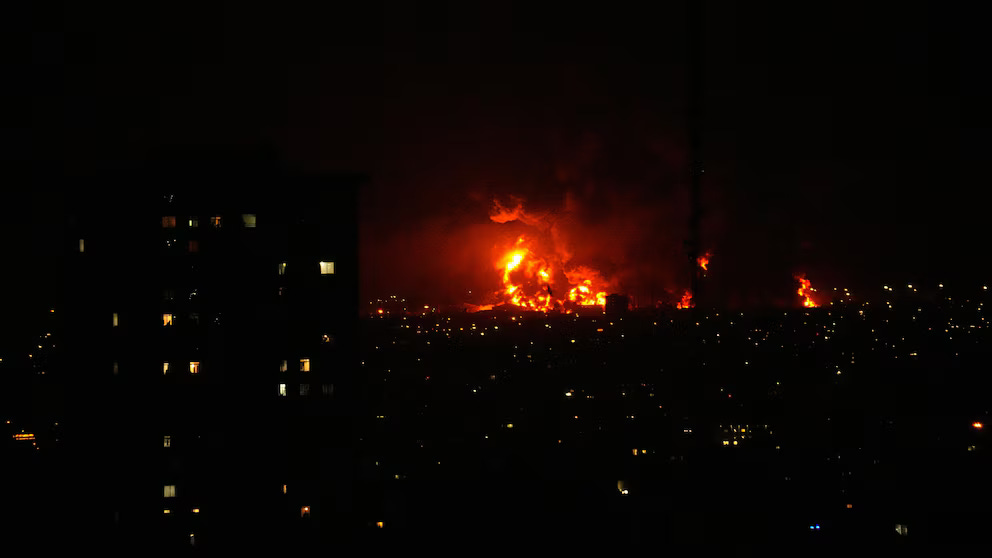
One of the most disturbing developments is what happened in Tehran after fuel storage and oil-related facilities were hit.


Journalists on the ground described the city being covered by thick black smoke even during daytime. Residents reported dark rain falling from the sky, mixed with oil residue and pollution. Iranian authorities and aid organizations warned people to stay indoors and avoid contact with contaminated rainwater.
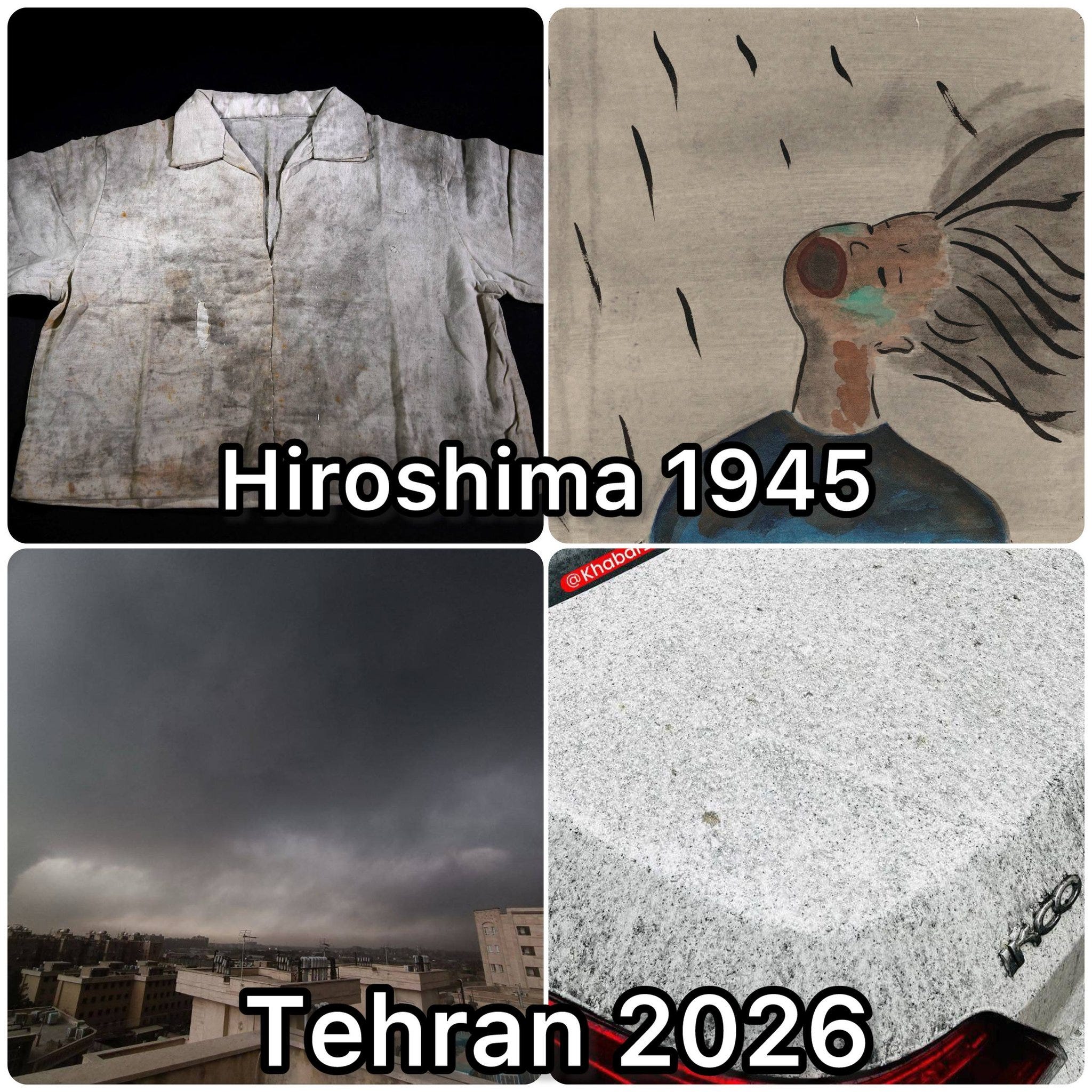
This matters because the war is no longer only about military targets. It is now hitting the systems that make civilian life possible: air quality, fuel access, water safety, and public health.
That is a major escalation.
Israel says it killed another senior figure tied to Iran’s top leadership
Israel’s defense minister claimed that a senior military aide connected to Iran’s supreme leadership was killed in a recent strike.
That claim has not been fully confirmed by Iran, but if true, it shows that Israel is continuing a clear pattern: not just degrading military infrastructure, but systematically targeting the command structure itself.
This is not random bombing. It is a strategy of decapitation, disruption, and psychological warfare.
The U.S. is reportedly considering special forces missions inside Iran
A major new report says the U.S. and Israel have discussed sending special operations forces into Iran later in the war to secure or neutralize Iran’s stockpile of highly enriched uranium.
This is important because it confirms what many suspected: the discussion is no longer limited to airstrikes.
Washington may still publicly deny that it wants a ground war, but behind the scenes, options involving direct insertion, targeted raids, and strategic seizure missions are clearly on the table.
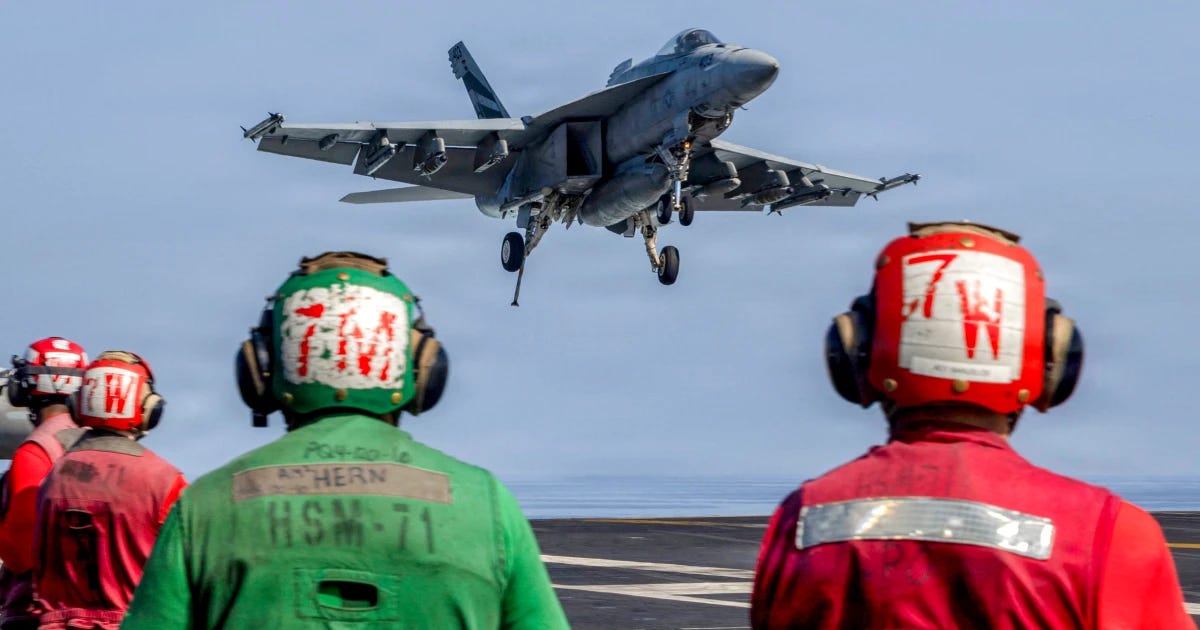
Desalination plants are now part of the war
Bahrain says one of its desalination plants was damaged in an Iranian drone attack. Iran, on the other side, accused the U.S. of hitting a desalination facility on Qeshm Island and disrupting water access for multiple villages.
That is a dangerous shift.
In the Gulf, desalination is not a secondary utility. It is a core survival system. Targeting it means putting water itself inside the war.
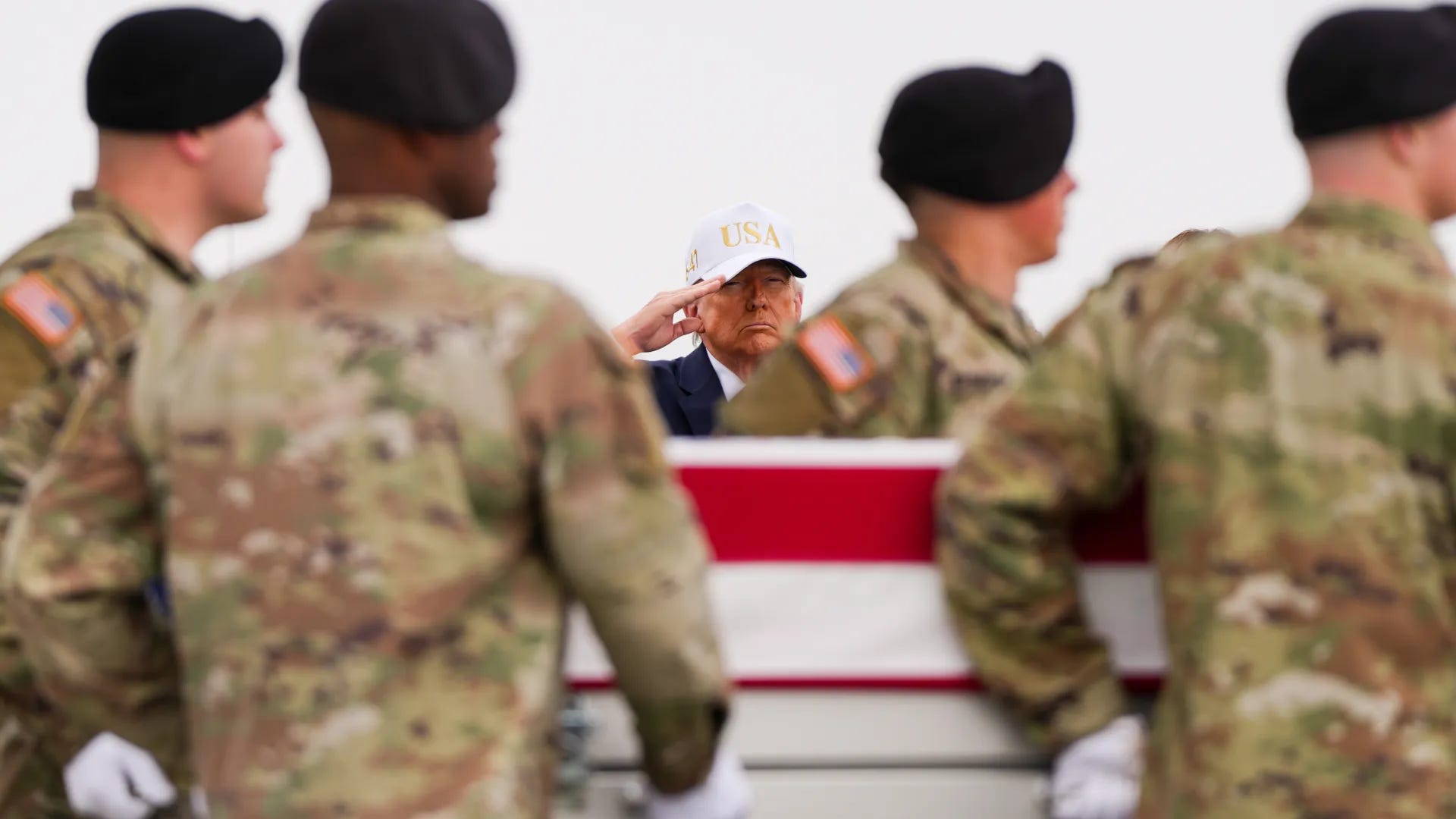
Iran says it captured U.S. soldiers. The U.S. says that is a lie
Iranian officials claimed that several American soldiers had been captured. U.S. Central Command quickly denied it and called the claim false.
Right now, this remains contested.
But even the existence of this dispute matters. If American personnel are being captured, that would signal a deeper level of direct exposure than the public narrative has admitted. If the claim is false, it still shows how aggressively the information war is intensifying.
Either way, the messaging battle is escalating alongside the military one.
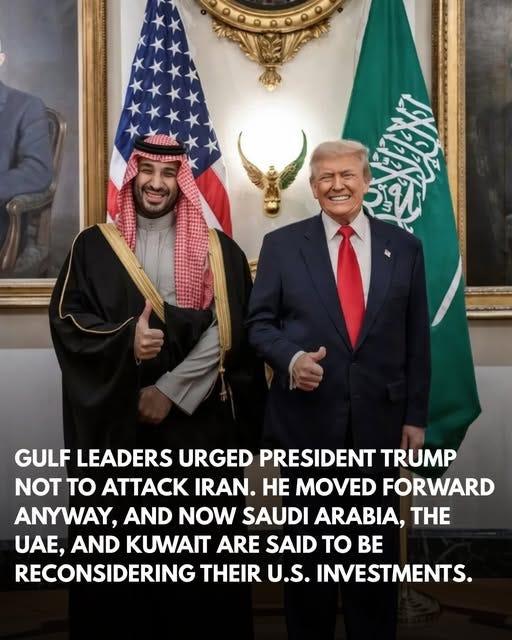
Gulf states may reconsider investment commitments, and that is where pressure on Trump gets real
This may be one of the most important developments of all.
Reports say major Gulf economies are reviewing budgets, overseas investment commitments, and major contracts because the war is hitting energy revenue, tourism, aviation, and defense spending all at once.
That has reportedly gotten the White House’s attention.
This is how power really works. Washington can ignore civilian suffering. It can ignore burned cities. But once Gulf capital gets nervous and sovereign wealth money starts pulling back, diplomacy suddenly finds a voice.
That is the real pressure point. Money talks.
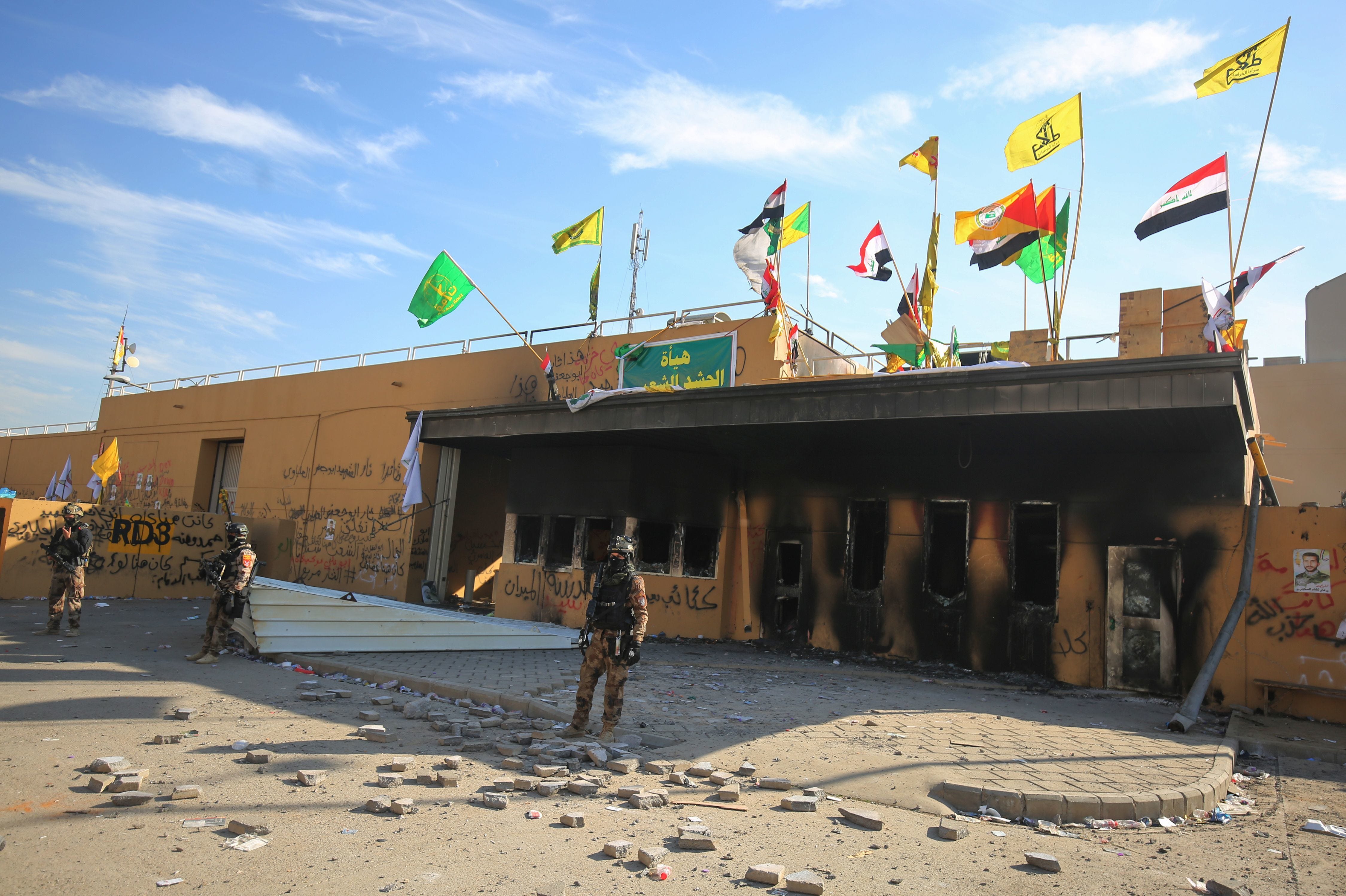
The U.S. Embassy in Baghdad was hit
Iraqi officials confirmed that the U.S. Embassy area in Baghdad was attacked, with rockets landing in the compound zone and defensive systems activated.
There were no reported casualties, but the message is clear: the war is continuing to spill outward.
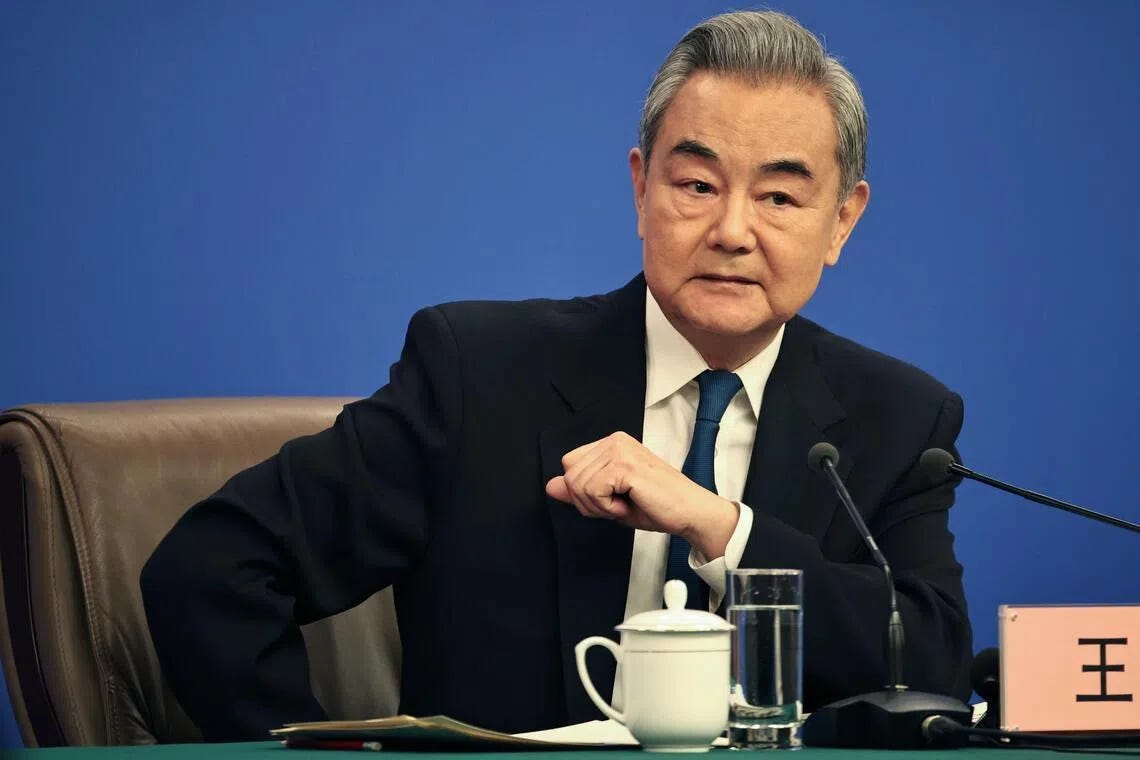
China is signaling restraint while the region burns
China’s foreign minister said that the U.S. and China cannot change each other, but can change the way they coexist, emphasizing mutual respect, risk control, and stable relations.
Placed in the context of this war, that message matters.
Beijing is making clear that it does not intend to be pulled into the emotional logic of escalation. While Washington and its allies widen the war, China is positioning itself as the actor trying to preserve space, manage risk, and avoid a wider breakdown.
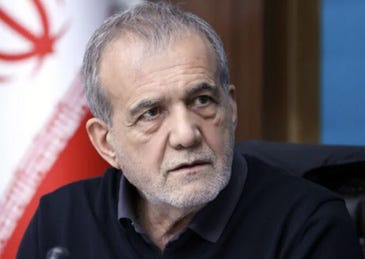
Iran is trying to calm its neighbors while keeping pressure on the U.S. and Israel
Iran’s president apologized to neighboring countries affected by Iranian retaliation and said Iran would not attack neighboring states unless attacks on Iran originated from their territory.
That is a carefully calibrated message.
Iran wants to continue pressuring the U.S. and Israel, but it does not want to drive every Gulf state into a unified anti-Iran bloc. So it is combining military escalation with diplomatic signaling.
Russia continues to benefit from the chaos
As the war disrupts shipping, drives up energy prices, and strains air defense supplies, Russia is emerging as one of the clearest beneficiaries.
Higher energy demand helps Russian exports. Higher prices help Russian revenue. More U.S. and Gulf interceptor usage means tighter supply elsewhere, including for Ukraine.
This is one of the most absurd parts of the whole situation.
Washington claims to be containing Russia while simultaneously creating a war that raises Russia’s leverage. This is imperial self-sabotage.
Final thought
I’m doing these briefings because this is the kind of moment when people most need structure, not noise.
War coverage often overwhelms people with imagery while hiding the actual pattern. So the goal here is simple: sort the fragments, track the escalation, and explain what is changing underneath the daily headlines.
If this kind of reporting and analysis is useful to you, subscribe for more. And if you want to support this work directly, consider becoming a paid subscriber. I appreciate it more than you know.


Imperial self sabotage is indeed the correct term for U.S. actions. The empire has lost much of what once made it strong and is left with only military weapons.
Great job Grumpy. The truth is always ethical and logical, something you'll never get from the Western main stream legacy media.