

This newsletter will continue to track the war in Iran and related developments in the region with short, regular updates.
If you find these briefings useful, subscribe. If you want to support more of this work, consider upgrading to a paid subscription.
Latest Developments (March 7)
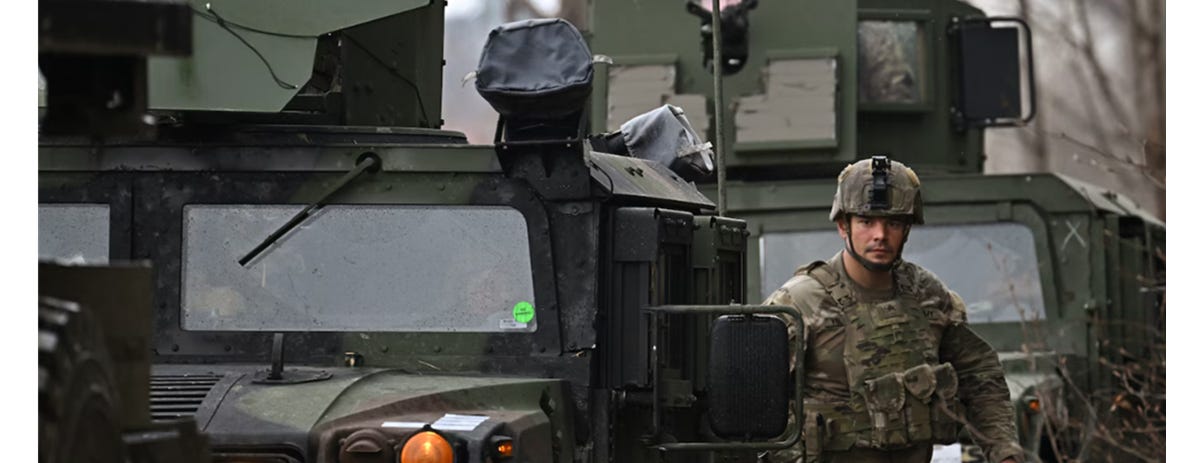
U.S. 82nd Airborne Cancels Major Exercise - Ground War Speculation Grows
One of the biggest developments today was not a strike, but a military move.
The Washington Post reported that the U.S. Army’s 82nd Airborne Division suddenly cancelled a major exercise and is now on standby at Fort Bragg. The Pentagon has not said why.
That is significant because the 82nd is a rapid-response force used for evacuations, embassy reinforcement, airfield seizures, and limited ground missions. Its sudden readiness has triggered speculation that Washington may be preparing for a ground option in Iran.
Analysts say one possible target would be Kharg Island, Iran’s main oil export terminal. If that site were hit or seized, it would strike directly at Iran’s economic lifeline.
Iran Claims Drone Strike on “U.S. Oil Tanker”
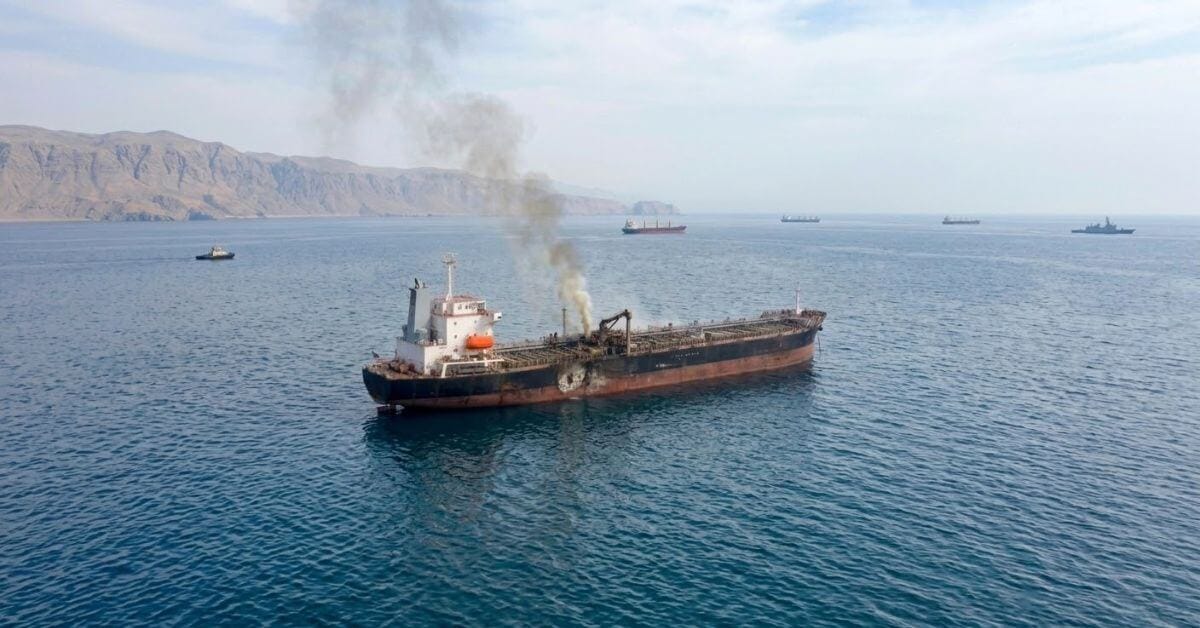
Iran’s Revolutionary Guard announced that it struck what it described as an American-owned oil tanker in the Persian Gulf using a suicide drone.
The vessel, named Louise P, reportedly sails under the flag of the Marshall Islands but was described by Iranian media as a U.S. asset.
The significance of this event is less about the individual ship and more about the expanding target list.
Iran appears to be broadening its retaliation strategy from strictly military targets to include energy infrastructure and commercial shipping connected to the United States.
In other words, Tehran is attempting to raise the economic cost of the war, not just the military cost.
Trump Declares Iran “Surrendering,” Promises Heavier Strikes
U.S. President Donald Trump posted on social media that Iran’s recent apology to neighboring countries represents a “surrender” caused by American and Israeli military pressure.
Iran’s president had earlier issued a statement apologizing to neighboring states that were accidentally struck during Iranian retaliatory attacks.
Trump framed the statement as proof that Iran had been forced into submission.
He also warned that new, heavier strikes against Iran could occur soon, even suggesting that additional targets not previously considered may now be added.
This rhetoric suggests Washington is not signaling de-escalation, but rather preparing public messaging for another round of escalation.
Iran Responds to U.S. Oil Tanker Escort Plan: “We Are Waiting”
The Trump administration has proposed naval escorts for oil tankers passing through the Strait of Hormuz.
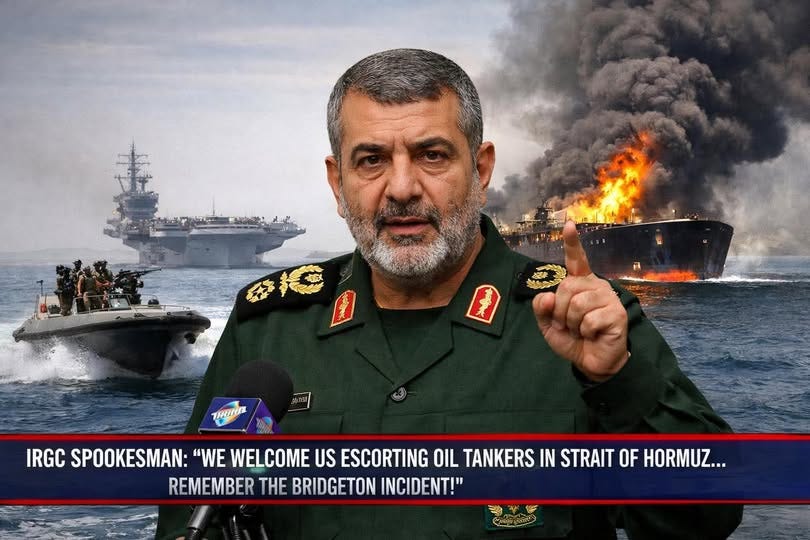
Iran’s Islamic Revolutionary Guard Corps responded bluntly.
A spokesperson stated that Iran “welcomes” the escort mission and is waiting for U.S. warships to appear.
The comment was accompanied by a reminder of the 1987 Bridgeton incident, when a U.S.-escorted tanker struck an Iranian naval mine during the Iran-Iraq war.
The message is clear: escort missions could easily become direct naval confrontations between Iranian forces and the U.S. Navy.
Emirates Suspends All Flights to Dubai
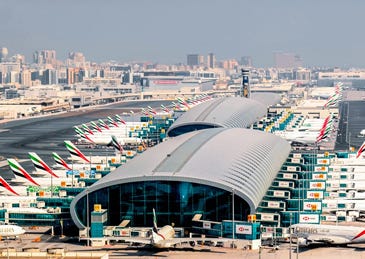
Emirates Airlines has suspended all flights to and from Dubai until further notice.
Earlier reports indicated explosions near Dubai International Airport and air defense interception activity in the area.
Dubai is one of the world’s largest aviation hubs. Disruptions there signal that the conflict is beginning to affect civilian transportation infrastructure, not just military targets.
Japanese Trade Impact - China Could Gain Market Advantage
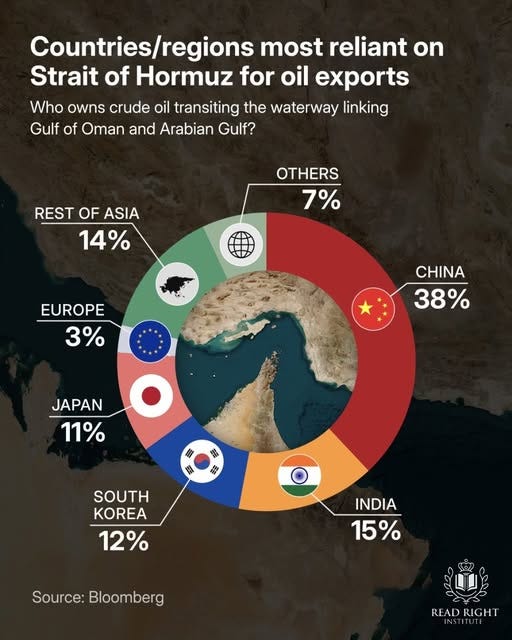
Japanese media outlets are now reporting that the closure of the Strait of Hormuz is disrupting Japan’s used car export industry, particularly shipments routed through the United Arab Emirates to African markets.
More than a dozen vehicle transport ships are currently stranded in the Gulf.
Analysts warn that if the disruption continues, Chinese electric vehicles could fill the supply gap, especially through land routes connecting to Middle Eastern markets.
This highlights a broader pattern: wars rarely just reshape battlefields. They also reconfigure trade routes and market competition.
Ships Disguising Themselves as “Chinese” to Avoid Attack
Shipping data analyzed by the Financial Times shows that at least ten vessels recently altered their transponder identity signals, claiming to be Chinese-owned or crewed in order to reduce the risk of attack when passing through the Strait of Hormuz.
Some ships also manipulated GPS signals to obscure their locations.
The tactic reveals a grim reality of war zones: commercial vessels will adopt any identity they believe might lower their chances of being targeted.
The fact that ships are impersonating Chinese ownership suggests that, at least in the calculations of shipping crews, Chinese-linked vessels are currently perceived as less likely to be attacked.
Key Developments From March 6
White House Prayer Event During War
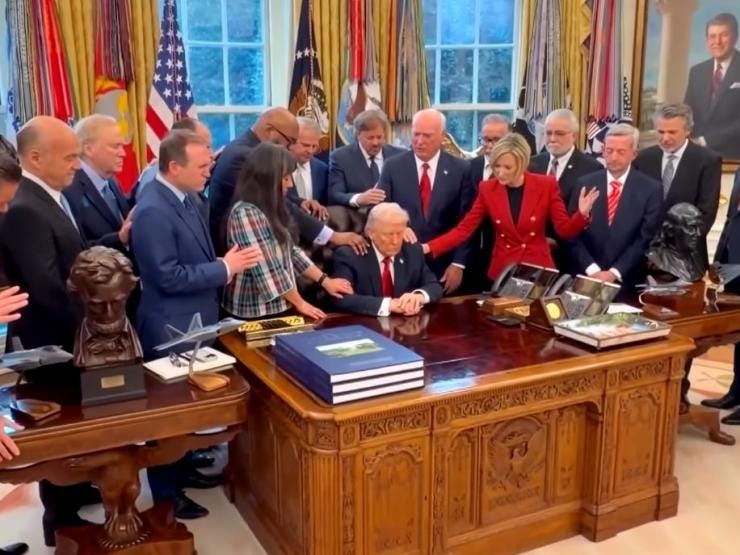
During escalating tensions, Trump invited several evangelical pastors to the White House for a public prayer session.
Video released by a presidential aide showed pastors surrounding Trump, placing their hands on him and praying for divine protection for both the president and the U.S. military.
The symbolism is not accidental.
Trump’s political coalition includes a strong evangelical base, and the blending of religious imagery with wartime leadership reinforces that alliance.
Russia Reportedly Sharing U.S. Military Coordinates With Iran
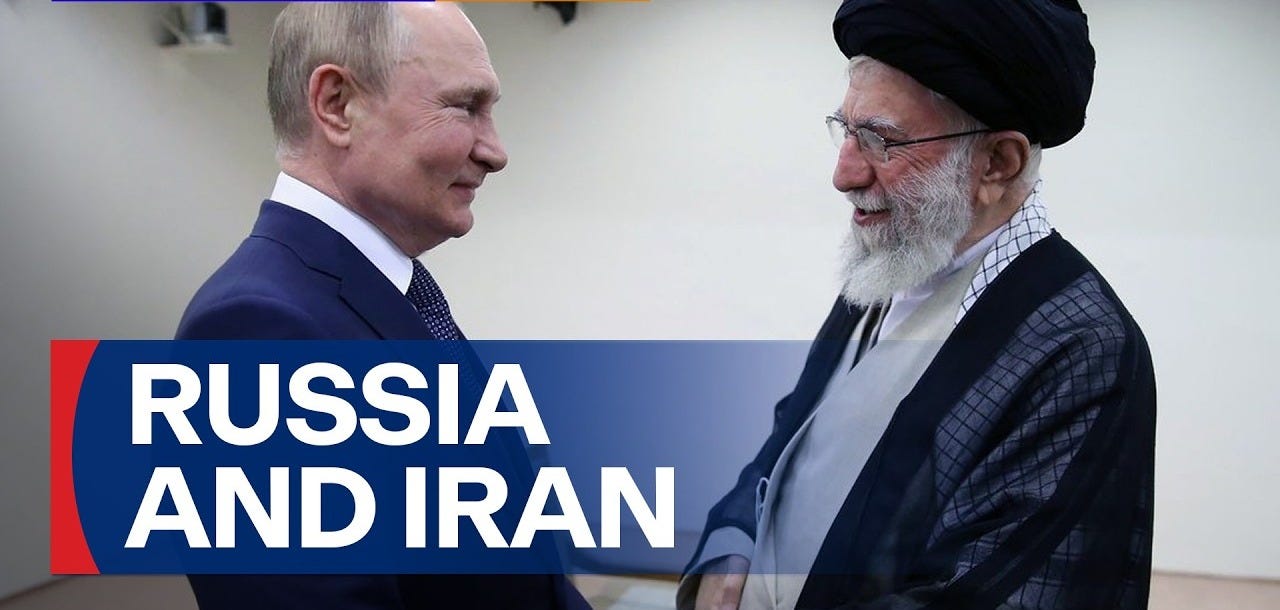
The Washington Post and Wall Street Journal reported that Russia has been providing Iran with intelligence on the locations of U.S. military assets in the Middle East, including ships and aircraft.
American officials say there is no direct proof that the intelligence was specifically intended to assist Iranian attacks, but they believe that is the likely purpose.
Even limited satellite data from Russia could significantly improve Iran’s targeting capabilities, as Iran has a relatively small satellite reconnaissance network of its own.
While Russia has not directly entered the conflict, this type of assistance could represent a quiet escalation by a nuclear power.
Major Events From March 5
Iran Accuses U.S. Submarine of Sinking Iranian Frigate
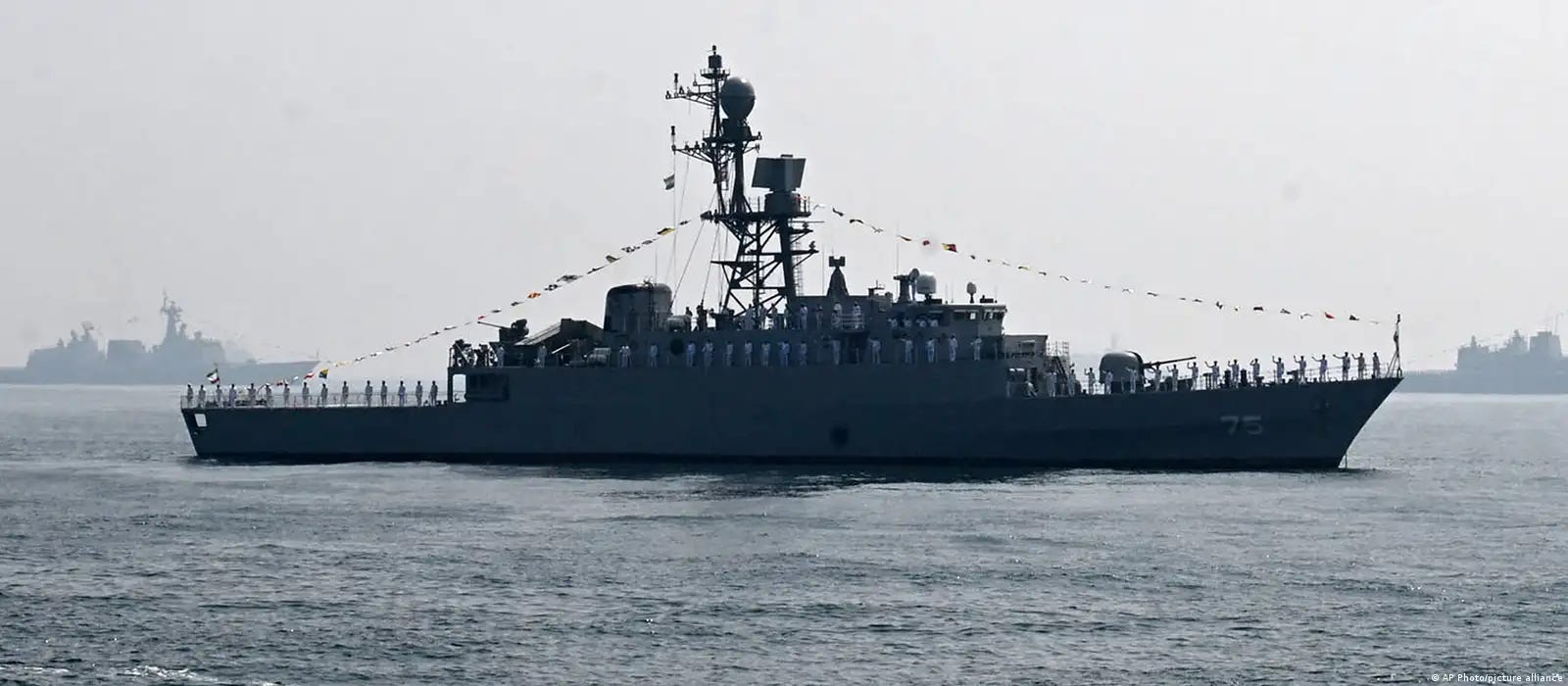
Iran’s delegation to the United Nations accused the United States of sinking the Iranian frigate Dena in international waters.
According to the statement, the vessel had been visiting India as part of a naval exchange program and was carrying approximately 130 crew members, more than 100 of whom were reportedly killed.
Iran described the attack as a violation of international law and freedom of navigation.
Trump Demands Netanyahu Be Pardoned
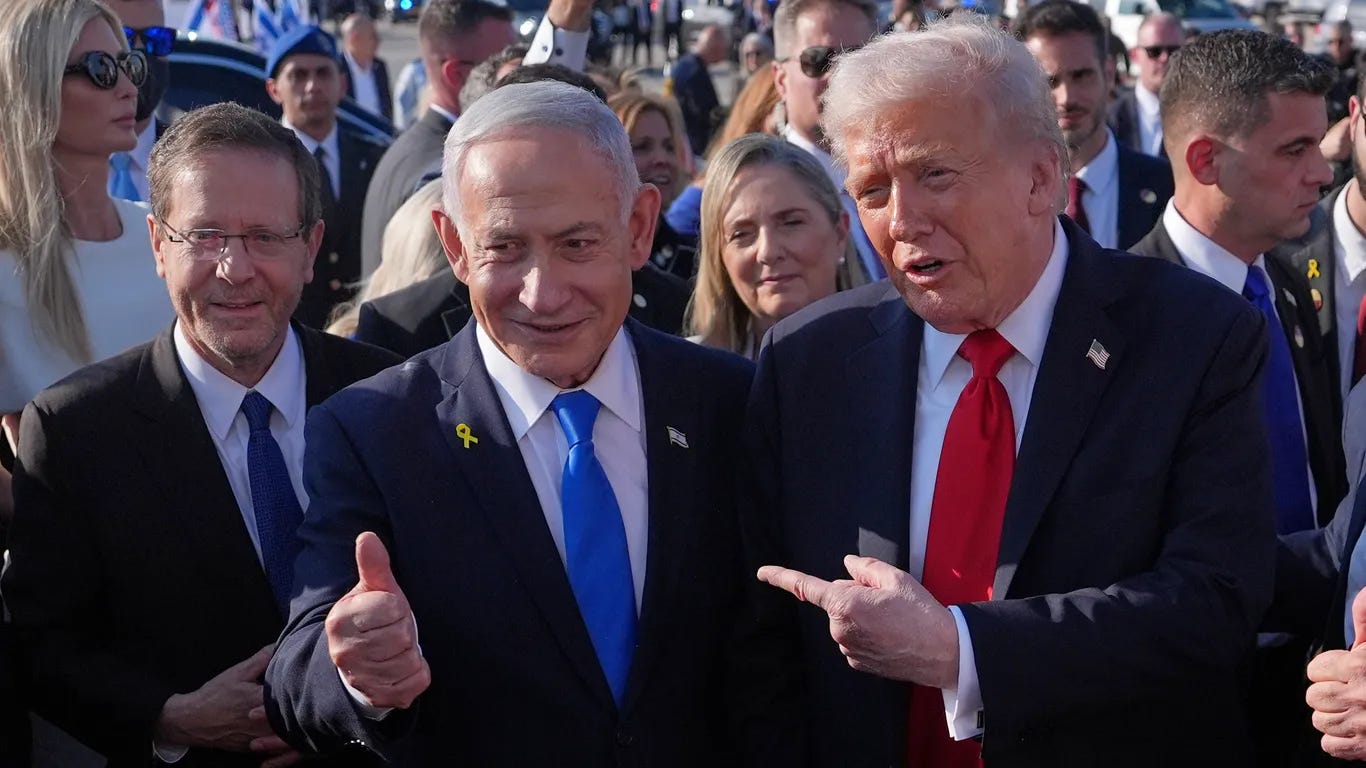
Trump publicly demanded that Israel’s president immediately pardon Prime Minister Benjamin Netanyahu, who is currently on trial for corruption charges.
Trump stated that Netanyahu should be able to focus on the war rather than court proceedings.
He also threatened to suspend diplomatic meetings until the pardon occurs.
The statement is unusual in that it represents direct pressure on another country’s judicial process.
Iran Claims Drone Strike on U.S. Aircraft Carrier
Iranian military officials stated that one of their naval drones struck the U.S. aircraft carrier USS Abraham Lincoln in the Gulf of Oman, forcing the carrier and its escort ships to withdraw from the area.
Even if the actual damage remains unclear, the narrative itself is significant.
Iran is attempting to show that it can threaten even the most powerful symbols of American military power.
Final Note
This newsletter will keep publishing regular Iran briefings as events unfold.
If you find them useful, subscribe. If you want to support more work like this, consider upgrading to a paid subscription.


