

The U.S. Supreme Court has now ruled that key parts of Trump’s tariff program were unlawful. Mainstream reporting says the federal government could be exposed to as much as $175 billion in potential tariff refunds, depending on how the post-ruling process plays out.
At first glance, that sounds like accountability. The courts step in, an overreach gets checked, and the government pays the money back.
But if you follow the money, what you get is something uglier and more familiar: the public absorbs the pain, and capital gets the refund.
The tariff story was sold as strength. But the reality was chaos.
Trump’s pitch was simple. Tariffs were supposed to be leverage. Tariffs were supposed to force better deals. Tariffs were supposed to bring production home. The political branding was always the same: tough leadership, economic nationalism, and “America first.”
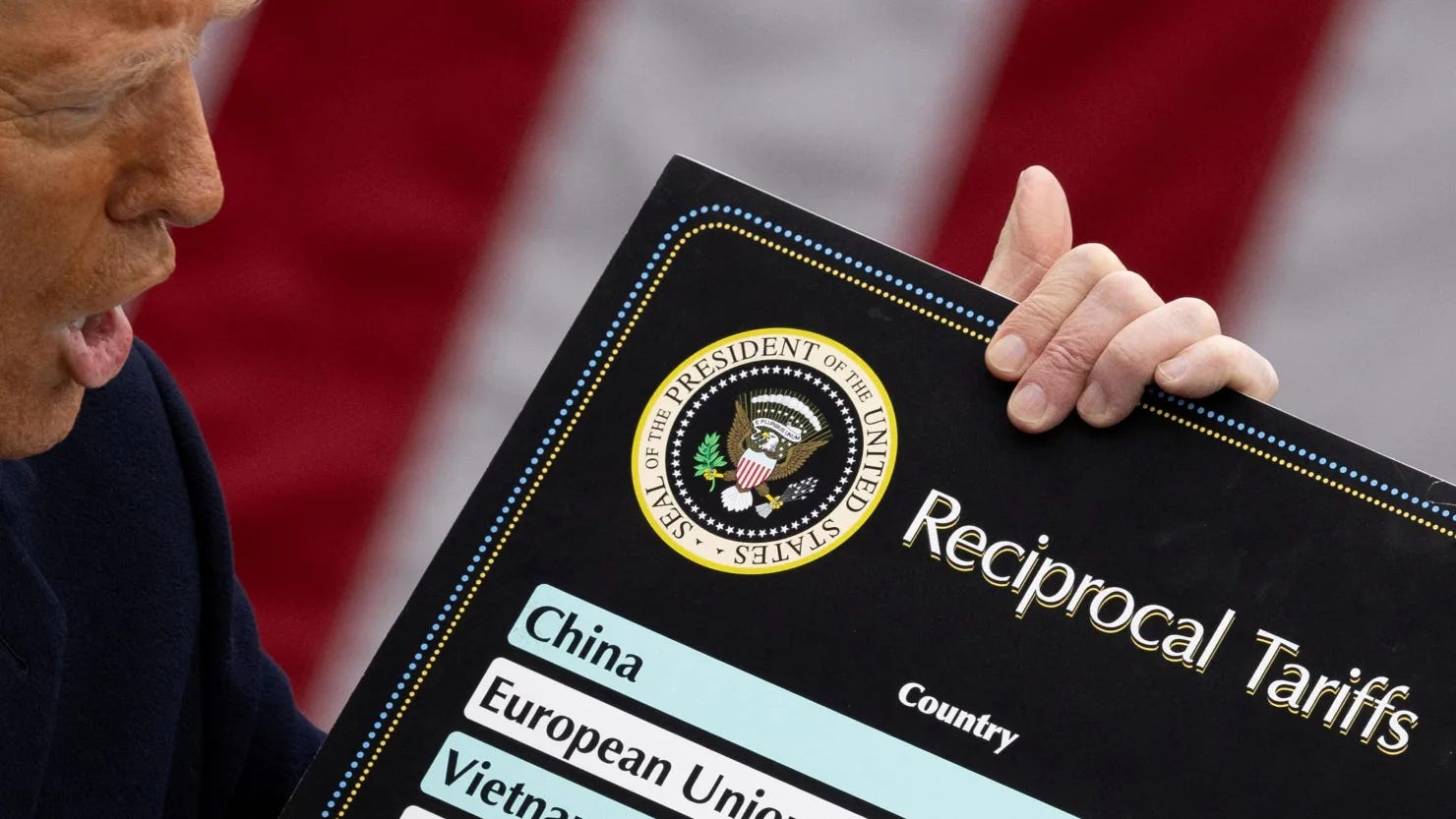
The problem is that boldness is not competence. You can be loud and still be wrong. You can be aggressive and still be sloppy. When you build a national economic policy on emergency powers and political theater, you are not building strength. You are building volatility.
And volatility is not “strategic pain.” It is just pain.
Who paid the tariffs, and who paid the price
Tariffs are paid at the border by importers. That is the legal reality.
But the economic reality is what everyone living in the real world already understands: when costs rise, firms pass them along. Consumers experience tariffs as higher prices, not as a line item on a customs form.
That is why the refund story matters. Because if the tariffs were illegal, people assume there is a moral logic that follows: the people who were hit should be made whole.
That assumption is wrong.
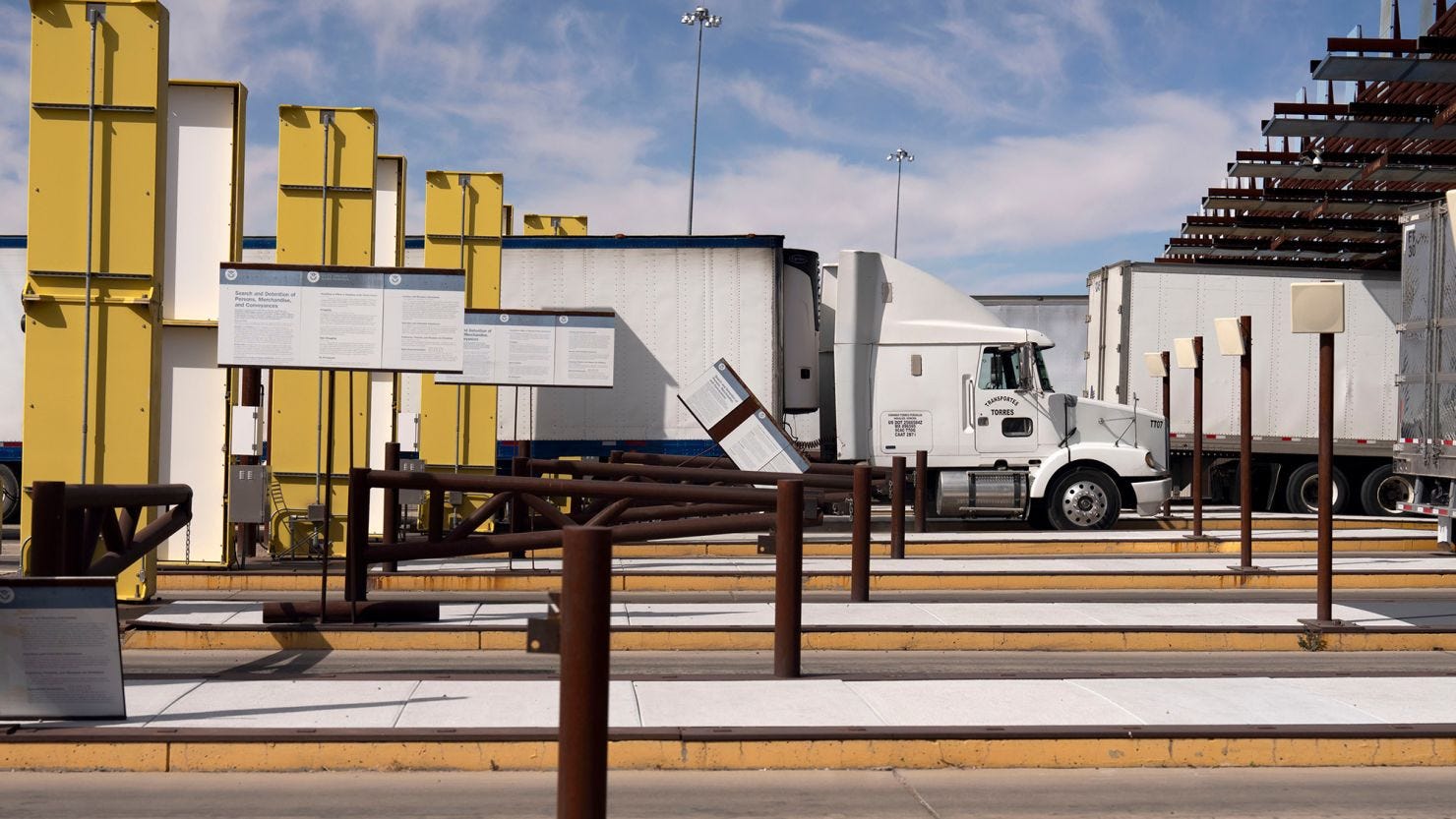
Refunds do not go to households. They go to the importer.
If refunds are processed, they will generally go back to the entities that paid the duties in the first place: importers and firms.
Consumers do not automatically qualify for repayment, because consumers did not write checks to Customs. Consumers paid higher retail prices. That difference is not treated as a tax payment by the legal system. It is treated as market pricing.
There is no automatic mechanism that retroactively forces companies to return the “extra” consumers paid.
So the refund, if it comes, is not “money back for the public.” It is cash returned to the corporate side of the chain.
And no, companies are not going to lower prices out of kindness
Here is the part mainstream coverage often dances around, but every working person understands immediately.
Companies will not drop prices just because they got refunded. They already learned something from the tariff period: people can be forced to pay a little more, and the market will tolerate it.
Once consumers have accepted a higher price level, firms do not rush to reverse it. They protect margins. They test how much they can squeeze. They keep the new baseline unless competition forces them down.
So the most realistic outcome is not “prices go back to normal.” The more realistic outcome is “corporate balance sheets recover, while households stay stuck with the higher baseline they already paid.”
This is the central political lesson. When policy is reckless, the public eats the inflation. When the policy collapses, capital is positioned to recover first.
A useful contrast: how China tried to absorb the shock inside the system
This is where the tariff war created a second-order effect that matters. When U.S. tariffs cut off parts of the American market, many Chinese factories were left with unsold inventories and disrupted cash flow. The immediate problem was not ideology. It was inventory, working capital, and survival.
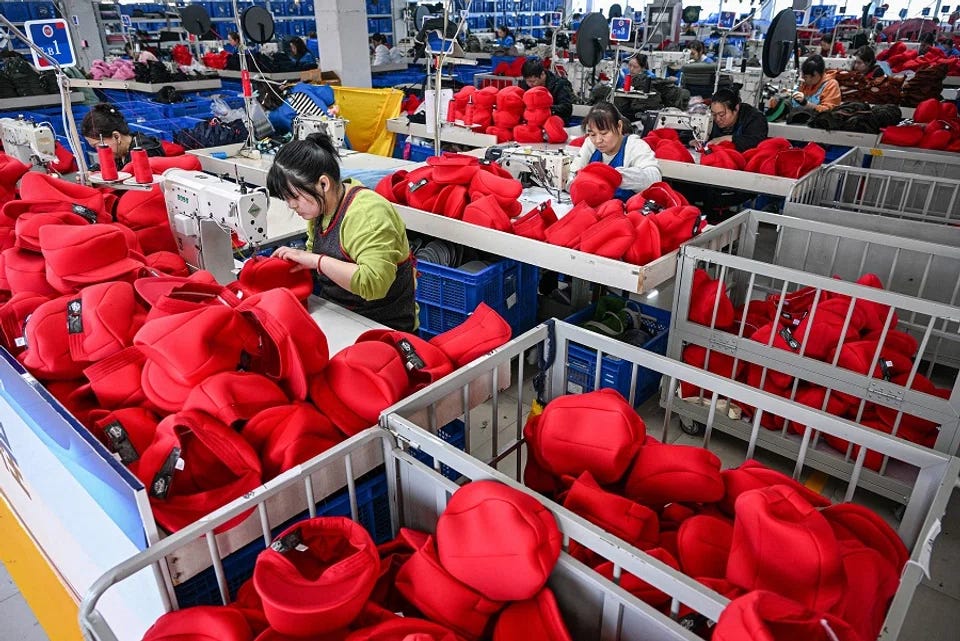
One response in China was to push exporters toward domestic channels and help them liquidate inventory through e-commerce platforms. Reuters reported that JD.com launched a large fund to help exporters sell into China’s domestic market, including direct purchasing and platform support. Financial Times and other outlets also described how major Chinese platforms rolled out coordinated initiatives to help export-oriented manufacturers shift toward domestic sales, with incentives and support programs designed to keep factories alive and moving.
The practical effect is the point you’re making: when inventories pile up, the system can push goods into new markets, discount them, create cash flow, and buy time for factories to retool.
You can debate the long-term efficiency of subsidies and industrial policy. Even the IMF has criticized the scale of China’s industrial subsidization. But in the short run, the political logic is clear: when an external shock hits production, the state and major platforms can act to stabilize the manufacturing side and keep the cash cycle alive.
Compare that to the U.S. refund story. In the American case, a policy shock raised consumer prices. A legal reversal may refund corporate payers. The household that paid the higher shelf price gets nothing back, because the system does not recognize them as the party entitled to repayment.
The real definition of incompetence
Trump treated a complex trade system like a blunt weapon, used shaky authority to impose sweeping costs, triggered price inflation that households absorbed, and then walked into a legal wall where the only people positioned to recover are the corporate actors who can navigate the refund pipeline.
That is not leadership. That is gambling with the public’s cost of living.
And the end result is the ugliest kind of redistribution: the public pays the pain upfront, then capital captures the profit.
More stories you might miss…


