

Let’s be clear about what happened. CBS didn’t block Stephen Colbert’s interview with James Talarico because of some sudden devotion to fairness. They blocked it because the system raised the price of speech, and corporate media always responds the same way: it shrinks what you get to hear.
On February 16, 2026, Colbert said CBS lawyers barred him from airing his interview with Texas state Rep. James Talarico, a Democratic candidate in the Texas U.S. Senate race. Colbert also said he was told not to mention the ban on air. He exposed it anyway and moved the interview online. That’s the surface story. The deeper story is the incentive chain underneath it: regulators raise uncertainty, corporations protect themselves, and working-class candidates lose oxygen.
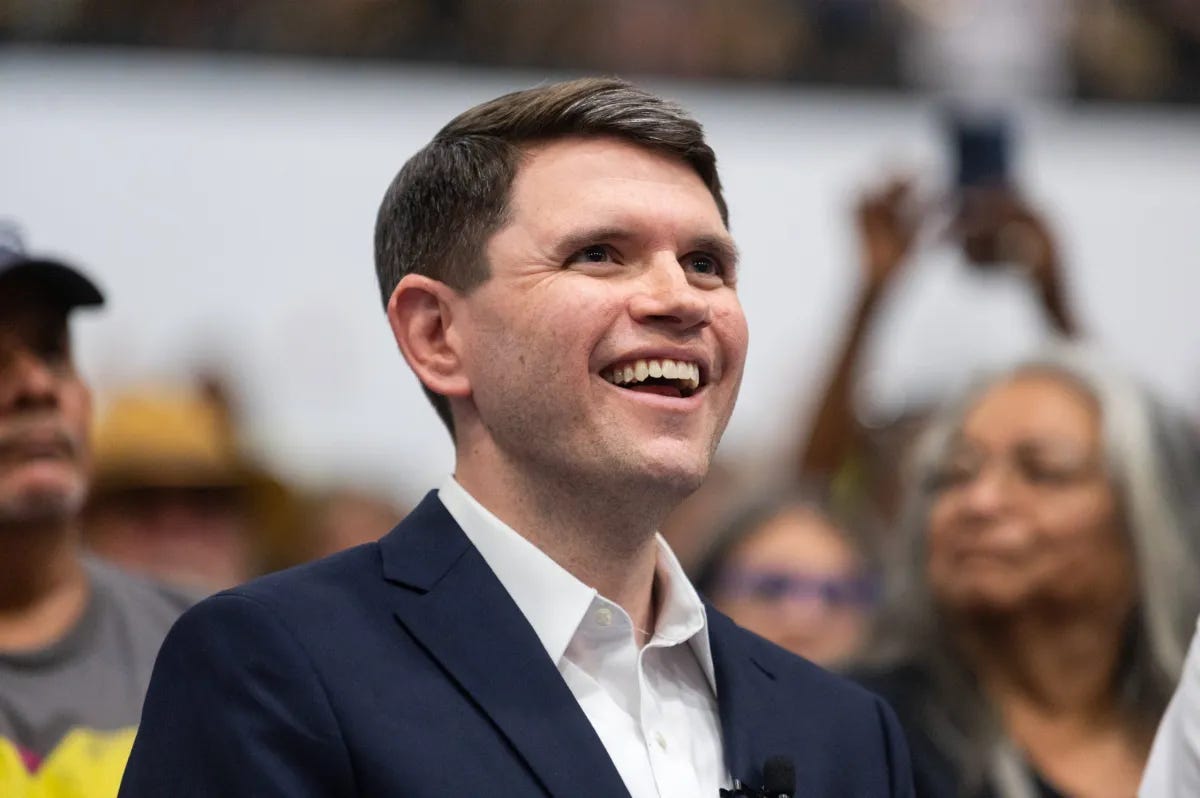
If you want to understand how power works in America, watch what happens when ordinary people start getting a candidate who speaks in bottom-versus-top terms. The system doesn’t need to beat that candidate in public. It can just make them harder to broadcast.
The full interview is on youtube,
Rep. James Talarico On Confronting Christian Nationalism, And Strange Days In The Texas Legislature
The Law Didn’t Change. The Risk Did.
Equal time is real. Section 315 requires broadcast stations to provide equal opportunities to legally qualified candidates when one candidate “uses” the station. But there’s also a long-standing exemption for bona fide news interviews and news programming. That exemption is why talk shows have interviewed candidates for decades without turning every segment into a legal minefield.
The shift came on January 21, 2026, when the FCC’s Media Bureau issued guidance warning broadcasters not to assume they automatically qualify for that exemption. The key phrase regulators keep leaning on is “partisan political purposes.” Once that phrase becomes a compliance trigger, corporate lawyers stop thinking like editors and start thinking like risk managers. Political interviews become legal exposure.
That’s the move: keep the statute, change the atmosphere. And atmosphere is enough. It pushes media companies to police themselves, and self-policing is cleaner than censorship because nobody has to admit they’re doing it.
Now add the corporate reality that makes it worse. Reuters noted that CBS’s parent company Paramount is seeking FCC approval tied to its merger with Skydance. In that environment, no general counsel wants to be the person who “tested boundaries” with the same regulator their company needs. So they fold early. Not because it’s right, but because it’s rational inside a power system.
That’s not journalism. That’s a regulated corporation protecting its deal.
Why Talarico Matters
Now we get to the part that actually matters: why this candidate is worth the risk in the first place.
Talarico isn’t running a culture-war campaign. He’s building a message around material life: healthcare costs, corporate power, and who the system is designed to protect. That is exactly the kind of politics that can cut across partisan tribalism, because working people don’t live in cable-news categories. They live in rent, debt, wages, and premiums. If someone speaks directly to that, they can connect voters who normally get split apart by identity fights and party branding.
And that is why the system reacts.
When politics becomes left versus right, the ruling class can manage it. They can fund both sides, steer the debate into symbolic theater, and keep the working class busy hating each other. When politics becomes bottom versus top, that management breaks down. The coalition shifts from “party identity” to “shared material interest.” That is when power gets nervous.
Talarico is not just noise. A major poll earlier this year showed him leading in the Democratic primary. That matters because candidates like him need oxygen. Broadcast exposure is oxygen. It’s free reach. It’s legitimacy. It’s the kind of exposure you cannot buy at scale without massive money.
So when a network decides he’s “too risky” for air, don’t treat it like routine legal caution. Recognize what it is: an establishment filter activating. Not necessarily because of some secret memo about Talarico specifically, but because the system is built to produce this outcome when a candidate threatens to unite the bottom.
Talarico Policy Box
The short version of what he’s pushing, in plain language:
Healthcare power shift (public option logic)
Expand access to Medicare through a buy-in style approach so people have a non-profit alternative to private insurance. The point is leverage: force private insurers to compete on price and coverage instead of trapping people through employers.Antitrust and corporate consolidation
Stronger enforcement against monopolies and mega-mergers. Translation: stop letting a handful of corporations control prices, wages, and entire markets while ordinary people get told it’s just “inflation.”Fix the rulebook that blocks economic reform
Support procedural reform in the Senate so widely supported public-interest legislation doesn’t get buried by minority obstruction. You don’t have to worship every detail to see the direction: he’s talking about how the system is designed to stop working-class policy from becoming law.
If you want to understand why working-class politics gets treated as “dangerous,” look at those three pillars. They challenge money power directly.
Who Wins, Who Gets Screwed
If you want the class story, don’t speak in slogans. Follow the incentives.
When broadcasters pull back from political interviews because regulators inject fear, here’s what happens.
Who wins:
Incumbents with built-in media presence and donor networks.
Candidates who can buy ads to replace lost earned media.
The class that can literally pay to be heard.
Who gets screwed:
Challengers who rely on visibility, not super PAC money.
Working-class politics, because it depends on persuasion, not ad budgets.
You, because your choices get filtered before you even hear the argument.
That’s the real meaning of “equal time” in a corporate system. It doesn’t equalize anything. It just makes speech more expensive.
The “Just Following the Law” Excuse Doesn’t Hold
Some people will say CBS was simply being cautious. Equal time is the law.
Yes, equal time exists. But the exemption exists too. The issue isn’t legality. The issue is how regulators can weaponize ambiguity to trigger self-censorship without ever formally banning speech. If the FCC wanted clarity, it could offer stable, predictable standards. Instead it created fog. Fog is useful because it makes corporations police themselves.
And corporations always police in the direction of power.
What You Should Take From This
Don’t get distracted by the celebrity packaging. This isn’t about Colbert’s feelings. It’s about whether working people are allowed mass-platform access when someone starts speaking in bottom-versus-top terms.
Culture wars divide the working class. Economic politics threatens concentrated wealth. That’s the axis. If you want unity, you have to recognize the mechanisms designed to prevent it.
So here’s what we do: we stop treating these incidents as isolated scandals. We treat them as patterns. We track the regulatory pressure. We track the corporate incentives. We track which candidates lose oxygen. We track who benefits.
That’s how you see the machine clearly, and that’s how you stop being managed by it.
If broadcast TV is already treating bottom-versus-top politics as too risky to air, that tells you exactly who the system serves.


Thanks for the excellent article. Spelled it all out.
Very well said, an excellent expose of the "system", or as I call it the Epstein Predatory Pirana Class Parasites!