

Today’s briefing looks at the latest developments in the U.S.-Israel-Iran war: a U.S. senator openly describing regime change as a profitable investment, Tehran accusing Washington of trying to seize its oil, oil prices surging past $100, growing political pressure inside the United States, and diplomatic movements involving China and regional powers.
As always, the goal here is simple: track what actually changed in the last 24 hours and place it in context.
If these briefings help you follow the structure behind the headlines, consider subscribing. And if you want to support more daily updates like this, consider upgrading to a paid subscription.
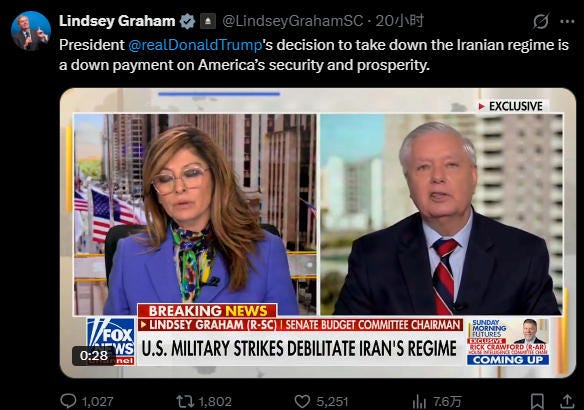
Lindsey Graham openly pitches war for profit
Republican Senator Lindsey Graham said in a television interview that overthrowing Iran’s government could allow the United States and its partners to gain leverage over nearly one-third of global oil reserves and “make a ton of money.”
He framed the war not only as a security issue but as a strategic investment. Graham also linked Iran’s oil reserves to the broader competition with China, arguing that a new Middle East aligned with Washington would reshape the global energy balance.
The comment matters because it strips away the usual moral language around intervention. In this framing, the war is not about democracy or humanitarian concerns. It is about resources, leverage, and long-term strategic advantage.
Tehran rejects blame and prepares for a longer fight
Iranian officials pushed back strongly against several accusations circulating in regional media.
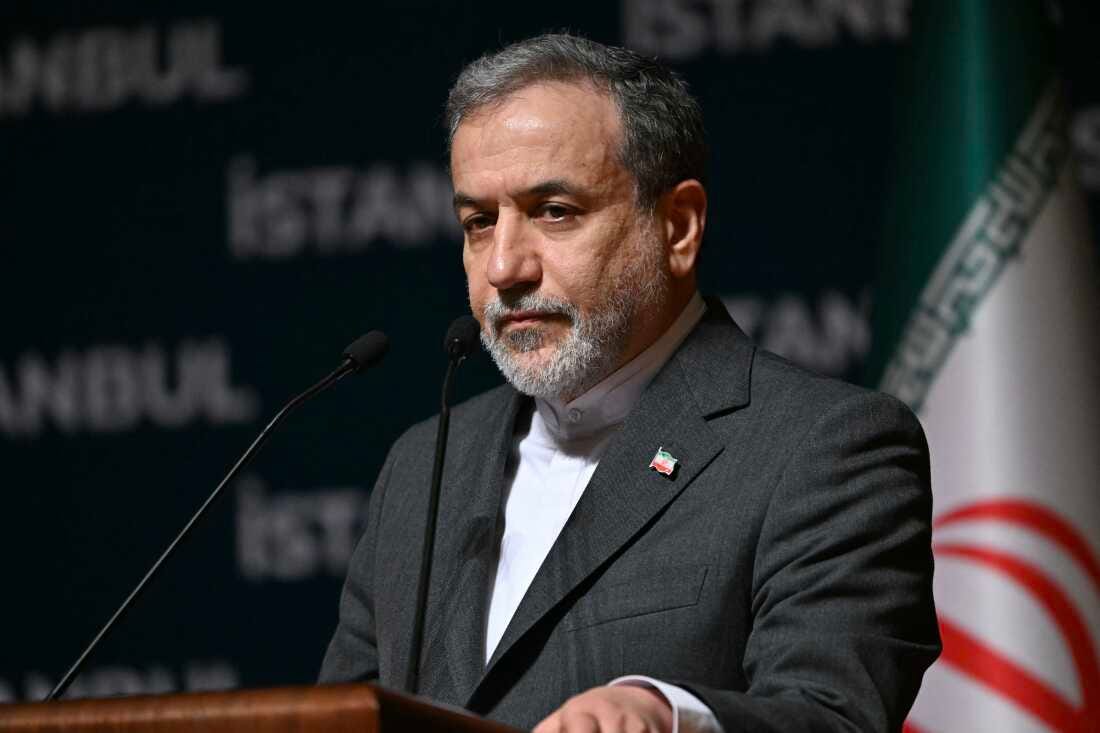
The Iranian foreign ministry denied reports that Iran had launched attacks on Turkey, Azerbaijan, or Cyprus, suggesting some incidents may have been staged in order to damage Iran’s relations with neighboring states.
At the same time, Iran’s foreign minister rejected calls for a ceasefire, arguing that the United States and Israel escalated the war first and that Iran now has to continue fighting for its security.
Iranian officials are also framing the war as an attempt by Washington to divide the country and seize its oil wealth. The message from Tehran is clear: this is not being treated as a limited confrontation but as a struggle tied directly to national survival.
Oil shock spreads as prices break above $100
Energy markets are already reacting to the conflict.
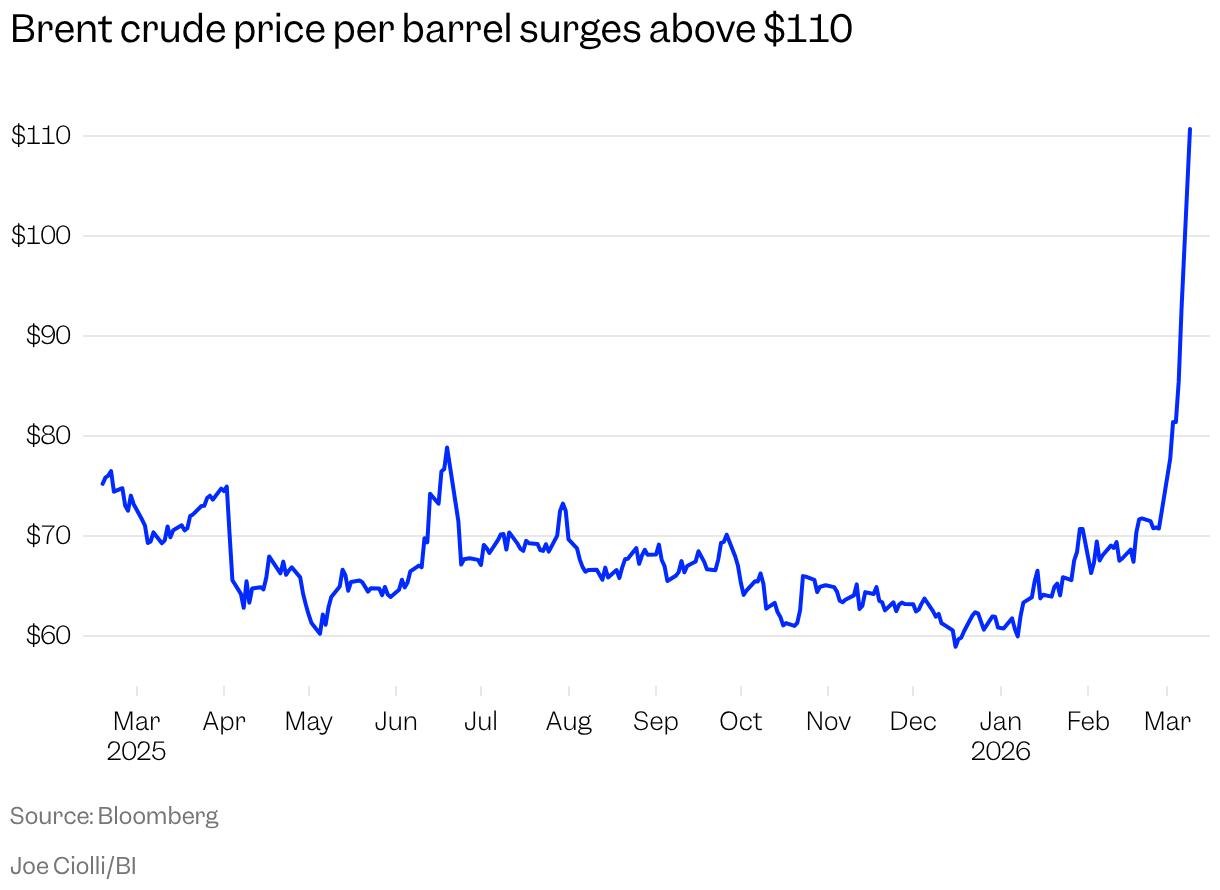
Oil prices surged above $100 per barrel as the war disrupted shipping routes and raised fears about the security of the Strait of Hormuz, one of the most important oil chokepoints in the world.
President Trump dismissed the spike as a temporary issue, calling higher oil prices a “very small price” to pay for eliminating what he described as the Iranian threat.
But the economic effects are already becoming political. Higher fuel prices are feeding inflation concerns in the United States and increasing pressure on the administration.
At the same time, analysts note that the impact of an oil shock will not be equal across countries. China, for example, may be more insulated than many economies because of its strategic reserves, rapid expansion of renewable energy, large-scale adoption of electric vehicles, and diversified energy supply network.
Political pressure begins building inside the United States
Rising energy prices and the possibility of a longer war are beginning to create political tension at home.
Recent reporting suggests many American voters remain concerned about inflation and cost-of-living issues, and some Republican voters are questioning whether the conflict could turn into another prolonged Middle East war similar to the Iraq conflict.
Even some figures within the broader MAGA movement have expressed concern about the possibility of deeper military involvement, particularly if ground troops were ever introduced.
For the White House, this creates a familiar contradiction: projecting strength abroad while managing rising economic pressure at home.
Evidence grows around the Minab school strike
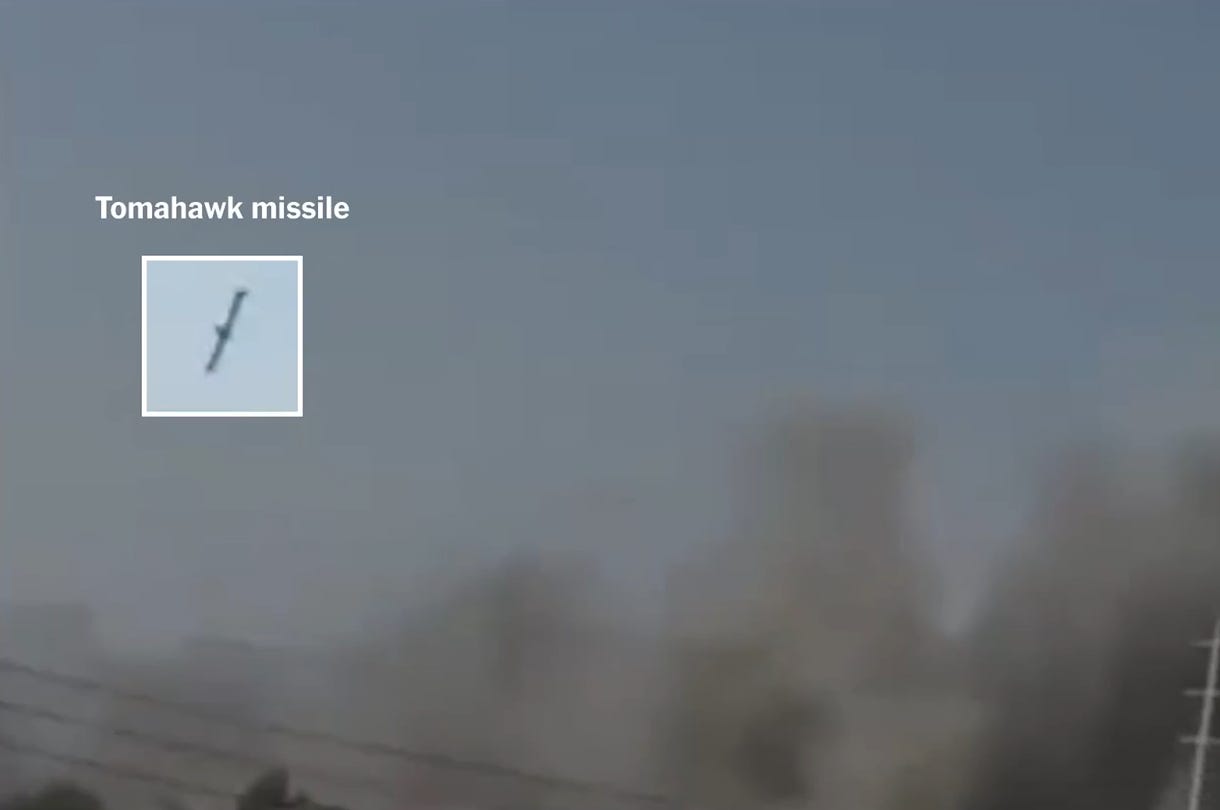
New reporting and analysis are adding to the controversy surrounding the strike that hit a school in Minab, Iran, killing more than one hundred people, many of them children.
Investigations based on video footage, satellite imagery, and weapons analysis suggest that a U.S. Tomahawk missile may have struck near or at the location during the opening phase of the military campaign.
If confirmed, the incident could become one of the most politically damaging moments of the war. Civilian casualties, especially involving children, have historically had a powerful impact on international opinion and domestic political debate.
China calls for de-escalation as diplomacy quietly moves
While the military situation continues to escalate, diplomatic activity is also increasing.
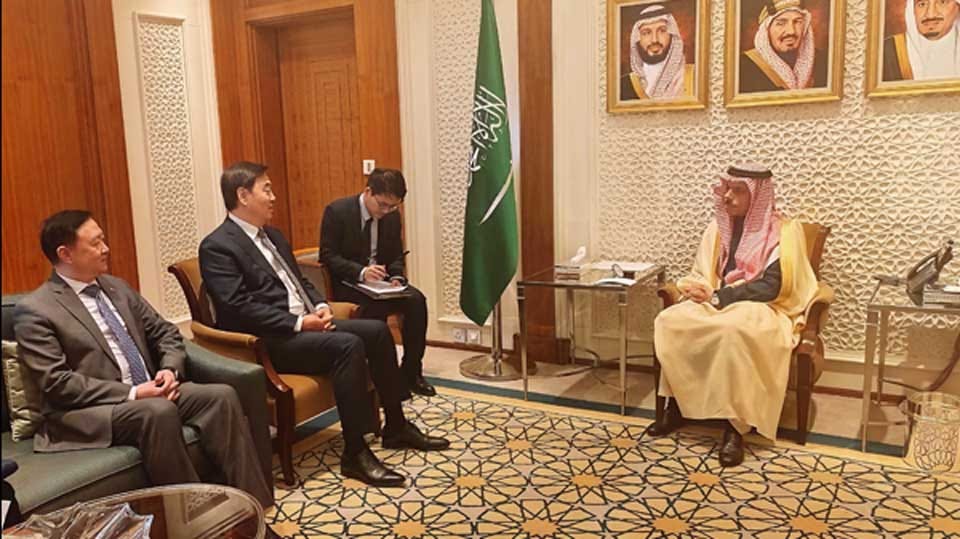
China’s Middle East envoy met Saudi Arabia’s foreign minister and called for an immediate halt to military action, warning that further escalation could threaten regional stability and global energy security.
At the same time, preparations for President Trump’s late-March visit to China are reportedly entering their final stages. Current plans suggest the trip will be limited to Beijing due to security and scheduling constraints.
The timing is notable. The visit may take place while the war is still unfolding and oil markets remain unstable, adding another layer of geopolitical complexity to an already tense moment.
U.S. losses in the conflict continue to grow
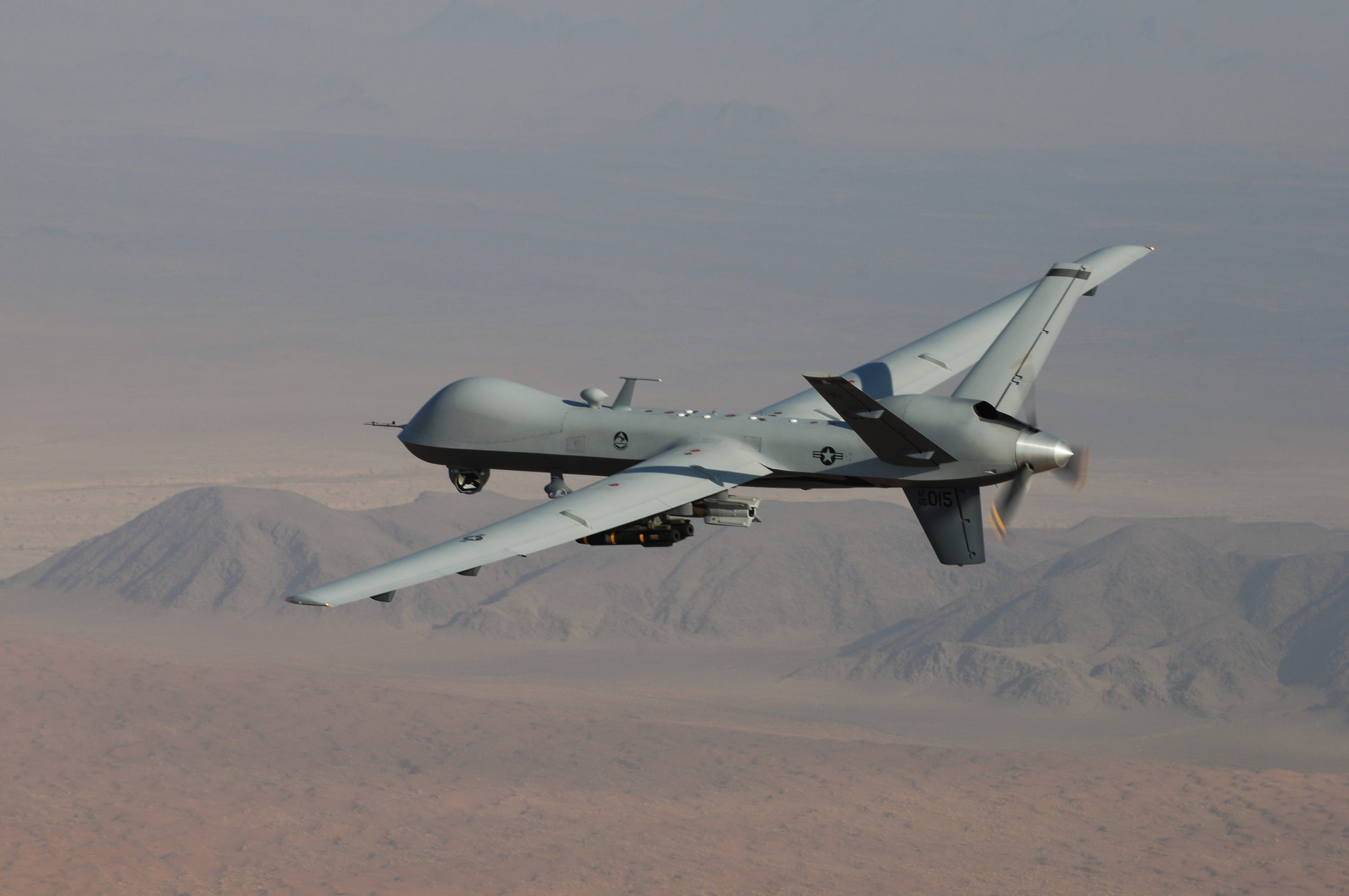
The United States has now reportedly lost nine MQ-9 Reaper drones during the current conflict, representing more than $270 million in hardware losses.
Defense officials have also acknowledged that additional casualties among U.S. personnel are possible as the war continues.
Even without ground operations, the financial and military costs of the conflict are already mounting.
Bottom line
The war is no longer just a battlefield story.
It is now simultaneously an energy shock, a domestic political challenge in the United States, a diplomatic contest among major powers, and a test of endurance for the countries directly involved.
Meanwhile, global markets are already delivering the first verdict through rising energy prices.
If this briefing helped you understand the bigger picture behind today’s headlines, consider subscribing. And if you want to support more daily briefings like this, consider upgrading to a paid subscription. Thank you.


Maybe soon the countries with US military bases will evict them. This behaviour by Trump admin is insane.
@Senate Democrats @Rep. Jasmine Crockett @Senator Andy Kim @Senator Elizabeth Warren @Senator Elissa Slotkin @Aaron Parnas @MeidasTouch Network @Donny Evans @Dean Blundell @Thom Hartmann
Is it plausible that this senseless war was started because they wanted us to take our attention off of election rigging? The FBI, seizing ballots from Georgia and now Arizona from a previous election in the middle of a war should be a five alarm for all of us! The timing of the war (right after @James Talarico won Texas primary) They are using this war to keep our attention off of the elections coming, and we have to keep our eyes wide open, sharp and call out these things and let them know we are WATCHING before we lose our democracy. I implore you-if can spare time please read some of these articles 👇🏼 there are people sounding the alarm‼️
https://thiswillhold.substack.com/p/she-won-they-didnt-just-change-the?r=3uk4in&utm_medium=ios
https://substack.com/@andrewdarroch/note/c-224647491?r=3uk4in&utm_medium=ios&utm_source=notes-share-action
https://substack.com/@thiswillhold/note/c-223721288?r=3uk4in&utm_medium=ios&utm_source=notes-share-action
https://substack.com/@thiswillhold/note/c-223723741?r=3uk4in&utm_medium=ios&utm_source=notes-share-action
https://thiswillhold.substack.com/p/she-won-how-epstein-and-peter-thiel?r=3uk4in&utm_medium=ios