

The new phase is already on the table
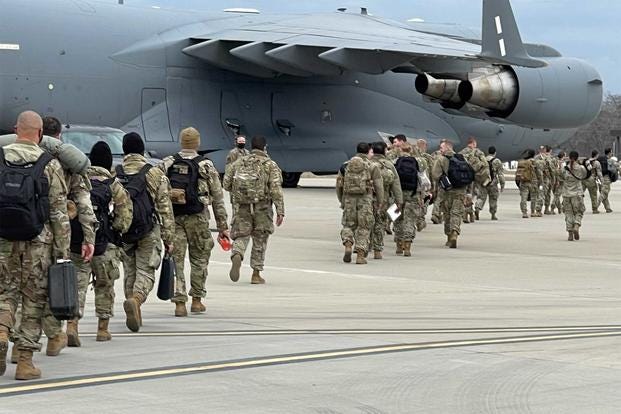
Washington is now openly weighing another 10,000 U.S. ground troops for the Middle East. That is not background noise. That is the next phase of escalation being prepared in public. Reuters, citing a Wall Street Journal report, said on March 27 that the Pentagon is considering the deployment as Trump keeps both military and diplomatic options in play. Reuters also reported that some of the planning around Iran includes Kharg Island, the oil hub that handles about 90 percent of Iran’s exports.
That matters because this is the moment when official language starts getting slippery. A troop buildup is described as flexibility. Ground forces are framed as leverage. A wider war is sold as readiness. The vocabulary gets cleaner as the reality gets dirtier.
This is no longer about whether the system is drifting toward a deeper conflict. It is about how openly it is now doing so.
Hormuz changed the argument
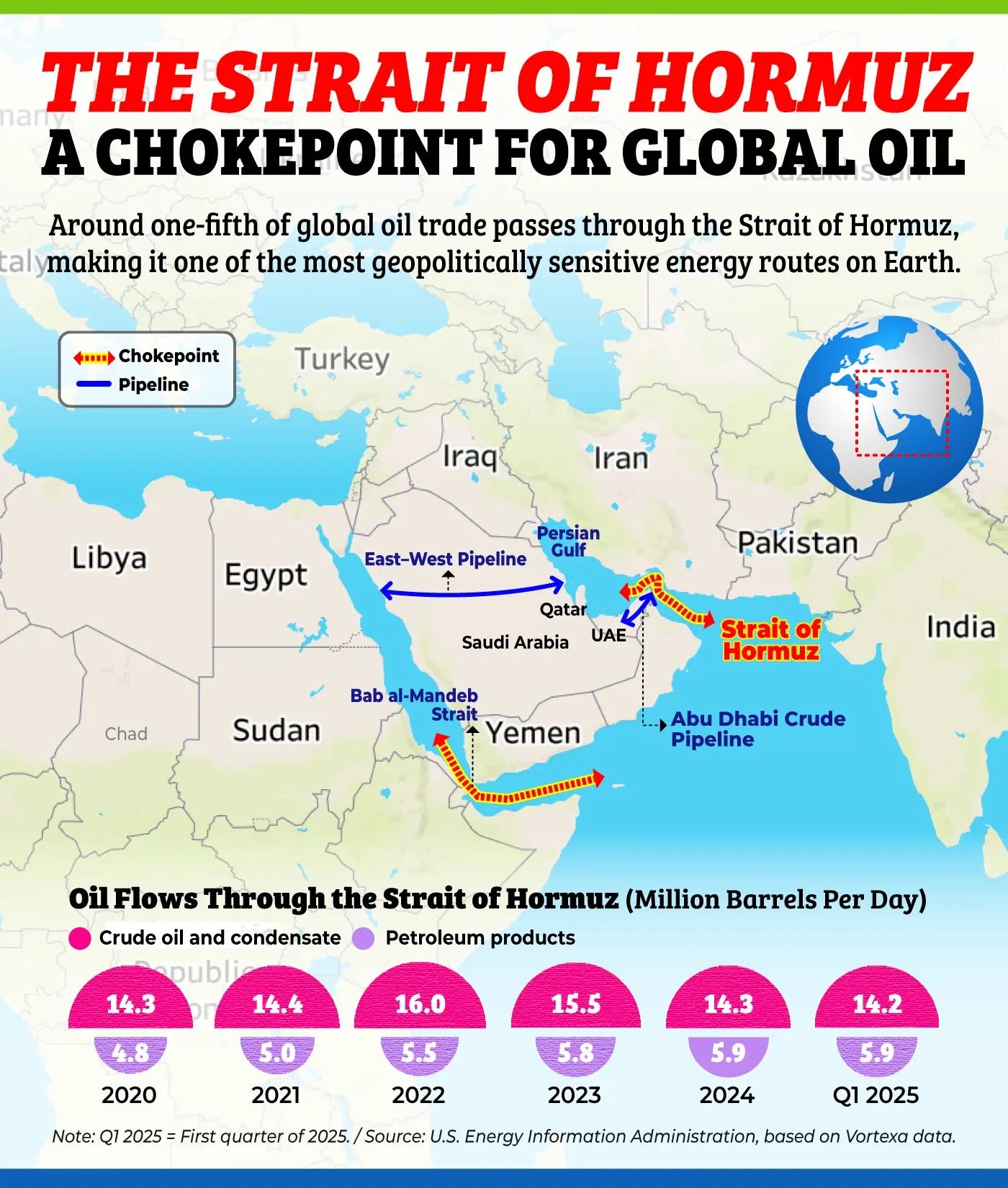
The Strait of Hormuz is not some distant maritime detail. Around 20 percent of the world’s oil and gas moves through it. Once that chokepoint becomes unstable, the consequences land far beyond the Gulf. They hit fuel markets, shipping costs, insurance, inflation, and political nerves in every country tied to energy imports. Reuters reported on March 27 that the UAE is now willing to join a multinational force to reopen the strait, while France has already approached about 35 countries about a future Hormuz mission.
That alone tells you the old order has already cracked. Regional governments and outside naval powers are no longer treating Hormuz as a temporary problem. They are treating it as a structural threat.
This is where the pressure for escalation comes from. If Washington does not restore freedom of movement through Hormuz, it looks weak. If it tries to restore that freedom through direct force, it risks walking into a larger war. Neither option is clean. Both carry a bill.
The hawks are selling a fantasy of decisive force
Inside Washington, the same fantasy always comes back. Find the key point. Seize the strategic node. Change the balance with one hard move. In this case, the fantasy centers on places like Kharg Island. On paper, it looks simple. Reuters reported that analysts estimate only 800 to 1,000 troops might be needed to seize it. In practice, that same reporting warns that any occupation would leave U.S. forces exposed to missile attacks, drones, and naval mines. Former CENTCOM commander Joseph Votel told Reuters he doubts such an operation would bring major strategic benefit.
This is exactly the kind of thinking that seduces hawks and ruins countries. They see a map and imagine a clean military solution. They talk about leverage, not aftermath. They talk about seizing, not holding. They talk about decisive action, not the long tail of attrition that follows once the cameras move on.
It is the old disease of American power. Too many people in Washington still think war works like a dramatic board game. Take the point. Break the enemy. Force the outcome. That logic belongs to another era. It does not fit a battlefield shaped by drones, dispersed missiles, proxy networks, and maritime disruption. A modern war does not end because one island changes hands. It simply mutates.
The class reality never changes
The people pushing these ideas almost never talk honestly about who pays for them. Ground troops are discussed as if they were pieces in a briefing memo. They are not. They are human beings pulled from a very specific social base.
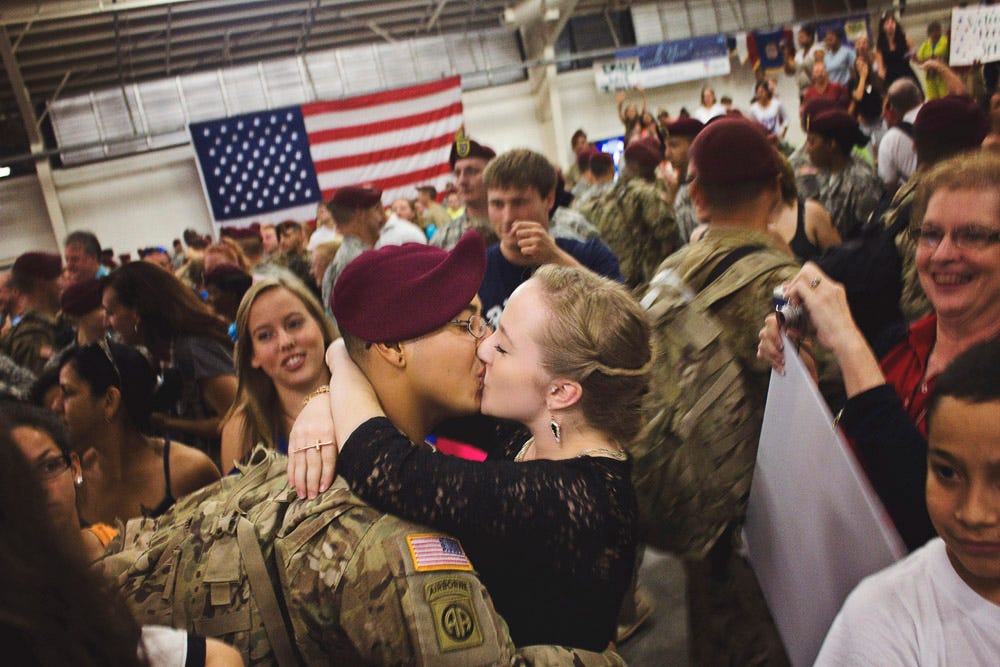
If this expands into ground deployment, the burden will not fall on senators, television hawks, defense consultants, or the class of people who turn war into status and access. It will fall, again, on working-class families. It will fall on the sons and daughters of people already squeezed by rent, debt, stagnant wages, and rising prices. They will be told this is duty. They will be told this is security. They will be the ones asked to carry the rifles, absorb the trauma, and disappear into the patriotic language that always comes after the decision has already been made.
That part is not accidental. It is how the system works. War abroad and class discipline at home have always fit together comfortably in American politics. The same society that cannot guarantee stability, healthcare, or real upward mobility somehow always finds a new moral vocabulary for sending other people’s children into danger.
This is not just about Iran
Iran is the immediate target, but the deeper problem is the operating logic of American power. Airstrikes fail to produce full control. The answer becomes more force. Regional instability spreads. The answer becomes more presence. A chokepoint becomes contested. The answer becomes a larger military footprint. Every failure becomes the argument for expansion.
That is why it is too shallow to say the United States is simply being forced into this by Iran. Iran has created pressure, yes. Hormuz has raised the stakes, yes. Gulf states and Israel have their own reasons for wanting Tehran pushed back harder, yes. But the larger truth is uglier. Washington has built a system that does not know how to respond to strategic humiliation except through escalation.
The result is predictable. A crisis becomes a test of credibility. Credibility becomes a test of force. Force becomes a trap.
There is no clean way out
The hawks are right about one thing. A settlement that leaves Iran with proven leverage over Hormuz will have consequences. It will scare regional states, keep energy markets on edge, and invite future coercion. Reuters also reported on March 26 that Yemen’s Houthis said they were ready to join the war if needed, raising the risk that maritime pressure could spread beyond Hormuz to Bab al-Mandab as well.
But the hawks lie about the other half. Escalation does not erase the problem. It widens it. Send in more troops and the mission will not stay limited for long. Protection requires reinforcement. Reinforcement creates permanence. Then comes the familiar language of stabilization, force protection, and strategic patience. A temporary deployment becomes a durable commitment because every new step is justified by the last one.
Final word
Another 10,000 troops would not represent strength. They would represent failure. They would be an admission that air power did not settle the issue, that deterrence did not restore order, and that Washington still believes more force can repair a crisis shaped in large part by force itself.
The cost will not be paid evenly. It never is. It will be paid in inflation, deployment cycles, damaged bodies, funerals, and another round of elite rhetoric about necessity.
That is the truth underneath the strategy talk. This is not a clean solution being prepared. It is a deeper entanglement being rationalized.
If you want analysis that goes past the performance and gets at the machinery underneath, subscribe. If you want to support this work directly, consider upgrading to a paid subscription.


Lyndon Johnson told the nation
Have no fear of escalation
I am trying everyone to please
Though it isn't really war
We're sending fifty thousand more
To help save Vietnam from the Vietnamese
~Tom Paxton, 1965
If there was any plan by the American government the Strait of Hormuz would have never closed. That should have been the first strategic battle to overcome. Now everyone in the World pays for this catastrophe fiasco.