

Good morning everyone, here are the latest updates.
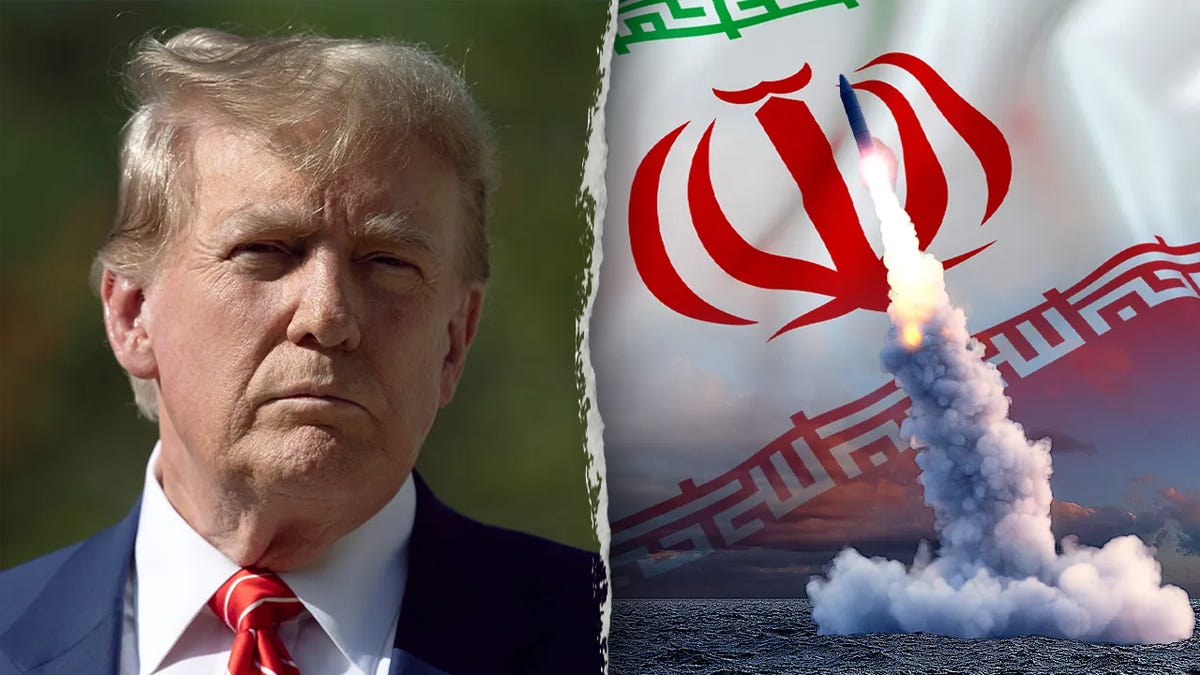
President Donald Trump went on national television and delivered a message that sounded simple on the surface: the United States has already achieved a “rapid, decisive, overwhelming victory” against Iran.
But within the same speech, he made it clear the war is not over.
He said the U.S. will continue bombing Iran for another two to three weeks. He warned that if Tehran does not agree to a deal, the U.S. could escalate further by targeting power plants and oil infrastructure. He did not provide a clear timeline for withdrawal, nor did he define what conditions would actually mark the end of the conflict.
That contradiction sits at the center of everything.
A war that is “won” is still expanding. A victory that is “decisive” still requires weeks of additional strikes.
And there is no clear explanation of why.
The internal political messaging adds another layer. Trump said that if negotiations succeed, the credit belongs to him. If they fail, the blame goes to Vice President JD Vance. That framing may sound casual, but it reveals how the administration is preparing for uncertainty. Success is being claimed in advance. Failure is already being assigned elsewhere.
At the same time, Iran is pushing a completely different narrative.
Iran’s president released a public letter addressed directly to the American people, not the U.S. government. It argues that Iran has no hostility toward ordinary Americans and portrays the war as a product of geopolitical manipulation, military industry interests, and external influence. It even suggests the United States is acting as a proxy for Israel, framing the conflict as something driven by forces beyond American public interest.
Here is the letter from X/twitter.
This is not standard diplomacy. It is an attempt to separate the American population from its government and reshape how the war is perceived inside the United States.
Meanwhile, the military and economic reality of the conflict is still tightening.
The Strait of Hormuz has become a central pressure point. Trump suggested that once the war ends, the waterway will naturally reopen. Iranian officials, however, have signaled a different approach, saying it remains open to the world but can be closed to Iran’s enemies. This is not just a political statement. It is a direct lever over global energy supply.
That tension is already visible in the markets.
After Trump’s speech, oil prices moved higher while stock futures dropped. The reaction was immediate and clear. Investors were expecting signs of de-escalation or at least a defined path toward ending the conflict. Instead, they saw continued escalation and strategic uncertainty. Markets are not responding to rhetoric. They are responding to risk.
On the ground, the humanitarian dimension is becoming harder to ignore.
Iran has accused the U.S. and Israel of targeting hundreds of schools and educational facilities, calling it part of a systematic campaign and even labeling it genocide. Independent confirmation is still limited. What is confirmed is that strikes have hit civilian sites and that the United Nations has called for investigations. The scale and legal classification remain disputed.
This is where the information battle becomes most intense. Each side is shaping the narrative around civilian harm, and the gap between accusation and verification is becoming part of the conflict itself.
Then there is the most extreme layer of the current discourse.
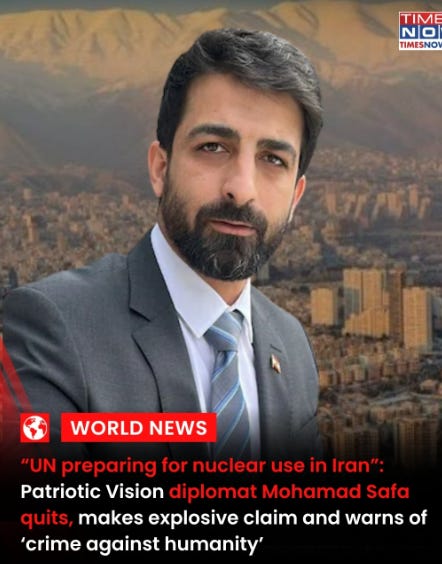
A UN-affiliated figure resigned and publicly claimed that preparations for possible nuclear weapon use in Iran were underway. This claim has not been verified by major international outlets or confirmed by official sources. It remains an allegation. But its presence in the information environment shows how far the rhetoric has escalated.
At this point, the war is not just being fought militarily. It is being fought through narratives that are increasingly incompatible with each other.
What This Suggests
This conflict is no longer operating inside a single shared reality. The U.S. is selling a narrative of near victory, Iran is framing the war as foreign manipulation and unjust aggression, markets are pricing in prolonged instability, and international institutions are warning without offering clear resolution. When all of those signals point in different directions, it usually means the same thing: the war is still open, and no one truly controls how it ends.
That is why the real question is not whether this war is ending, but whether anyone involved can even define what an ending would look like. Until that exists, every victory speech, every threat, and every round of negotiations becomes part of the same unresolved cycle.
If this kind of breakdown helps you make sense of what’s happening, subscribe and stay with me here.And if you want to support this work and help me go deeper, consider upgrading to a paid subscription. This story is still moving, and I’ll keep tracking it.


The open letter was interesting. Thanks for linking to it. I hadn’t been aware of it. I must say, though, I disagree with the Iranian president’s characterization of the US as an Israeli proxy. I think it’s the other way around.