

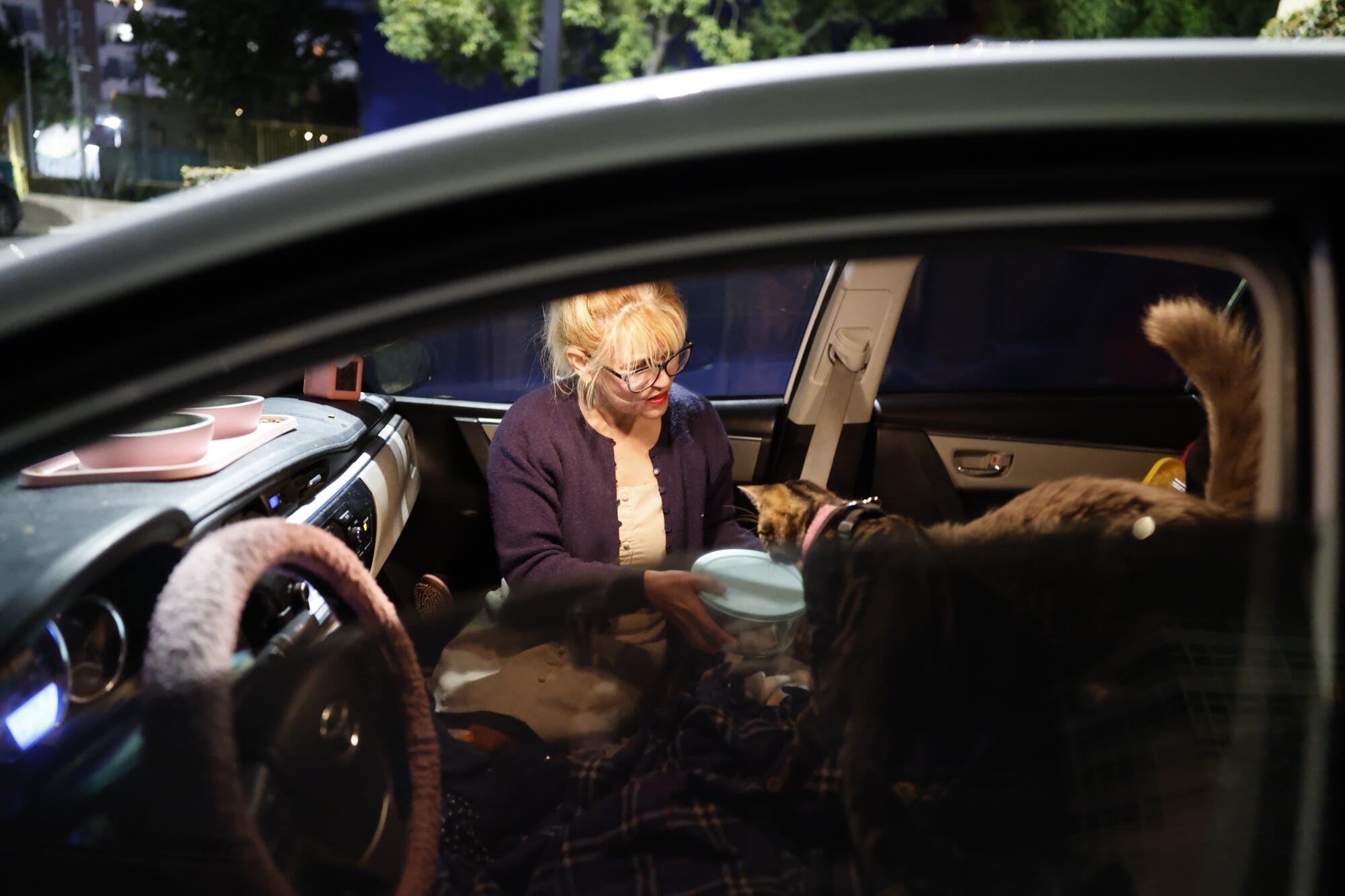
Some delivery workers in Los Angeles sleep in the same cars they use to earn a living. Think about what happens if that car breaks down. Or if the person driving it gets sick.
A RAND study published in November examined Safe Parking LA, a nonprofit providing overnight parking and support for people living in vehicles. Its participants were more likely to be employed than the broader homeless population. People were still working while already without a stable home.
That is what bothers me. Getting a job is supposed to help you support yourself. What does it say about an economy when people keep working after losing the basic conditions of a decent life?
How long could you stop?
You might have somewhere to sleep tonight. But perhaps keeping it means a second job, weekend shifts, or overtime your body can barely handle. Perhaps you work one job and still go in sick because missing a shift means another unpaid bill.
Ask yourself how long you could stop. A week? A month? How much time could you afford to recover from an accident?
Harvard’s 2026 housing report found that 12.1 million renter households spent more than half their income on housing in 2024. The Federal Reserve’s survey found that 23 percent of renters had fallen behind on rent at some point in 2025.
Those figures describe people whose income already has very little room to stretch. A medical bill or lost shift arrives on top of rent, food, electricity, and everything else that still needs paying.
In my view, the worker sleeping in a car shows what can happen when that room disappears. Others may recognize the pressure long before they lose their homes.
When one loss creates another
Consider how the damage can spread. An injury interrupts your income. You delay treatment because money is tight. Rent falls behind. Losing your home makes sleeping properly and recovering harder. Finding work becomes another task you must manage while exhausted and unwell.
At each step, getting back becomes more difficult. A problem that might have been manageable with early help becomes a crisis requiring much more support.
This is the threshold I want to examine. You reach a point where each loss starts producing another, while the resources needed to recover keep slipping away.
Telling someone at that point to work harder is obscene. They may already have worked themselves sick trying to prevent exactly this.
Who pays for recovery?
Marx discussed the maintenance and reproduction of labor power. Put plainly, people need food, shelter, rest, and care to remain capable of working. Those needs continue when their income stops.
A business can replace an injured worker. That worker’s family still has to live with the injury. If the family cannot afford recovery, public support becomes crucial.
Here is where the question of profit matters. Paying for someone’s treatment and housing may bring little direct return to a particular employer, especially if another worker is available. Yet recovery benefits the person, their family, and the wider society.
Why should an employer’s willingness to pay decide whether that recovery happens? Why should someone have to prove they will become a profitable investment before receiving the conditions needed to live?
The worker still has a life, relationships, skills, and needs. Their employer’s calculation cannot be allowed to determine their human worth.
A government has responsibilities
I judge a government by what happens when someone gets sick and misses a paycheck. Can they get treatment? Can they stay in their home? Does help arrive before they’re sleeping in their car?
In the RAND study, Safe Parking LA participants who received help with housing, transportation, or food tended to have better housing outcomes. So when a government says it has a program, I want to know who qualifies, how long they have to wait, and whether the help is enough to keep them housed.
If a business can replace you and keep making money, it can and will move on. You still have to pay rent. Your family still has to figure out how to pay for treatment. And if you go back to work before you’re ready because you need the money, you’re the one who lives with what happens to your body.
That’s what respecting labor means to me. People should have a say in the conditions they work under, and they should be able to count on paid sick leave, healthcare they can afford, and enough income to keep a roof over their heads while they recover.
You should be able to stop working long enough to get well without losing everything you worked to keep.
Great examples: Raw capitalism becomes eugenics and you are tasked with digging your own grave.