

Every war produces an avalanche of headlines. Most of them focus on statements, claims, and reactions. What they rarely show is the structure of events.
Below is a reconstruction of the latest developments in the conflict involving the United States, Israel, and Iran, based on reporting over the past 24 hours.
The Update
U.S. officials admit Iranian drones are harder to intercept than expected
During a classified briefing on Capitol Hill, senior U.S. military officials acknowledged that Iranian drones are proving more difficult to counter than originally anticipated.
Iran has deployed thousands of one way attack drones. U.S. forces can intercept the majority of them, but officials admitted that not every drone can be stopped.
The military priority is shifting toward destroying drone and missile launch sites rather than relying solely on interception.
Lawmakers also raised concerns that continuous interception operations are consuming Patriot and THAAD interceptor missiles at a significant rate. Publicly, Pentagon officials continue to emphasize that ammunition stocks remain sufficient. In private briefings, however, officials acknowledged the risk of depletion.
Cost is another issue. During the early phase of the conflict, U.S. military operations reportedly cost roughly two billion dollars per day. That figure has since fallen to about one billion dollars per day, though the financial burden remains significant.
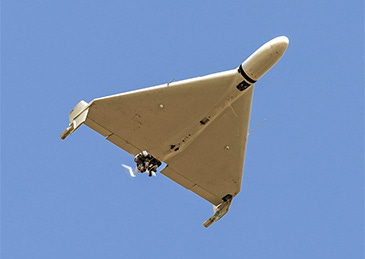
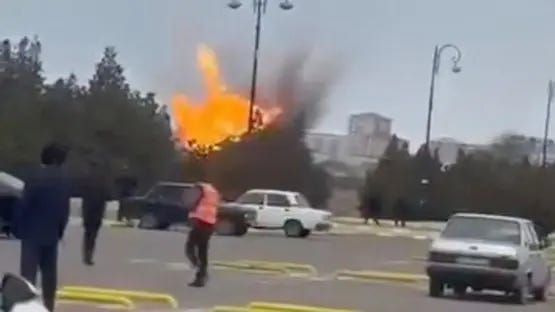
Azerbaijan accuses Iran of drone strike and threatens retaliation
Azerbaijan reported that two drones struck infrastructure in the Nakhchivan Autonomous Republic, injuring four people.
According to Azerbaijani officials, one drone hit an airport terminal while another crashed near a school.
The Azerbaijani Defense Ministry condemned the attack and stated the incident “will not go unanswered.”
Iran denied any involvement and suggested the event could be an attempt by Israel to provoke wider regional confrontation.
The situation raises the possibility that tensions between Iran and Azerbaijan could escalate, potentially widening the conflict beyond its current boundaries.
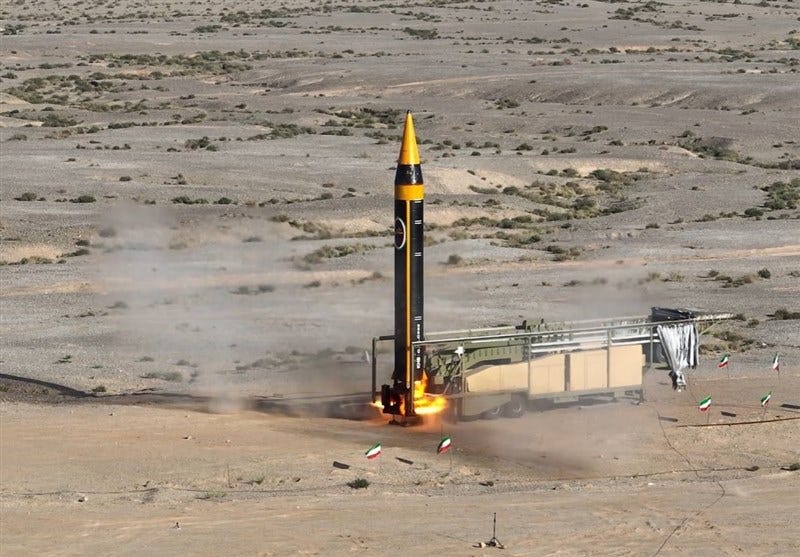
Iran claims heavy missile strike against Israel
Iran’s Islamic Revolutionary Guard Corps announced that it used the Khorramshahr 4 heavy missile, reportedly carrying a one ton warhead, in a new round of strikes against Israeli targets.
Iran stated that the missile targeted central Tel Aviv, Ben Gurion Airport, and nearby military facilities, claiming the projectile penetrated Israel’s layered defense system.
Israeli officials disputed parts of the claim, noting that the Iranian statement referenced an Israeli Air Force squadron that does not exist. Israeli authorities also stated that most missiles were intercepted.
The exchange highlights the information battle accompanying the military confrontation.
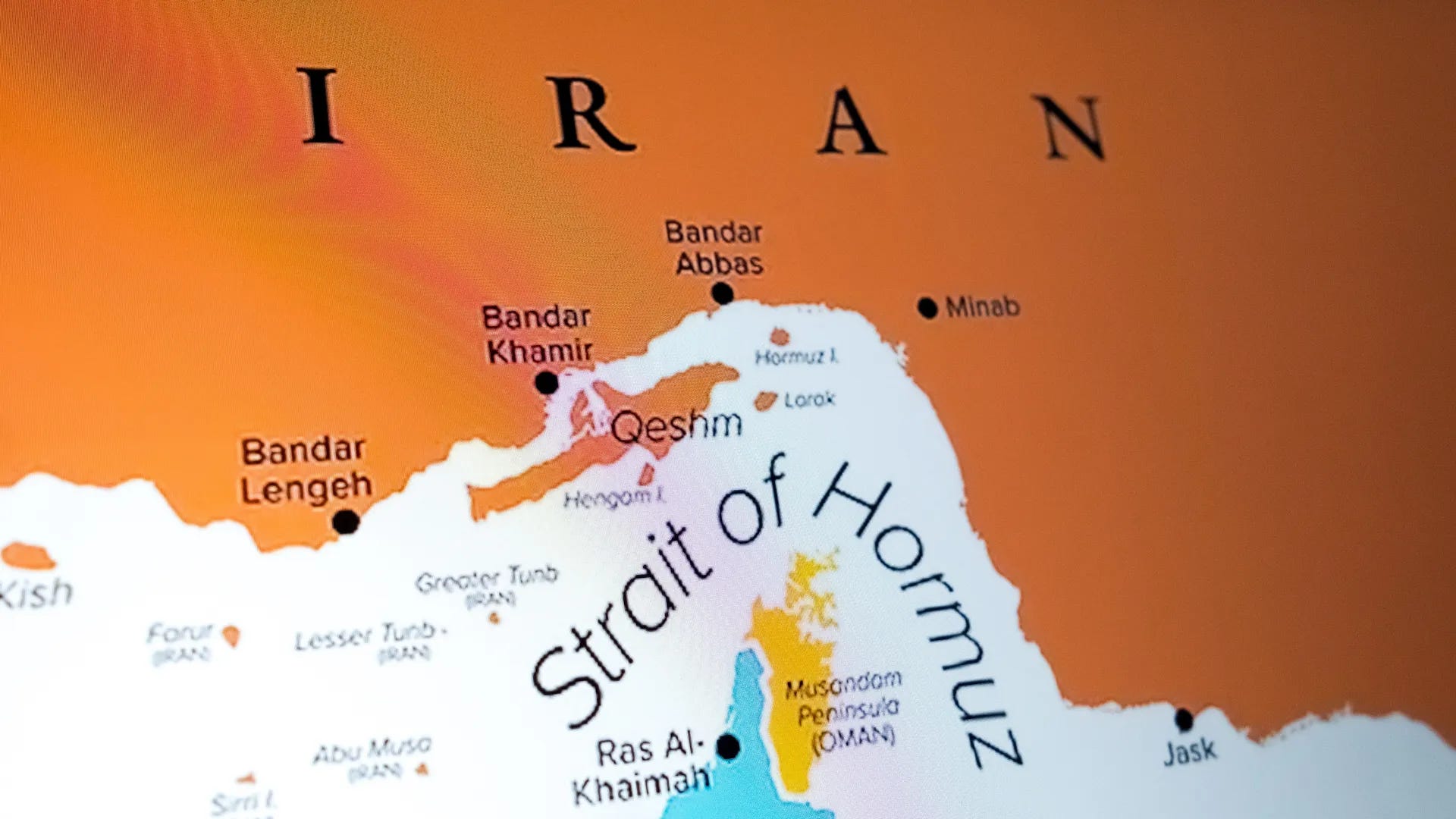
Conflicting Iranian statements on the Strait of Hormuz
Iranian state media quoted Revolutionary Guard officials warning that the Strait of Hormuz could be closed to ships linked to the United States, Israel, Europe, and their allies.
However, another Iranian military official later stated that Iran has not formally closed the strait.
The Strait of Hormuz remains one of the most critical chokepoints in global energy markets, with roughly twenty percent of global oil shipments passing through the waterway.
Even partial disruption could significantly affect global energy prices and maritime trade.
IOC says it will not sanction U.S. or Israeli athletes
Following the U.S. and Israeli strike on Iran during the Olympic Truce period connected to the 2026 Milan Cortina Winter Olympics, some activists and political voices called for banning American and Israeli athletes from competition.
The International Olympic Committee responded that the Olympic Truce resolution is not legally binding, and that the IOC, as a UN observer organization, has no authority to enforce it.
The committee emphasized the neutrality principle of the Olympic movement and stated that decisions regarding sanctions fall within the broader United Nations system, not the IOC itself.
The issue remains politically sensitive because the IOC imposed strict participation limits on Russian and Belarusian athletes after the Ukraine conflict.

Iran claims missile strike on an American oil tanker
Iranian media reported that an Iranian missile struck a U.S. oil tanker in the northern Persian Gulf, leaving the vessel burning.
Iranian officials also warned that during wartime navigation rules in the Strait of Hormuz would be controlled by Iran, and ships connected to the United States, Israel, or their allies could face attacks.
Independent confirmation of the tanker strike remains limited.
If verified, such attacks could shift the conflict toward commercial shipping and global energy infrastructure, which would have broader economic consequences.
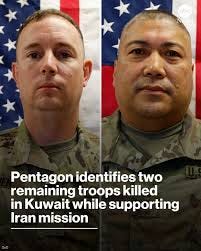
Pentagon confirms identities of U.S. soldiers killed in Kuwait drone attack
The Pentagon released the identities of the final two U.S. service members killed in a March 1 drone attack on a U.S. operations center in Kuwait.
The strike killed six American personnel and injured eighteen others.
The facility targeted in the attack was a temporary logistics structure used for regional supply operations.
Reports indicate that the building had minimal protection against drone attacks, and that no warning alarm was triggered before impact, leaving soldiers little time to reach shelter.
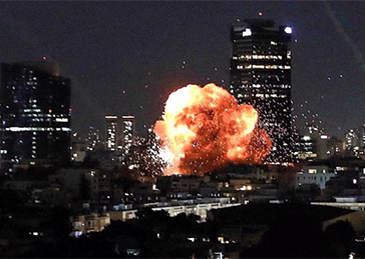
Iranian Revolutionary Guard claims new wave of strikes
Iranian state media reported that the retaliation campaign known as “True Promise 4” has entered its seventeenth phase.
The Revolutionary Guard claimed its missile and drone attacks struck multiple American and Israeli targets, including military bases and infrastructure.
Iranian reports also stated that an Amazon AWS data center in Bahrain suffered significant damage during the attacks. The data center serves as a regional cloud infrastructure hub for Gulf countries.
Independent verification of several military claims remains limited.
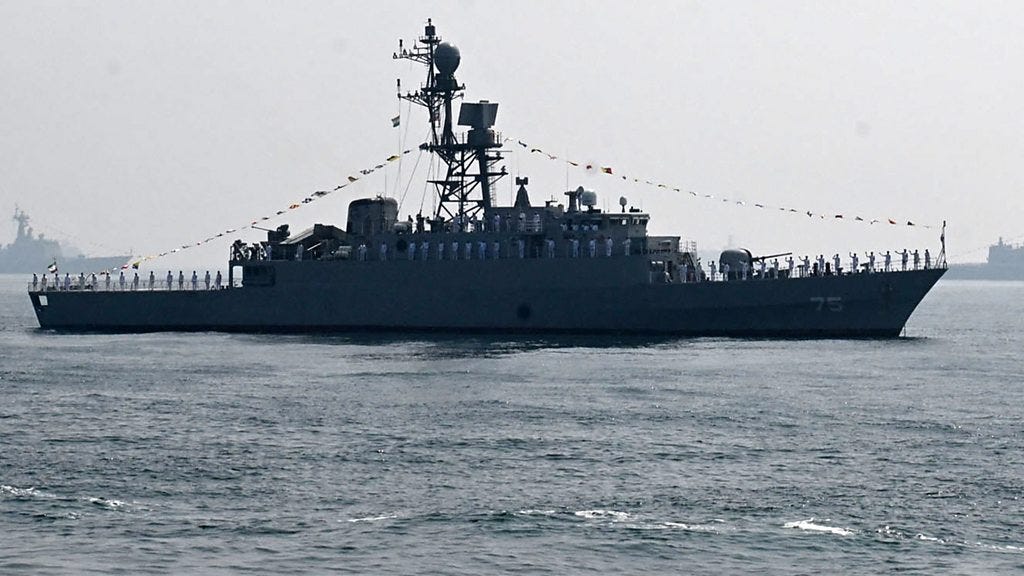
Iranian warship sinks near Sri Lanka; U.S. officials say an American submarine was responsible
Three U.S. officials told Reuters that a U.S. Navy submarine attacked and sank an Iranian warship near Sri Lanka on March 4.
The ship involved was reportedly the Iranian naval vessel Dena.
Sri Lankan authorities said they received a distress signal and launched a rescue operation, recovering 32 crew members from the water. Several bodies were also recovered.
Earlier reports claiming more than one hundred sailors missing were later denied by Sri Lankan naval officials.
Iran has not yet publicly responded to the reported submarine attack.
Why these briefings exist
Daily news cycles rarely show the structure behind major geopolitical events. Individual headlines capture fragments of the story, but they rarely show how developments connect across time.
These briefings aim to track the sequence of events because wars are shaped not only by weapons but also by logistics, cost, and escalation dynamics.
Support this work
If you want daily briefings that organize breaking developments into a clear timeline, consider subscribing to the newsletter.
And if you would like to support independent analysis that focuses on the systems behind global events, upgrading to a paid membership helps keep this project running.
Thank you to everyone who reads and supports this work.
Thanks. Seems like you have more information than most of western media has, or perhaps is allowed, to publish.
I can't remember all of the details, but i remember Azerbaijan behaving strangely pro-American regarding oil logistics to bypass Russia last year. I wonder what Azerbaijan will do next, but I hope the people don't fall for deception