

Let’s cut the crap.
The United States has been squeezing Cuba for more than 60 years. That is not a temporary policy failure. That is not bureaucratic drift. When something continues across administrations, parties, and decades, it is not an accident. It is a strategy.


And that alone should make people stop repeating the usual script about democracy, human rights, and freedom. If those were really the goals, then by Washington’s own standards the policy failed long ago. Cuba did not fold. Its government did not disappear. The island did not crawl back into the U.S. orbit.
So the obvious question is this: what if those were never the real goals?
That is where Cuba starts to make more sense.
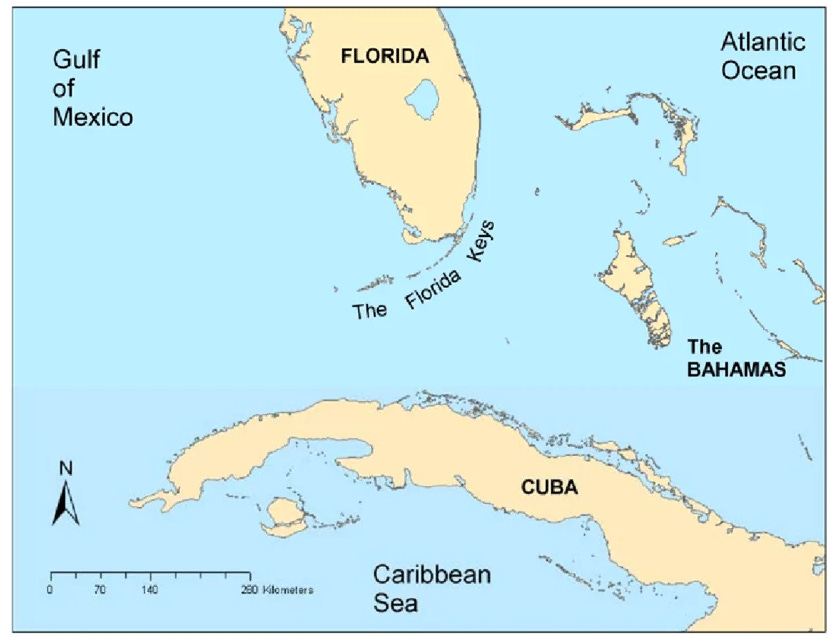
Cuba was never just about Cuba. It was about the danger of example. A socialist state in the same hemisphere, sitting 90 miles from Florida, refusing to disappear, is not dangerous because it is powerful. It is dangerous because it is visible. It creates comparison, and comparison is poison to any system that insists there is only one road
.
Once you put Cuba in regional context, the pattern gets even uglier. In this hemisphere, when governments tried land reform, moved left, or pursued economic independence outside Washington’s preferred order, the same script kept appearing. Pressure. Destabilization. Intervention. Then, after the damage was done, the result was presented as proof that the alternative had failed.
Guatemala in 1954. Chile in 1973. Nicaragua in the 1980s. Grenada in 1983. Different countries, same basic message: do not try to build outside U.S. control in the Americas unless you are prepared to be punished for it.
