

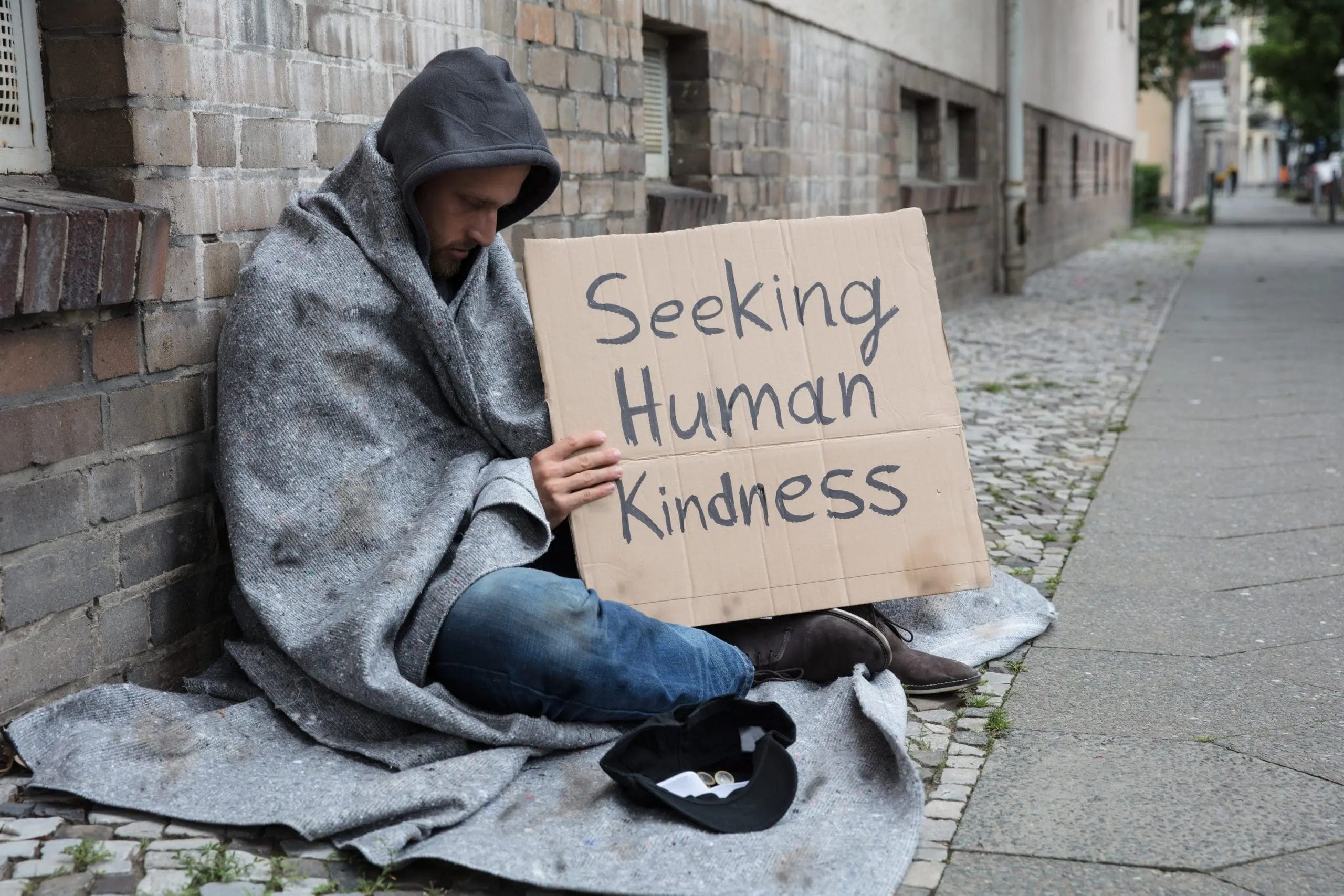
On June 9, Louisiana Governor Jeff Landry signed a law that makes sleeping outside a crime. Not stealing. Not fighting. Not trespassing on someone’s property. Sleeping. Up to 500 dollars and six months in a cell for the act of having nowhere to go.
They named it the Streets to Success Act. The sponsor, Representative Debbie Villio, said the goal was helping people, not jailing them. So the law also creates something called a Homelessness Court, where a judge can route you into a 12-month treatment program instead of prison.
Here is the part nobody put in the headline. Those courts are optional. Local governments decide whether to build them. The designated camping areas are optional too.
The crime is not optional. It took effect statewide the moment the governor signed.
And the treatment is not free. You pay for it. If you cannot pay, you work it off, unpaid.
A judge is allowed to waive the cost. Allowed. Not required.
Follow the chain
Start where it actually starts. You cannot make rent. Nobody takes you in. You end up on the street, because the street is what is left when the money runs out. Sleeping on the street is now a crime. So the police come. So a court takes you. So the court hands you a bill for your own treatment, which you cannot pay, because not being able to pay is the entire reason you were out there. So the state takes your labor instead.
That was never really a bill. It was a way of taking your labor and calling it a debt.
Call that what it is. A person too poor to pay is ordered to work and paid nothing for it. That is slave labor. Not a metaphor for slave labor, not a slippery slope toward it. Slave labor with paperwork.
All the state needed was a crime to hang it on. It just wrote one, and the crime is being poor outdoors.
What is the work? The law does not say.
So when a Louisiana judge tells a broke man he will work off what he owes, do not picture a soup kitchen. Picture a ditch in August. Picture roadside cleanup on a highway shoulder with cars going by at 70. Picture no wage, no lawyer, and nobody keeping count of who came back.
The statute does not promise any of that. I am telling you what I expect from a state that just built itself a fresh supply of people who cannot say no.
Dangerous work goes to whoever is not allowed to refuse it. It always has.
Then ask the question the legislature will not. What happens to someone run through arrest, a cell, unpaid work, and a criminal record that follows them onto every rental application for the rest of their life? Housing advocates in Louisiana said it directly when the bill was moving: this law blocks the people it catches from ever getting housing again. They get sicker, poorer, and harder to house every single year.
You do not need a plan to get rid of poor people. You just need a process that grinds them down and never stops running.
Who actually pays
For people living on the street, the word being sold to you is “choice.” You can choose treatment. But when the alternative is a cell, that is not a choice. That is a plea deal. Coercion does not stop being coercion because somebody put a social worker in the room.
For working people across Louisiana, one of the poorest states in the country, your money now funds cops, court dockets, jail beds, and supervision contracts instead of housing. Nobody in that legislature ever showed you the bill. The fiscal analysis gave no cost estimate at all. They built an entire criminal apparatus and did not even pretend to price it.
For everyone else, look at what just got established. The state did not criminalize an action. It criminalized a condition. Once a legislature learns it can arrest people for a status instead of a behavior, that category is expandable.
This is not Louisiana being uniquely cruel
The Supreme Court made it legal in June 2024, in the Grants Pass case, ruling that cities can punish people for sleeping outside even when there is nowhere else to sleep. In the two years since, the National Homelessness Law Center counts more than 350 cities and 14 states that have moved to criminalize homelessness. Gavin Newsom, a Democrat, publicly backed that ruling and pushed sweeps in his own state.
The template did not come from either party. It came from the Cicero Institute, a think tank founded by Joe Lonsdale, the billionaire Palantir co-founder. Its model legislation has been copied into statehouse after statehouse, and its stated position is that money should be pulled away from permanent housing.
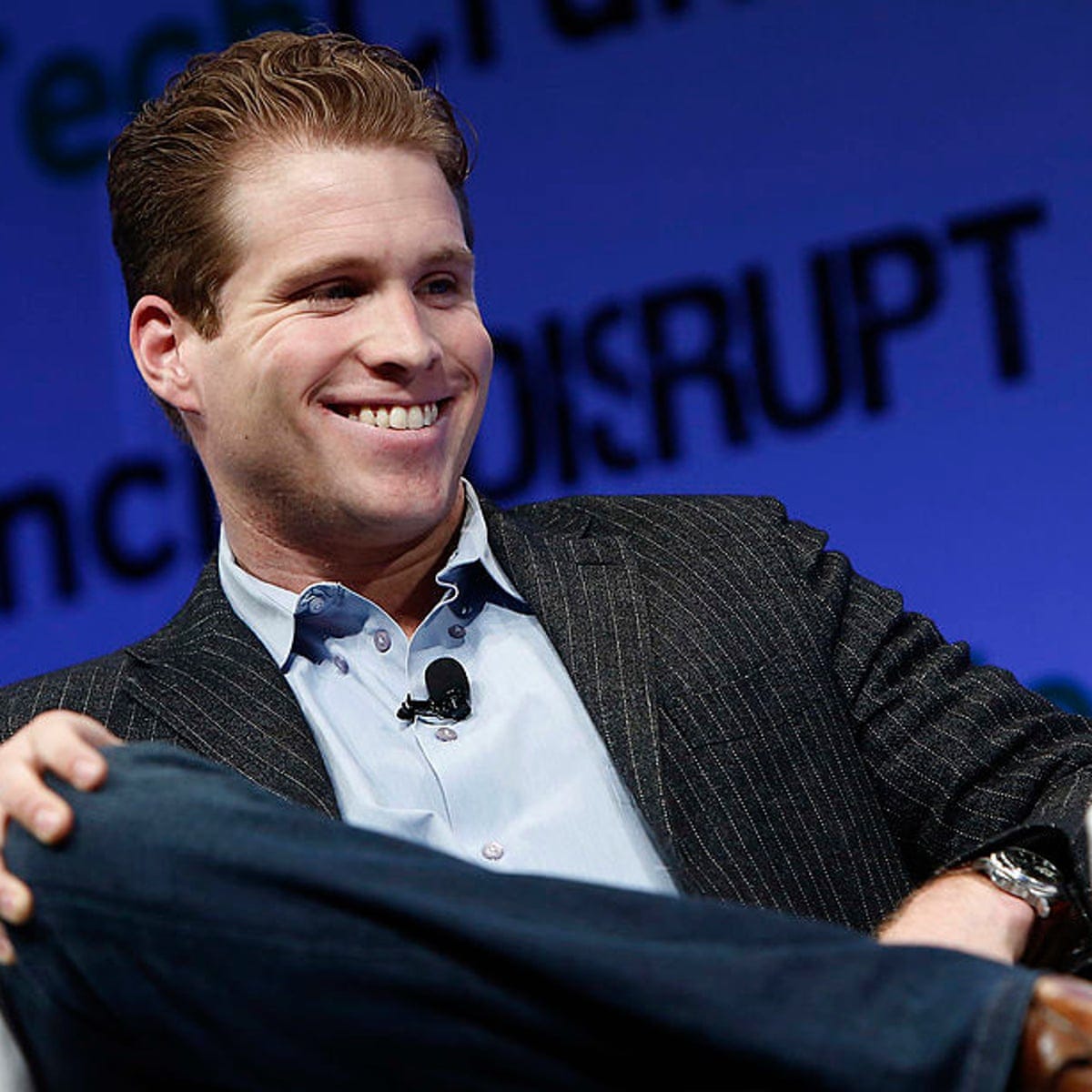
So the man who built surveillance software for the government also writes the laws deciding what happens to people who cannot make rent. He is not a Republican problem or a Democrat problem. He is a class problem.
They know housing ends homelessness. They know the research is not close. They know arrests do not produce apartments. And they are doing it anyway, because the goal was never to solve it.
What comes next
It is already moving. The Trump administration rewrote federal homelessness funding rules and cited Grants Pass to push communities toward criminalization. Advocates say the change threatens to push at least 97,000 people back onto the street. More states will copy Louisiana, and every one of them will call it help.
A country that cannot house its people has two options. Build housing, or build cages.
You already know which one it picked.
To prepare for the coming economic crisis, Louisiana and other states are reviving the Black Codes, used to re-establish governmental and white supremacist control over free black people after Reconstruction. The states passed purposely vague laws against vagrancy, petty theft, and other minor infractions to force blacks into farm contracts, apprenticeships for children, chain gang labor, and prison work camps. The Black Codes were enforced by the white elite in towns and counties—mayor, sheriff, judges, businessmen in the White Citizens Council, and Ku Klux Klan terrorist organization. These local dictatorships were opaque and corrupt, impacting poor whites and creating a culture of legal impunity for the white elite. The Civil Rights and Black Liberation Movements created a Black political class and middle class in the South, voting rights, and integration of public facilities, but the class and race hierarchy remained intact. Both Federal and State governments are preparing for economic and social crisis by re-establishing unconstitutional and effectively lawless instruments of repression, this time directed at all protesters, dissidents, discontents, and potential resisters.
This makes me physically ill. Why is the response always consequences for the poor and unlucky while we watch filthy rich, powerful scumbags get away with terrible crimes of self indulgence. The inequity is mind boggling. Where is our CONSCIENCE? It’s not a crime to be poor or unlucky but we have made it one. It IS a crime to rape and abuse children , and our government looks away. God forgive us